Cheese begins with a simple, wholesome ingredient: milk. Milk and cheese provide many essential nutrients, including high-quality protein, calcium, phosphorus, and B vitamins. Being a lifelong fan of cheese, I recently decided I needed to learn more about the art of cheesemaking. So, I purchased a simple cheesemaking kit online, purchased a gallon of whole milk, and gave it a good-old-fashioned try.
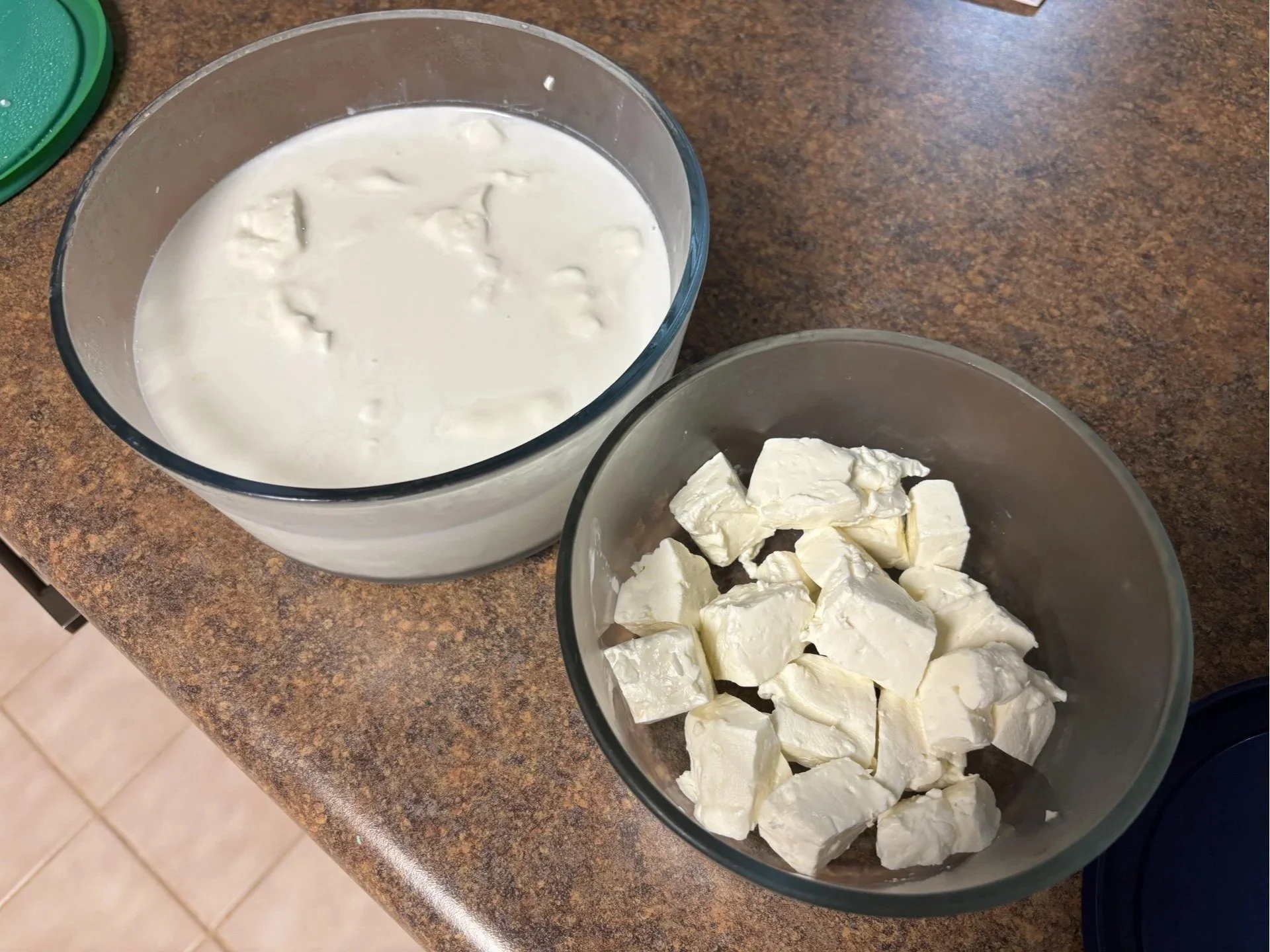
Although cheesemaking may seem complicated, the basic process is easy to understand. First, milk is heated and combined with helpful bacterial cultures, which begin to develop the cheese’s flavor and texture. Next, an enzyme called rennet is often added to help the milk form soft curds. In my pursuit of creating my own feta cheese, both rennet and a bacterial culture came into play.
The curds are then cut into small pieces, allowing the liquid whey to separate. Cheesemakers drain the whey, collect the curds, and press or shape them into cheese. Some cheeses are ready to enjoy fresh, while others are salted and aged for days, weeks, months, or even years to create richer flavors and firmer textures. I chose feta cheese because it wouldn’t be done and edible in a day – allowing me to meditate on and learn more about the process. The feta I crafted took about 11 days total. A day or two of hands-on work, while the remaining time simply required patience and a refrigerator.
From a glass of milk to a carefully aged wheel, dairy foods reflect both nutrition and craftsmanship. Every step of cheesemaking—from the farm itself to culturing the milk to aging the finished product—helps create the wide variety of flavors, textures, and traditions that make cheese such a beloved food practically everywhere! When I personally think back to some of my favorite food moments from childhood to now, oftentimes cheeses have played a role in the most excellent of food memories.
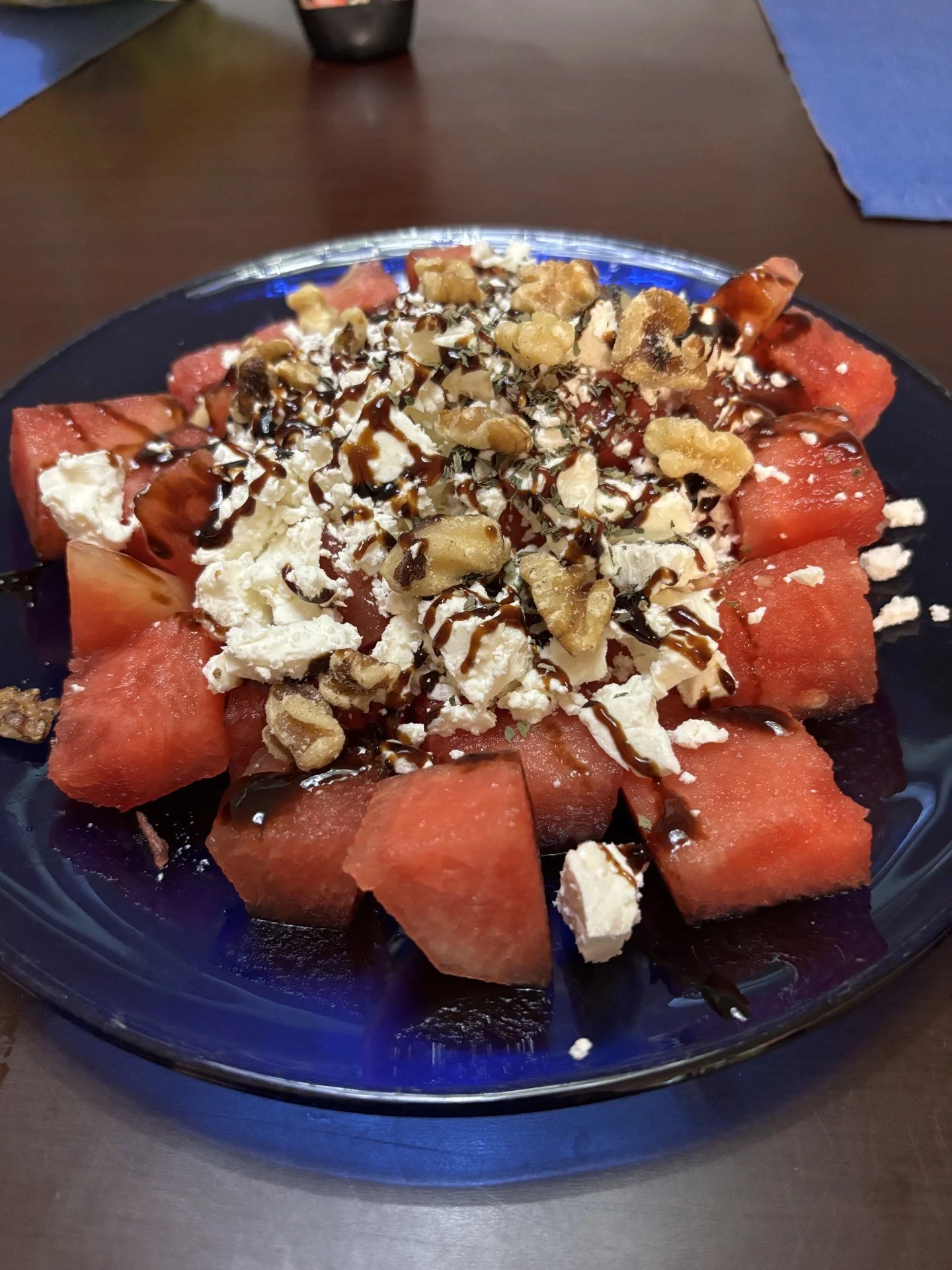
The feta I crafted was pretty tasty…maybe the best feta I’ve ever had! I enjoyed it simply the way it was as a great snacking cheese. My wife and I also threw it on top of some cut watermelon and added walnuts, dried basil, and a balsamic vinaigrette on top for a refreshing and nutritious treat. Feta, like most cheeses, contains about 8 essential nutrients – things we need, like protein, calcium, B vitamins, Vitamin A, and phosphorus. As for it being the best I’ve ever had…could it be the work I had put into it? Or the love that made the difference? Hard to say for sure…it didn’t stick around for long!
Written By Will McWhirter, The Dairy Alliance
Related Posts