Whole Milk vs. Reduced-Fat Milk: What’s the Difference?
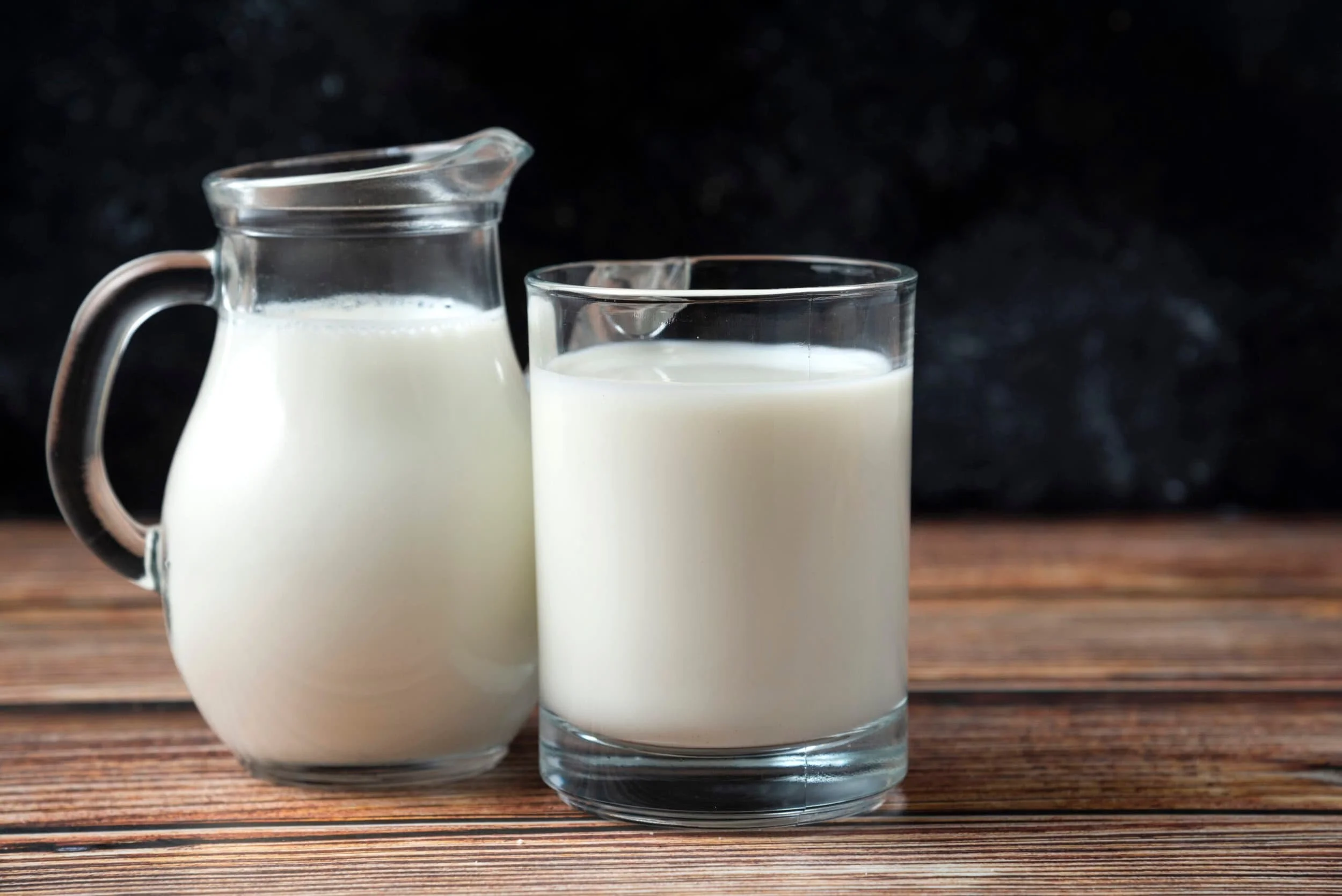
Both whole and reduced-fat milk deliver the same high-quality protein your body can use.
The main difference is texture and richness, not nutrients.
Choosing milk comes down to taste, how you use it, and what works for your routine.
Take a Look at Your Dairy Milk Options
They have slightly different labels and, when you really focus, slightly different numbers. There are even different assumptions about who should be choosing what. That doesn’t mean you understand why they are different, just that they somehow are.
But in reality, they have far more in common than they have differences.
If you’ve ever wondered what actually sets real dairy milk, whole milk, and reduced-fat options apart without wanting to decode a nutrition label on the spot, you’re in the right place. It all comes down to milkfat, and once you understand that piece, everything else makes a lot more sense.
First, regardless of what you choose, all real dairy milk fuels performance with natural, high-quality protein to help build stronger muscles. It’s real nutrition for real strength. Milk, whether whole or reduced-fat, is a simple, delicious, and affordable source of complete protein with 9 essential amino acids your body needs to:
Build and maintain lean muscle
Stay energized and support endurance throughout the day
Recover after physical activity
Help you feel full and maintain a healthy weight
Whether you’re an athlete or just aiming to feel your best, real dairy milk’s high-quality protein supports your active lifestyle from the gym to the garden to the grocery run. Which brings us back to those labels you see during that trip to the store.
Why are Labels So Confusing?
When you browse your milk options, whole milk, 2%, 1%, it can feel like you need a PhD to figure out which one to pick. No matter which option you choose, you’re getting a nutrient-rich drink with high-quality protein.
What is Whole Milk?
Whole milk is the classic, creamy version you probably grew up with. Its slightly higher milkfat gives it that rich, smooth texture that makes it a favorite for coffee, cooking, or enjoying straight from the glass.
While it’s richer than reduced-fat options, whole milk delivers the same high-quality protein and essential nutrients as other milkfat options. The difference you notice is mostly in how it tastes and feels on your tongue.
What is Reduced-Fat Milk?
Reduced-fat milk, including 2% and 1%, has a lighter feel and fewer calories from fat, but don’t let that make you think it’s “less nutritious.” It still offers the same 8 grams of high-quality protein per cup as whole milk.
Many people enjoy reduced-fat milk in cereal, smoothies, or just as an everyday drink. It’s all about the texture you prefer.
What’s the difference in milk fats?
The primary difference between whole and reduced-fat milk is milkfat content, which affects texture and richness. Whole milk is creamier and heavier on the tongue, while reduced-fat milk is lighter and more subtle.
Beyond that, real milk’s nutrients are the same across your milkfat options, so there is no “wrong” choice when you choose dairy.
Which Dairy Milk Should I Choose?
Whatever milkfat you choose, it probably comes down to what fits your taste and your routine:
Do you prefer the classic rich, creamy sip of milk? Choose whole milk.
Do you want something lighter in texture? Try reduced-fat milk.
Do you need milk that works in coffee, lattes, or smoothies? Either will do perfectly!
Whatever you choose, you’re getting high-quality protein (complete protein) in every cup, helping your body feel satisfied and fueled.
Real dairy milk adds texture, flavor, and high-quality protein, transforming a simple drink or recipe into something satisfying.
FAQs on Whole Milk vs. Reduced-Fat Milk
Is whole milk healthier than reduced-fat milk?
Both deliver the same nutrients, including high-quality protein. Health comes from your overall pattern, not the milkfat choice alone.
Can I use reduced-fat milk in recipes that call for whole milk?
Yes! It may be slightly lighter, but it still works in smoothies, coffee, and most cooking applications.
Which milk has more protein?
Both options contain 8 grams per cup, so either choice gives you that same high-quality protein your body can use.
Related Posts