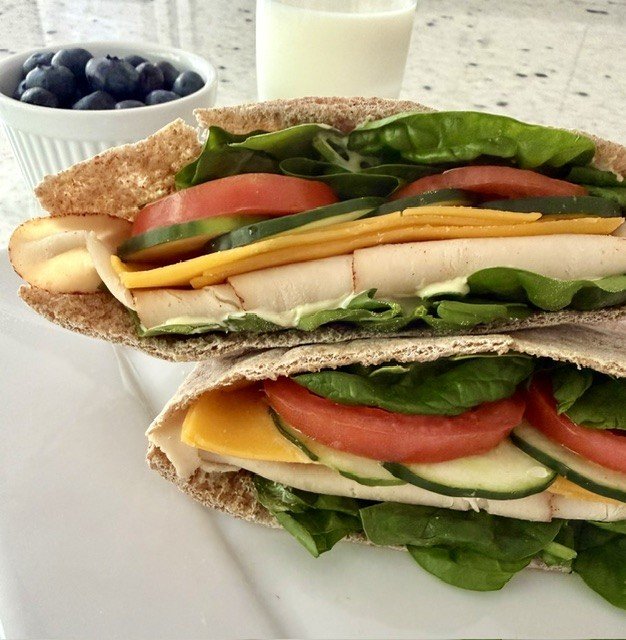
When it comes to building balanced, affordable, and family-friendly meals, dairy foods like cheese can do a lot of the heavy lifting. Moreover, Greek yogurt benefits your health and your taste buds. Both of these dairy products add high-quality protein, essential nutrients, and rich flavor, making it easier to put nutritious meals on the table without complicated ingredients.
Key Takeaways:
Dairy cheese and Greek yogurt add rich flavor and high-quality protein, helping turn simple meals and snacks into more satisfying, balanced options.
Easy swaps like using Greek yogurt in place of sour cream or mayo and sprinkling cheese on eggs, salads, or grain bowls boost both taste and nutrition without much extra prep.
Cheese sticks, yogurt dips, and Greek yogurt parfaits make it simple to add more dairy protein to family-friendly snacks, lunchboxes, and quick weeknight meals.
Why Add Cheese to Everyday Meals?
Cheese is a nutrient-dense dairy food that provides high-quality protein, calcium for bone health, B vitamins, phosphorus, and zinc, and satisfying flavor and texture.
The exact nutrition will vary depending on the type of cheese, but here’s a helpful comparison:
1 ounce of hard cheese (like cheddar) → about 8 grams of protein
½ cup of soft cheese (like cottage cheese) → about 14 grams of protein
That protein boost helps support muscle health, keeps you fuller longer, and makes meals more satisfying.
Cheese adds big flavor, so you can often use less salt while still keeping that comfort-food taste your family loves. It also melts easily into recipes, making it perfect for quick weeknight meals.
Try adding cheese to:
A quick baked casserole
One-skillet meals
Salads
Sandwiches and wraps
These small additions can turn simple ingredients into a balanced meal with protein, calcium, and great taste.
Greek Yogurt Benefits All Recipes
Greek yogurt is another versatile dairy food that makes healthy eating easier. Because it is strained, it contains more protein than regular yogurt and has a thick, creamy texture that works in both sweet and savory recipes.
Greek yogurt provides lots of nutrition like cheese and also contains live and active cultures for gut health. It’s also lower in lactose, which can make it easier to tolerate for some people with lactose sensitivity.
Savory Greek Yogurt Topping (My Go-To Recipe)
One of my favorite ways to use Greek yogurt is as a creamy, high-protein topping:
Ingredients:
Plain Greek yogurt
Lemon juice
Garlic powder
Black pepper
This simple mixture works beautifully on:
Roasted vegetables
Rice or grain bowls
Salads
Baked potatoes
Tacos and fajitas
It’s a nutritious swap for higher-fat sauces and dressings while still delivering the flavor and texture people love with more protein.
Common Questions About How Dairy Foods Boost Flavor and Protein
Q: How do dairy cheese and Greek yogurt boost protein in everyday meals?
A: Both provide high-quality dairy protein, so adding a handful of cheese or a scoop of Greek yogurt to meals and snacks increases protein that helps with fullness, muscle support, and energy.
Q: What are some easy ways to cook with Greek yogurt instead of heavier ingredients?
A: You can use Greek yogurt in place of sour cream on tacos and potatoes, stir it into sauces or casseroles, and mix it into dressings and dips for a creamy texture with more protein.
Q: How can I add cheese and Greek yogurt to snacks for kids and adults?
A: Try yogurt parfaits with fruit and granola, cheese and whole grain crackers, veggie sticks with yogurt-based dips, or mini pita pizzas topped with cheese for quick, flavorful snacks.
Whether you’re making a one-pan casserole, topping a grain bowl, or adding creaminess to vegetables, dairy such as Greek yogurt benefits balanced meals without adding extra steps.

Qula Madkin, MS, RD, CDCES, is a Registered Dietitian, Extension Instructor, and nutrition consultant who helps families build healthy, budget-friendly meals using accessible foods that support long-term wellness. She is a dynamic speaker, culinary nutrition educator, and the author of A to Z Coloring Book: Fruit Facts and Fun, a family-focused resource that makes nutrition engaging for children and caregivers.
Qula’s work focuses on translating evidence-based nutrition into practical, real-life strategies for communities, with an emphasis on chronic disease prevention, diabetes education, and culturally relevant meal planning. She has been featured in national publications including EatingWell, Shape Magazine, Healthy Family Project, and The Washington Post.
Related Posts