Building Kids' Bone Bank with Dairy Foods: A Moms' Role

Dairy foods make a mom’s life easier. Mother’s Day is right around the corner, and it’s time to celebrate Mom’s many roles from carpool queen to coach to counselor to chef. Is there anything a mom can’t do? Having a toddler myself, often my biggest mom challenge is convincing my two-year-old to eat healthy foods. To me, that task alone merits a Mother’s Day celebration!
As a registered dietitian, I know how important it is to start healthy habits early. Putting whole grains, dairy, lean protein, fruits, and vegetables on your child’s plate will help steer their preferences to healthy foods later in life. More importantly, the nutrients in these foods will benefit their growing bodies, especially bone health.
Key Takeaways
• Childhood is a critical time to build strong bones because most peak bone mass is developed before adulthood.
• Dairy foods like milk, cheese, and yogurt provide bone-supporting nutrients, including calcium, vitamin D, and protein.
• Adding dairy to balanced meals and snacks can help support kids’ bone health while making nutrient-rich foods more appealing for picky eaters.
Dairy Products Help Build and Maintain Bone Health
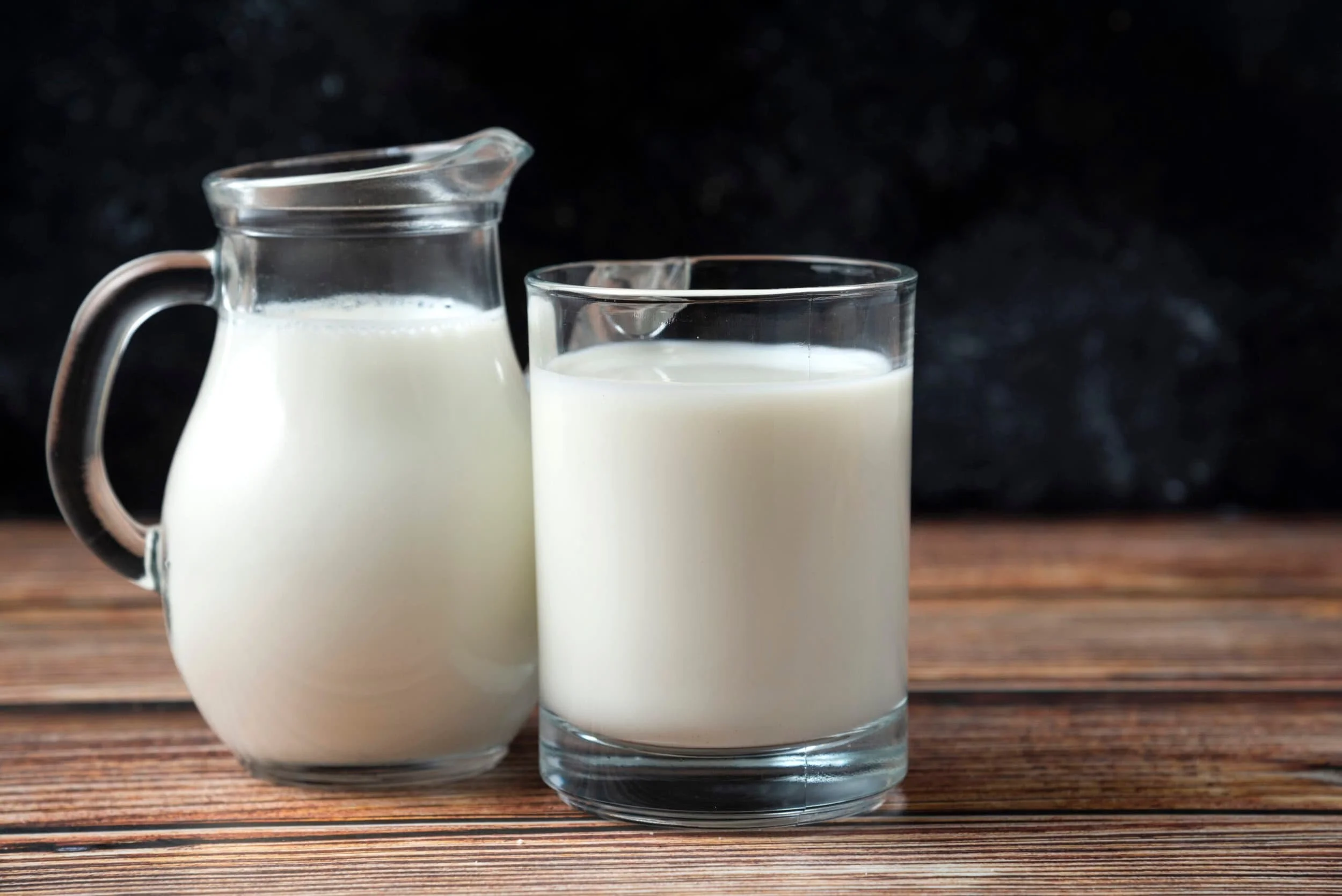
According to the NIH, osteoporosis has been called “a pediatric disease with geriatric consequences” because up to 90% of peak bone mass is acquired by age 18 in girls and age 20 in boys. Yet, according to a recent survey by The Dairy Alliance, only 50% of parents think that drinking cow’s milk regularly as a child will help fight osteoporosis later in life. This is simply not the case. Serving the health benefits of dairy with milk in your children’s meals is an easy and effective way to ensure they are getting the calcium, vitamin D, and protein they need to build strong bones and help prevent bone disease later in life.
Cheese is another easy, bone-building addition to your child’s meals, and according to a study in the Journal of Child Nutrition, when paired with fruits, vegetables, and whole grains, cheese may help kids eat more of these food groups. A double win for moms of picky eaters!
Try our new Cheesy Stuffed Meatball Cups paired with a glass of milk for an easy bone-boosting meal your kids will love. And don’t forget to relax and enjoy your Mother’s Day weekend. You deserve it, Mom!
Common Questions About The Benefits of Dairy Foods for Babies and Kids
Q: Why is whole milk important for a toddler's brain?
A: Whole cow milk gives extra dietary fat to a toddler that guides healthy growth and development during a stage when the brain is rapidly growing. Whole milk also provides protein, calcium, vitamin D, iodine, vitamin B12, and other essential nutrients that help support brain, bone, and overall development in early childhood.
Q: How does dairy help in a child's first 1000 days?
A: Dairy provides key nutrients tied to early brain development, growth, bones, and immune health, including protein, calcium, vitamin D, iodine, zinc, selenium, and vitamin B12. Dairy products can help fill key nutritional gaps during rapid growth as children build strong bones and transition into toddler eating patterns.
Q: What is the best full-fat cheese for a one-year-old?
A: For a one-year-old, good full-fat dairy cheese options include pasteurized mild cheddar, mozzarella, cottage cheese, cream cheese, or other soft, easy-to-chew cheeses. Serve small pieces or thin shreds to a one-year-old; avoid large chunks and high-sodium options.
Q: How much dairy does my one-year-old actually need?
A: A one-year-old typically needs about 1⅔ to 2 cups of dairy per day. Many pediatric dairy guidelines recommend around 16 to 24 ounces per day of cow’s milk. (Too much milk can crowd out iron-rich foods and other important nutrients.)
Q: When can I introduce dairy to my baby?
A: Usually, babies can start dairy foods like plain yogurt and cheese around 6 months. Cow’s milk should not be offered as a main drink until 12 months. After their first birthday, whole cow’s milk can become part of a balanced diet alongside solid foods.

Laura Marbury, MS, RDN, LD
Related Posts