Dairy Farmers Reduce, Reuse, and Repurpose on the Farm
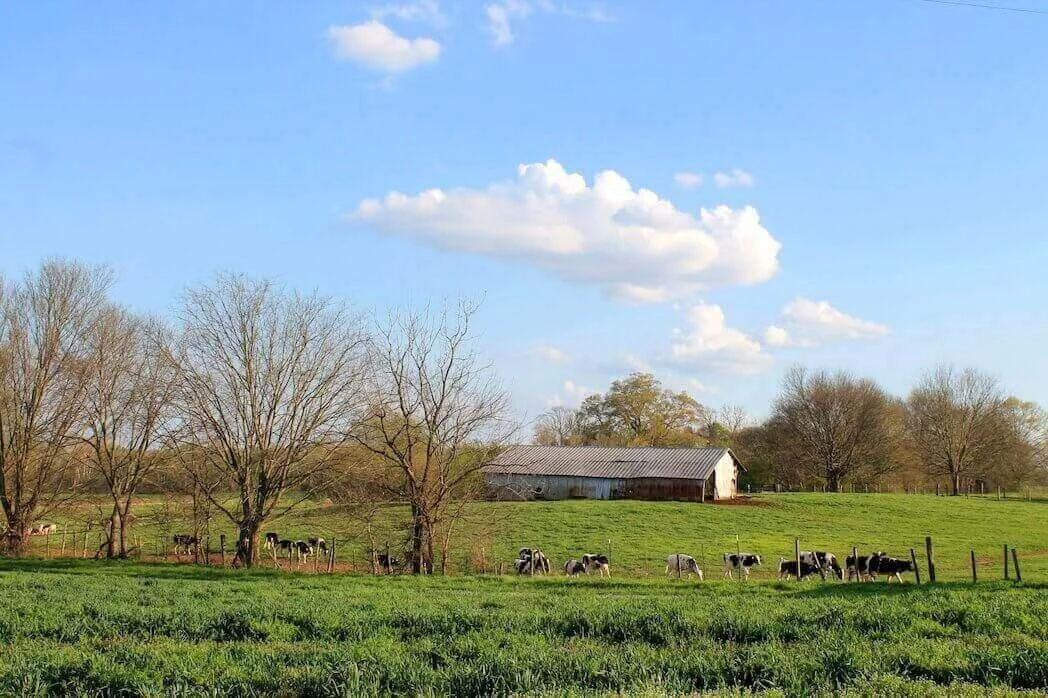
Dairy farmers across the Southeast find practical ways to stretch resources, cut waste, and make every resource count. From repurposing materials to rethinking everyday processes, these farmers are proving that sustainability doesn’t have to be flashy to be effective or to work. Here’s how four dairy farms are making smarter use of what they have, one thoughtful fix at a time.
Key Takeaways
Dairy farmers reduce waste by finding practical uses for materials that might otherwise be discarded, including sawdust, food byproducts, manure, water, and sand.
Many sustainability practices on dairy farms create a natural cycle: crops feed cows, cows produce manure, and manure helps nourish the soil for future crops.
Farms like Matthews Farms, Cowherd Dairy, Oakmulgee Dairy, and Hillcrest Farms show that everyday resourcefulness can support cow comfort, renewable energy, soil health, and long-term sustainability.
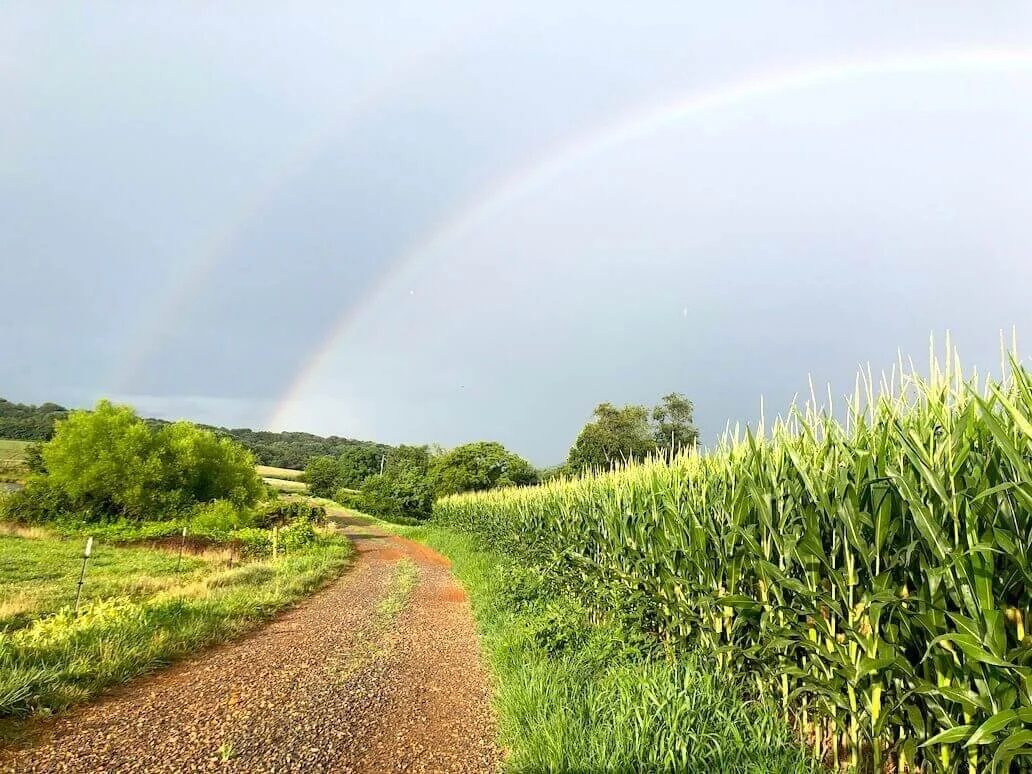
Matthews Farms in Rocky Mount, VA
On the Matthews family dairy farm, sawdust is used as bedding for their dairy cows. This repurposes a by-product of the lumber industry while improving cow comfort and manure management. When mixed with manure, sawdust adds carbon, supporting composting and enhancing soil health when applied to crop fields. By applying manure to crop fields, dairy farms reduce the need for commercial fertilizers while improving soil organic matter, water retention, and overall soil health. This nutrient recycling creates a natural cycle in which crops feed the cows, and manure nourishes the crops. These practices promote efficient resource use, reduce waste, and support long-term environmental sustainability on the farm.
Cowherd Dairy in Campbellsville, KY
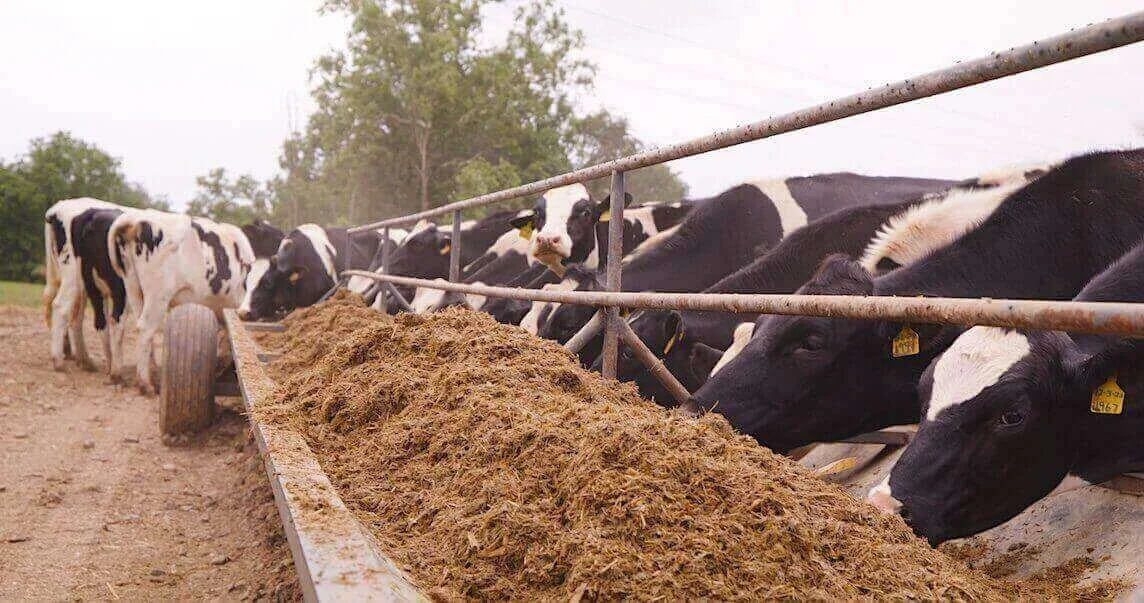
Located in Kentucky’s bourbon country, Cowherd Dairy is recycling in an interesting way. The farm receives a byproduct of the distilling process from a local bourbon distillery, which they use in their cows’ daily feed. Dairy cows can digest many byproducts from food manufacturing, which would otherwise be sent to landfills. Cows use these waste products to make nutritious milk that we can enjoy.
Oakmulgee Dairy in Amelia, VA
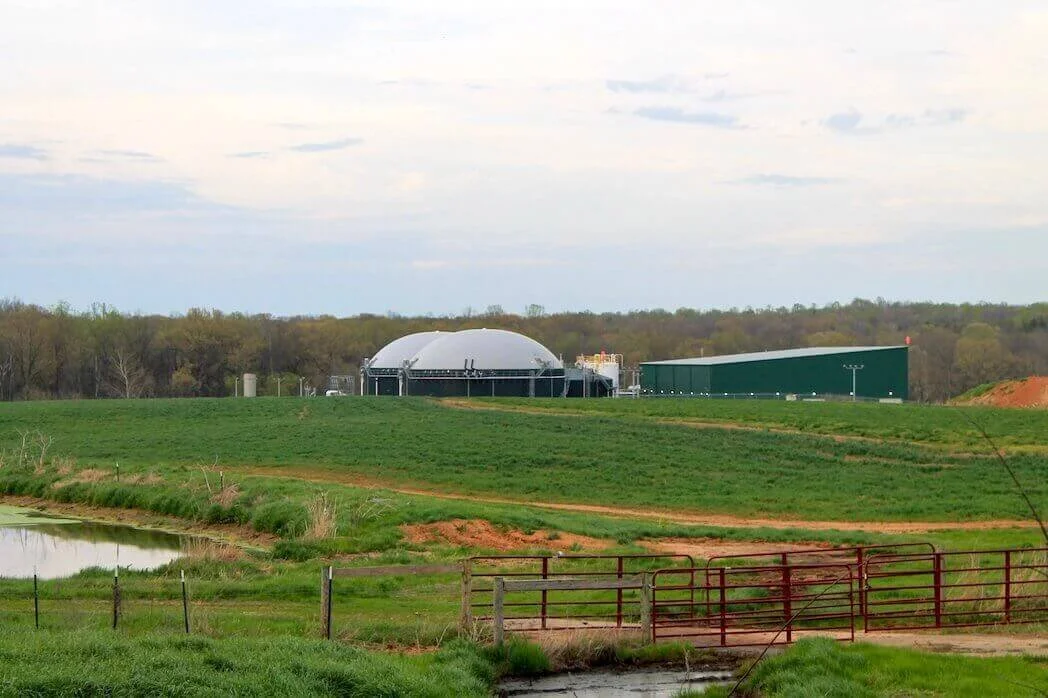
Oakmulgee Dairy recycles manure in an innovative way through an anaerobic co-digester. This system mixes manure from the dairy with food waste from the area and produces natural gas which is used to power local communities. Over 105,000 tons of food waste is diverted from landfills with this system. In addition to producing renewable energy, the co-digester also converts the raw materials into a digestate that can be spread on farm fields and replaces the need for commercial fertilizers.
Hillcrest Farms in Dearing, GA
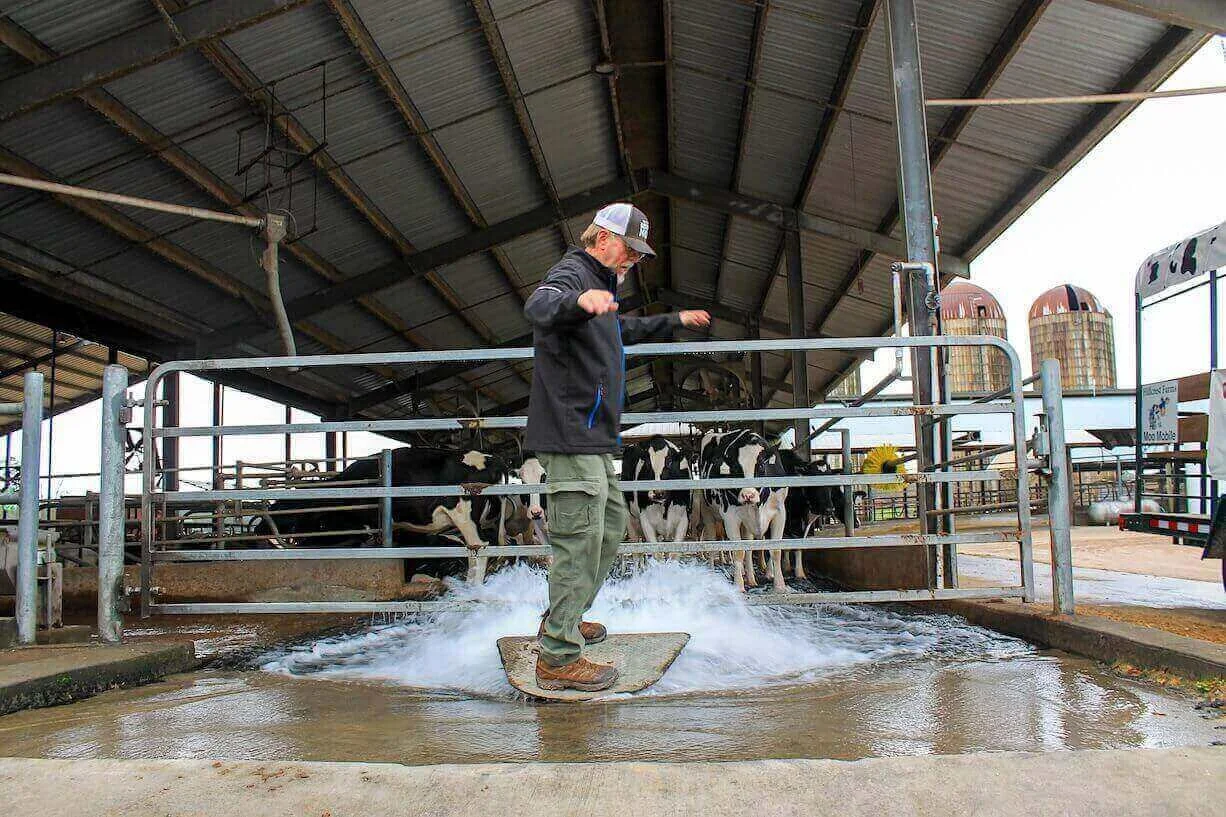
At Hillcrest Farms in Dearing, Georgia, sustainability is part of the daily routine, and nothing goes to waste if it can be used again.
On the Rodgers’ farm, water is carefully recycled up to four times. Water used to cool milk is recycled into fresh drinking water for the cows, then repurposed to flush and clean the barns, and later reused to fertilize crops, returning valuable nutrients to the land.
By reusing water and nutrients, Hillcrest Farms reduces waste, saves resources, and supports a more sustainable future, all while continuing to provide high-quality milk.
FAQs
Q: How do dairy farmers reduce waste on the farm?
A: Dairy farmers reduce waste by reusing water, repurposing bedding materials, recycling manure, and feeding cows safe byproducts from food production.
Q: Why is manure recycling important on dairy farms?
A: Manure recycling helps improve soil health, reduce the need for commercial fertilizers, and return valuable nutrients to crop fields.
Q: How can dairy cows help reduce food waste?
A: Dairy cows can digest certain food and beverage byproducts that might otherwise go to landfills and turn them into nutritious milk.
Q: What is an anaerobic co-digester?
A: An anaerobic co-digester is a system that combines manure and food waste to produce renewable energy and fertilizer for farm fields.
Q: How does reusing water help dairy farms become more sustainable?
A: Reusing water helps farms conserve resources, clean barns, provide drinking water, and return nutrients to the land through crop fertilization.
Related Posts