Every dairy farm looks a little different, but one priority remains the same: keeping cows healthy, comfortable and well cared for. Dairy farmers put careful thought into the housing they provide, creating spaces that give cows a comfortable place to rest, access to fresh food and water, and protection from changing weather conditions. From barn design to bedding and ventilation, meet the dairy farmers who are putting cow comfort at the center of their everyday care.
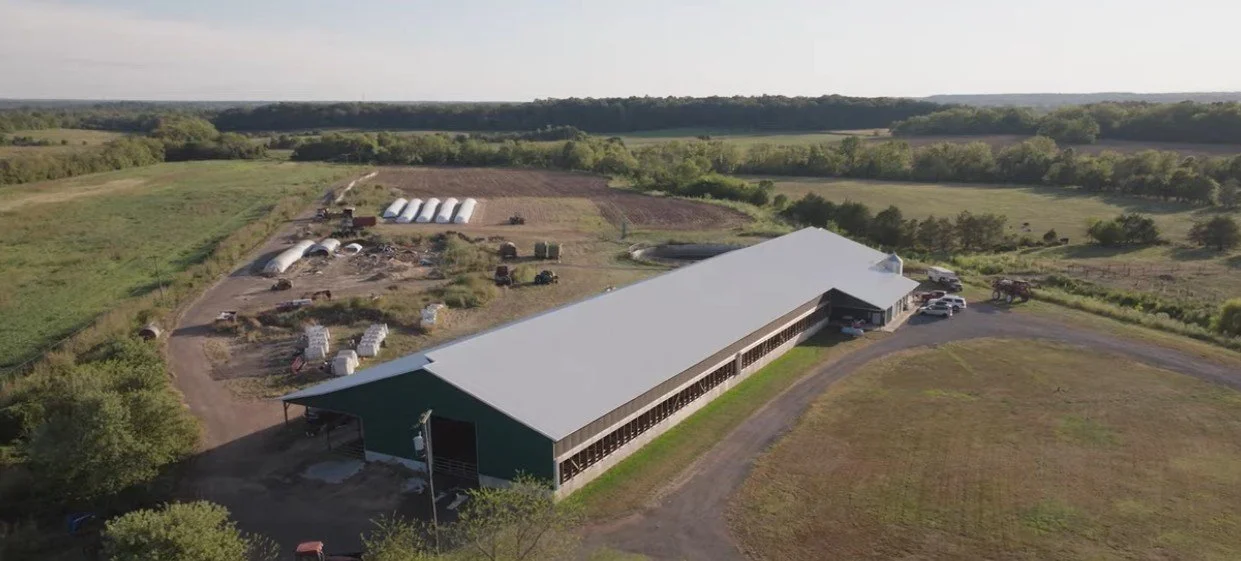
Nolandia Farm in Catlett, VA
The cows at Nolandia Farm live in a compost bedded pack barn. This barn provides cows with a large open area for resting that is bedded with wood shavings. The barn features open sides and overhead fans which keep cows cool but also dries out the bedding. The bedding is stirred daily to incorporate oxygen into the pack, so the bedding and manure will compost. Additional shavings are added as needed. Nolandia Farm built a pack barn for cow comfort which has led to healthier cows that produce more milk. Once a year the composted bedding is removed and used as fertilizer on crop fields.
Arrowhead Dairy in Waynesboro, GA
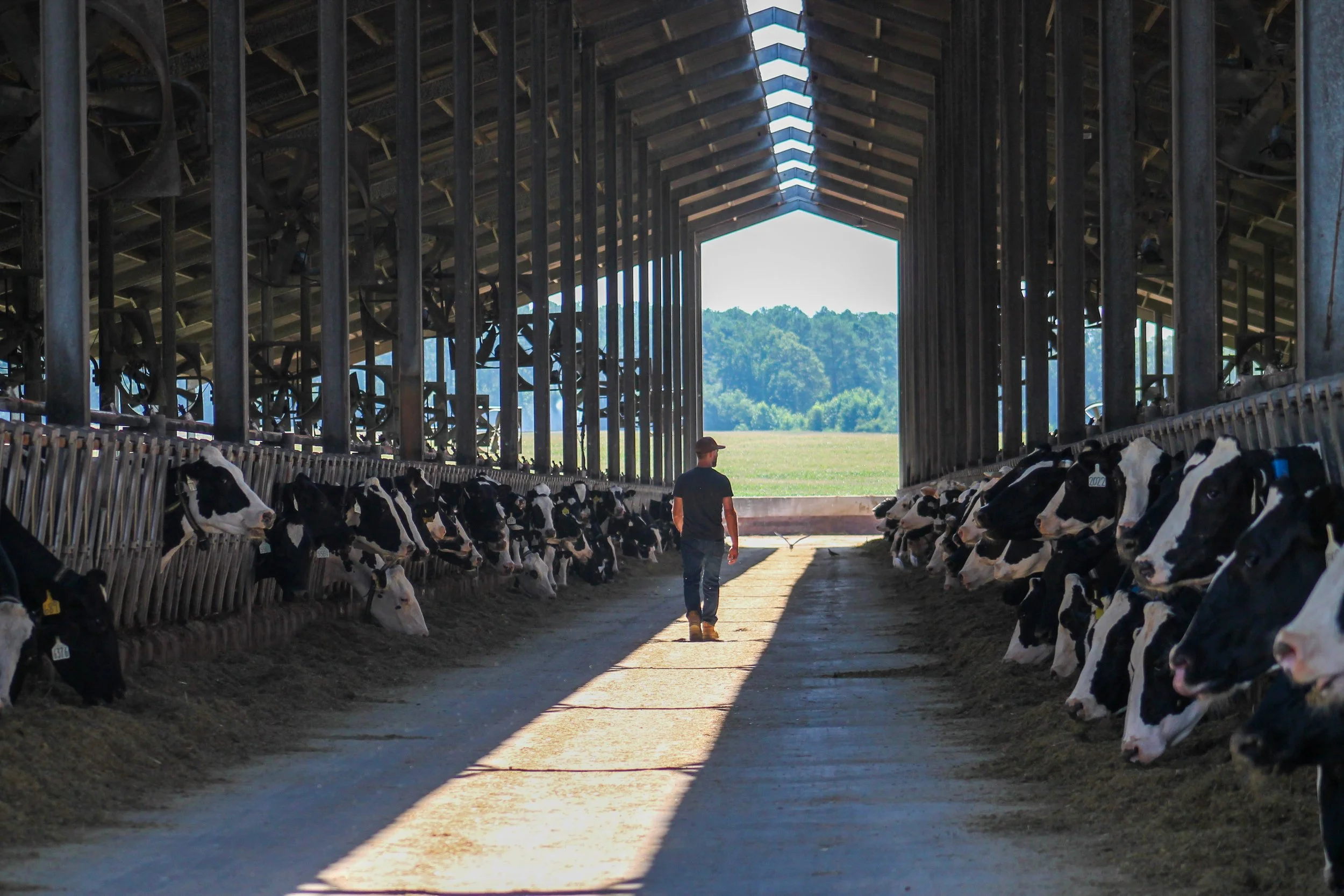
At Arrowhead Dairy, keeping cows cool and comfortable through Georgia's changing temperatures is top priority. That's why the cows are housed in a freestall barn with soft sand bedding, fans, sprinklers, and 24/7 access to feed and clean water.
These important systems are carefully managed to conserve resources while keeping cows comfortable. The barn's fans operate in phases as temperatures rise, with half turning on at 65°F and the rest at 70°F, helping conserve energy while maintaining a comfortable environment. The sprinkler system is also carefully managed to reduce water use, running once every 10 minutes at 60°F and increasing once every 4 minutes at 70°F as temperatures rise.
Why make this investment? For the Arrowhead Dairy, it's about balancing cow comfort, efficiency, and sustainability. By creating the best possible environment for their cows while thoughtfully managing water and energy use, they're caring for both their animals and the future of their farm.
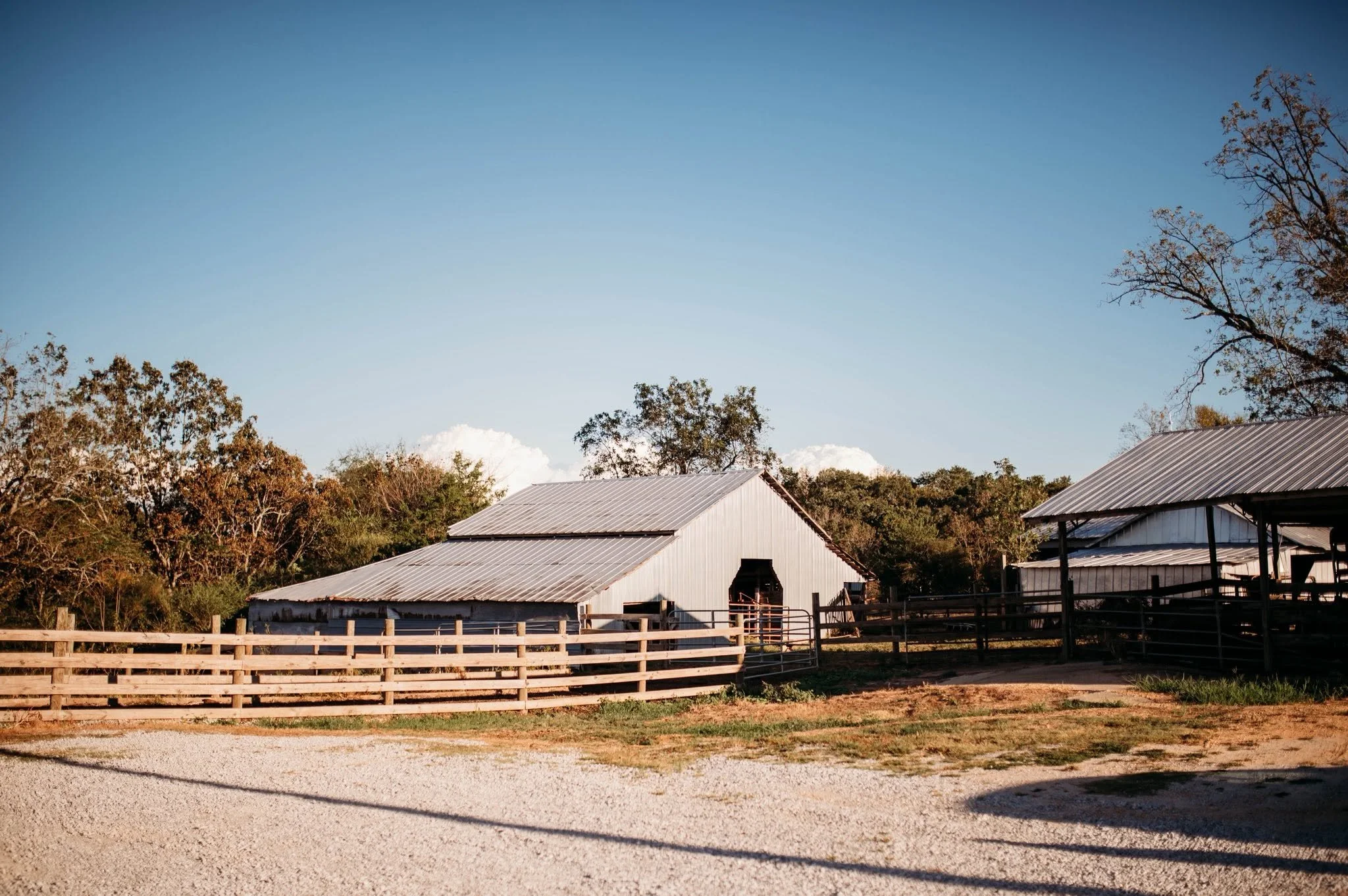
Circle J Dairy in Gordo, AL
At Circle J Dairy, caring for calves starts from day one. Newborn calves are housed in their own calf barn, where Jessica and her family can closely monitor their health, ensure they're getting the nutrients they need, and protect them from extreme temperatures during the first few weeks of life.
The calf barn itself is a special part of the farm's history. Originally built by Jessica's great-grandfather as a hen house for laying hens, it was later converted into a calf barn by her grandfather in the 1950s. Today, it continues to serve the next generation of animals on the family farm.
As calves grow and begin eating solid food, they move to a group pen where they have more room to socialize with other calves. Once they're old enough, they'll transition to pasture.
For generations, Circle J Dairy has combined family tradition with quality animal care, giving their calves a healthy start and building the foundation for the future of the farm.
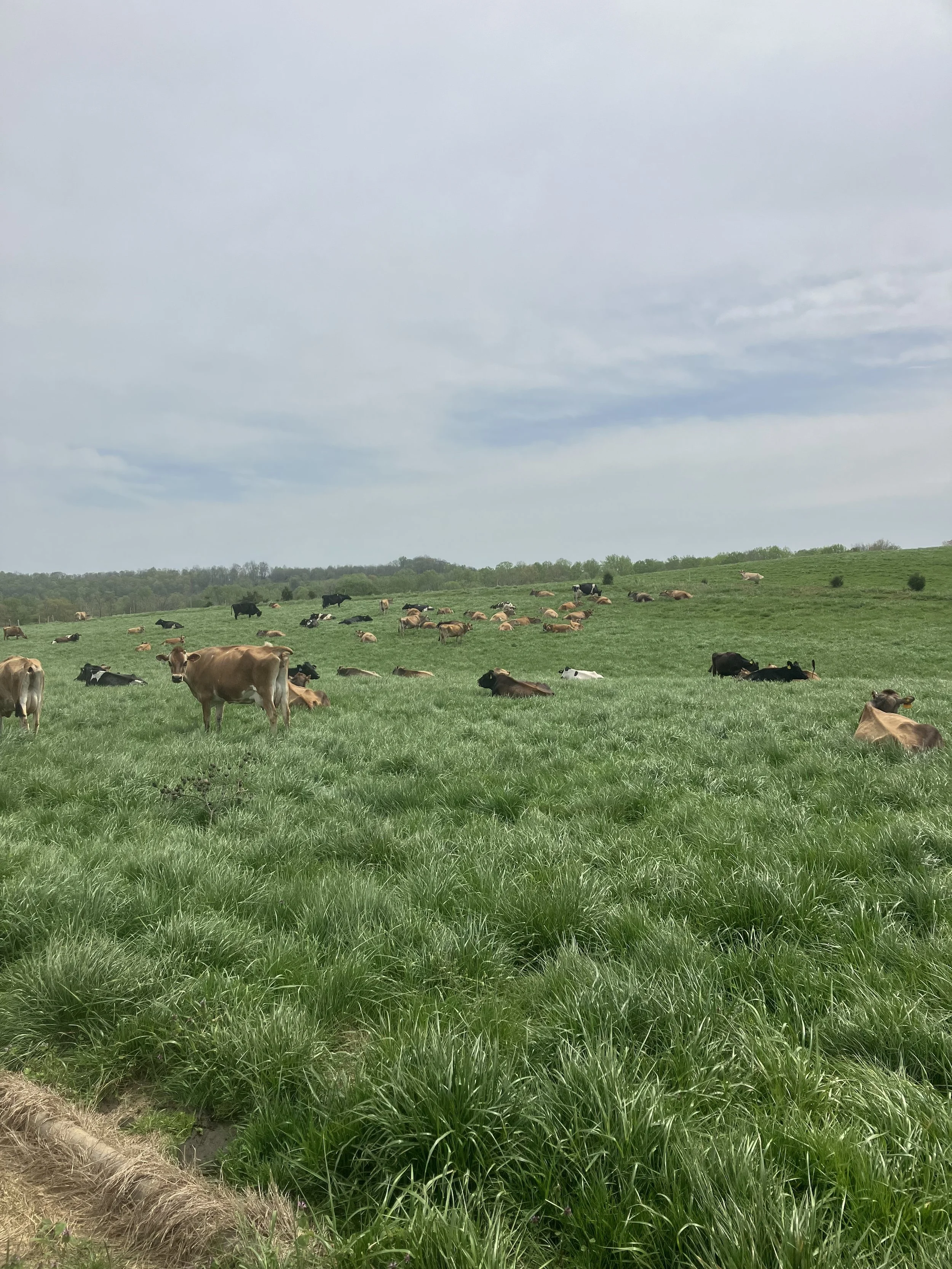
Lone Cedar Dairy in Nancy, KY
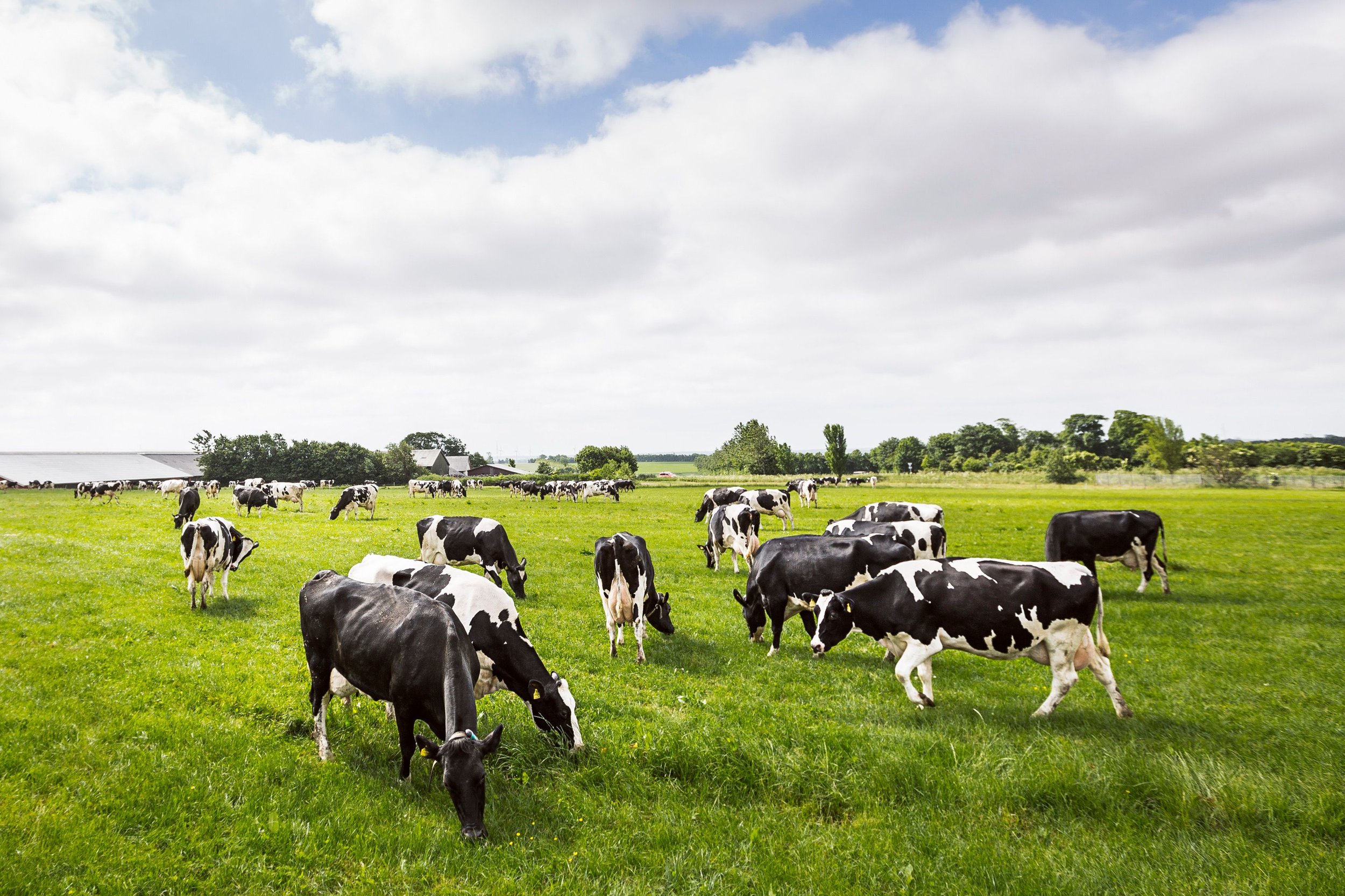
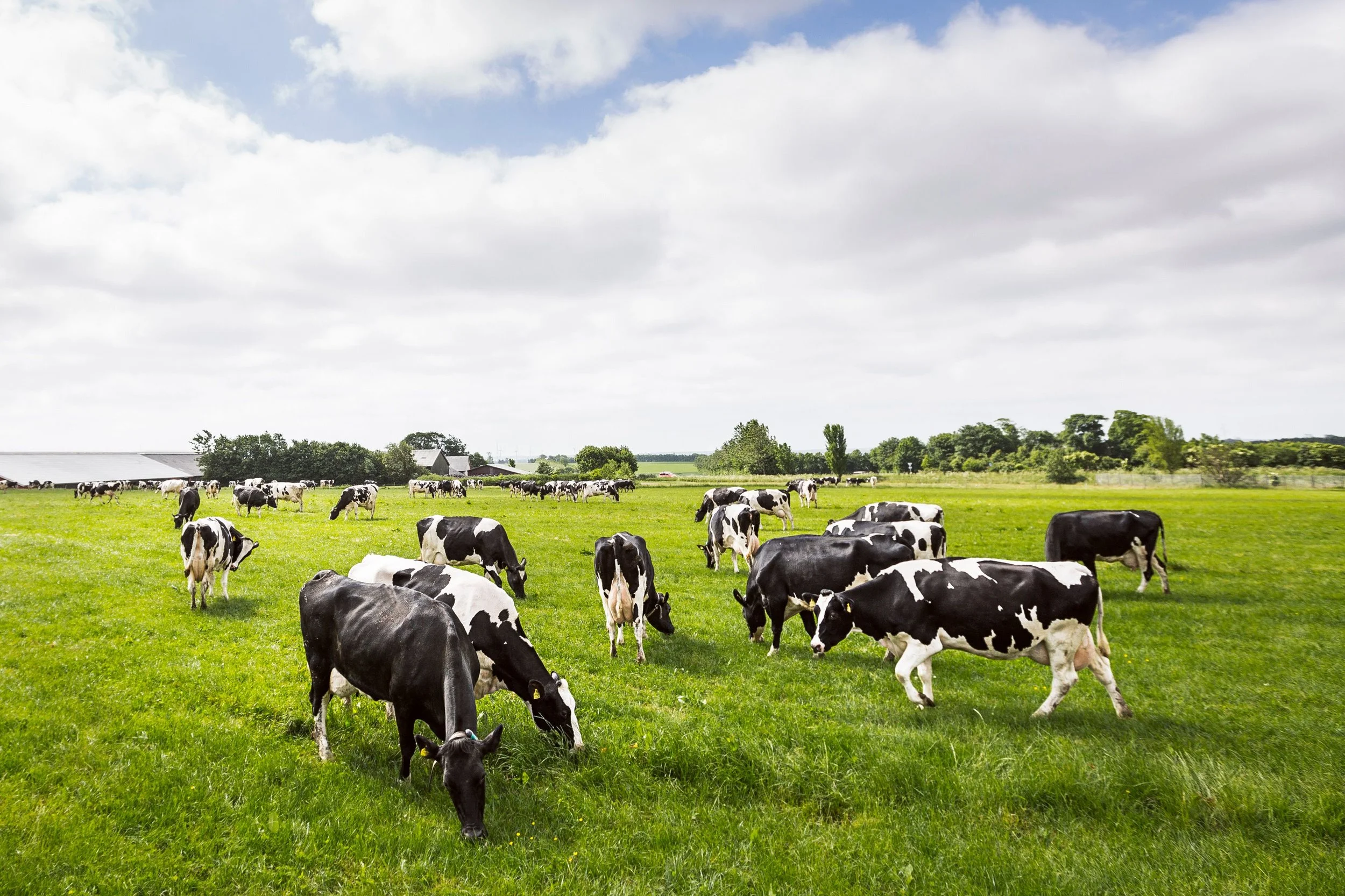
Lone Cedar Dairy chose to be a pasture-based farm because of the benefits for the farmer, cows, and land. Cows on a pasture-based dairy spend most of their time on managed grassland that allows them to eat high-quality forages in an environment that is comfortable for them. The pastures at Lone Cedar are land that wouldn't be able to be used for crops due to the potential for runoff and erosion so this is a way to keep land productive. A pasture system also builds organic matter into the soil and can reduce the farm's carbon footprint. Since cattle spend most of the time outdoors, there is less labor associated with bedding stalls, cleaning barns and feeding cows since they are harvesting grass themselves.
Related Posts