Does a Milk Jug Really Tell Me When Milk Is Spoiled?
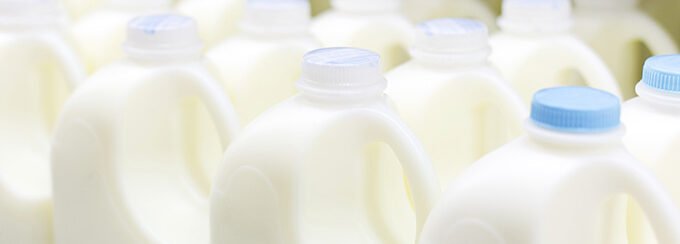
Does a milk jug tell me when milk is spoiled? What a great question. A seemingly educational post made its rounds on social media earlier this year claiming that the design of the milk jug signals when milk is fresh and when it is spoiled. According to the post, the circle on the milk pops out when it’s old. Learn how to tell milk is bad by the jug.
Does a Milk Jug Tell When Milk is Spoiled?
The explanation is that gas produced by the bacteria in milk builds up in the space, eventually forcing the indent to pop out once the milk is too far gone to drink.
Though we at The Dairy Alliance don’t consume milk slow enough to worry about spoilage, that sounds like a cool invention. It’s always a sad moment when you discover milk has gone bad. Maybe you were stretching it until your next grocery run for a favorite recipe or the weekend bowl of cereal, just a little longer than you would normally wait to enjoy delicious milk. Or maybe you completely forgot about that other half-empty jug. Your hopes are finally dashed when the moment comes for whatever you have been looking forward to and you twist off the cap. For those that don’t have another gallon to move on to, it’s a moment you wish you saw coming.
And while such an invention would be helpful in a world of confusing dates on food packaging, the indent wouldn’t pop out because the milk's age is just a little too old.

So why does a gallon of milk have a circular indent on two sides of the container? It isn’t just a style decision. The indent helps control the amount of milk filled and strengthens the jug enough to hold the nutritious milk inside.
They also (slightly) change size according to the surrounding temperature. The jugs are made slightly larger than needed in case of shrinkage from the summer heat, which would cause the milk to overflow. Other times, they are made slightly smaller in colder months so they don’t look underfilled. The indentations make that change easier, all while bringing consumers the same amount of milk all year long.
And though a milk jug doesn’t tell you when to toss the last of your milk, there are ways to slow down spoilage and put off the sniff test. One way to slow down spoilage is to keep the milk cold for as long as possible. Grab a milk jug towards the end of your grocery run. Once home, place the jug in the back of the refrigerator, not the convenient shelf in the door. The back of the fridge is colder and isn’t as impacted as food in the front when the door is opened for those midnight snack considerations.
And the easiest way to keep milk from spoiling? Don’t keep it just for the baking. Enjoy your three servings of milk a day so you never have to ask yourself, "Does a milk jug tell when milk is spoiled?"
What About Other Packaging?
There’s a whole world of packaging decisions behind your morning splash of milk. Whether it arrives in a plastic jug on the grocery aisle, a cardboard carton in the cafeteria, or one of those fancy glass bottles from specialty shops, each type of container has a story.
Plastic Milk Jugs
You’ve probably noticed that milk jugs are the most common packaging option for milk in grocery stores, especially for larger quantities like gallons and half gallons. Plastic jugs are lightweight, cost-effective, and recyclable in many areas of the US. Their durability makes them ideal for transport and shelf stability. They’re also harder to drop and break than glass. For households with kids (or adults who haven’t quite mastered the art of one-trip grocery carrying), jugs are the safe bet.
The design, especially that mysterious circular indent, is all about function. It strengthens the structure so it doesn’t burst under pressure, and it helps accommodate the expanding and contracting that comes from changing temperatures. The milk needs wiggle room for those ever-changing Southern temperatures.
Cardboard Milk Cartons
Cardboard cartons are often seen housing quarts or half gallons. These have their own perks. They’re easier to stack, lighter, and take up a little less space in the fridge. Plus, these milk cartons are the grown-up version of the cartons we grew up with in school. They bring some additional nostalgia to that glass of milk.
But how do cartons not disintegrate once liquid is added? While made of paper, they’re also coated in a thin layer of plastic or wax to keep the liquid inside from soaking through. Unlike a milk jug, cartons do not come in a see-through option, so you won’t be able to eyeball how much milk is left. (Guess we’ll just have to buy more delicious milk just in case!)
How You Store Your Milk Jug Matters
Regardless of what container you choose, proper storage is still the most important consideration for keeping your milk fresh. Milk doesn’t like to be warm, even for short periods. If you’re meal prepping, packing lunch boxes, or just prone to leaving the jug out while scrolling your phone, consider this your reminder: milk goes back in the fridge immediately after pouring. And yes, the back of the fridge is still the coldest spot. Door shelves may be handy, but they’re where temperature fluctuates the most when you’re looking for your next snack. It’s not ideal for perishable treasures like milk. You can go the extra step and keep a small cooler in your trunk to house your milk and frozen items on the way home from the grocery store, making sure you put these items up before you get pulled away to your next task.
And Don’t Forget Expiration Dates
And about those printed dates — “Sell by,” “Best by,” “Use by” — they’re not set in stone. These dates are more like guidelines than hard rules. Milk kept cold and sealed may last well beyond its printed date. This handy article will explain what each date means and how you can make your milk last longer—if you don’t drink it all first!
Milk jugs may not give you a sign when the contents have turned, but understanding how they’re built, how they respond to temperature, and how to store milk properly can keep you ahead of the curve. Whether you’re team jug or team carton, drink your milk fresh, cold, and often — and that mystery pop on the side of the jug can stay just that: a well-designed feature, not a spoilage sensor.
Related Posts