Our Dairy Farm to Your Glass: Antibiotic & Hormone-Free Milk

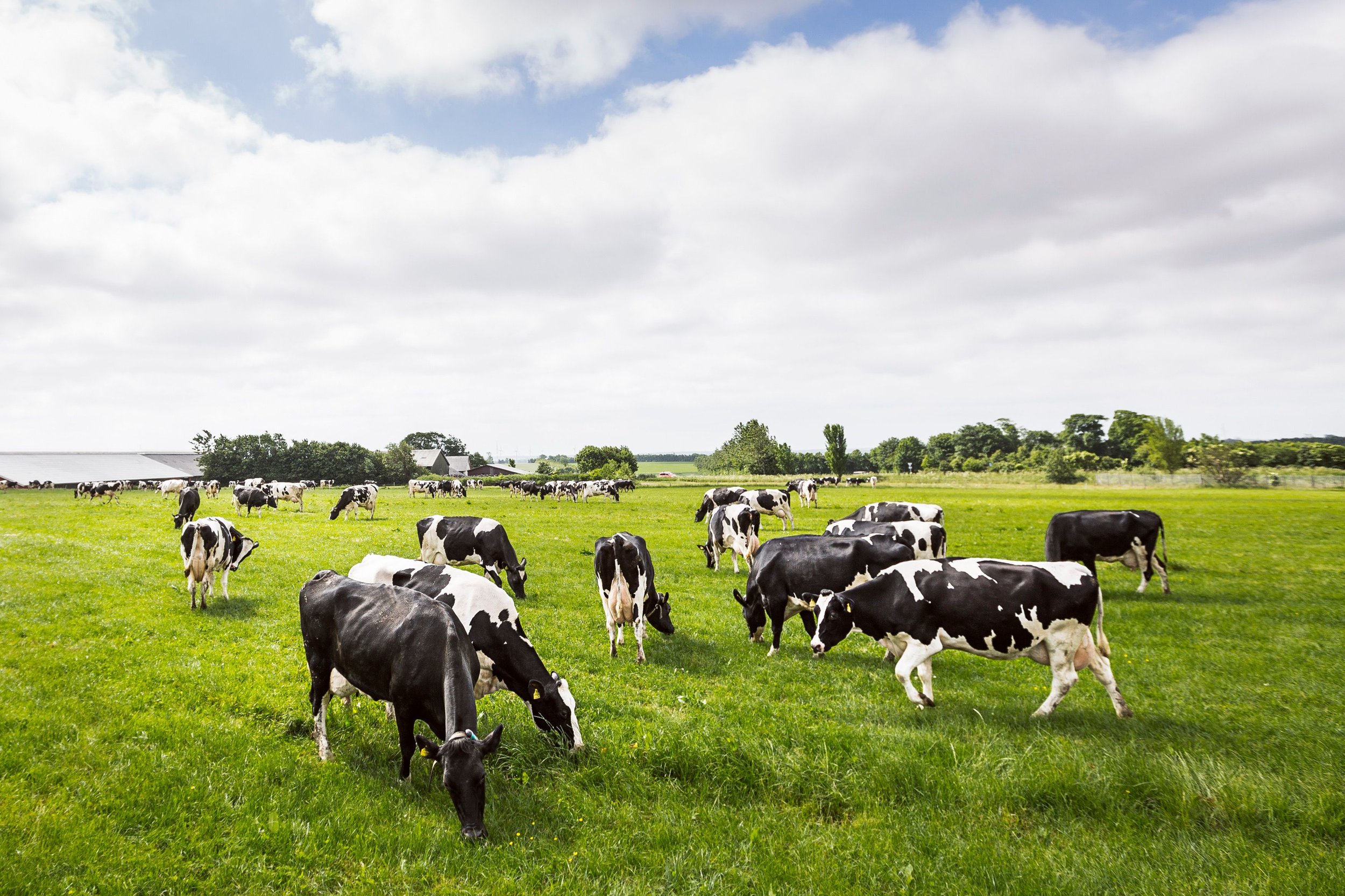
Dairy farmers across the U.S. are proud of the fact that milk is one of the safest and most nutrient-rich choices for you and your family to enjoy. While this is true, there is still some confusion about hormones, antibiotics, and milk from a small dairy farm.
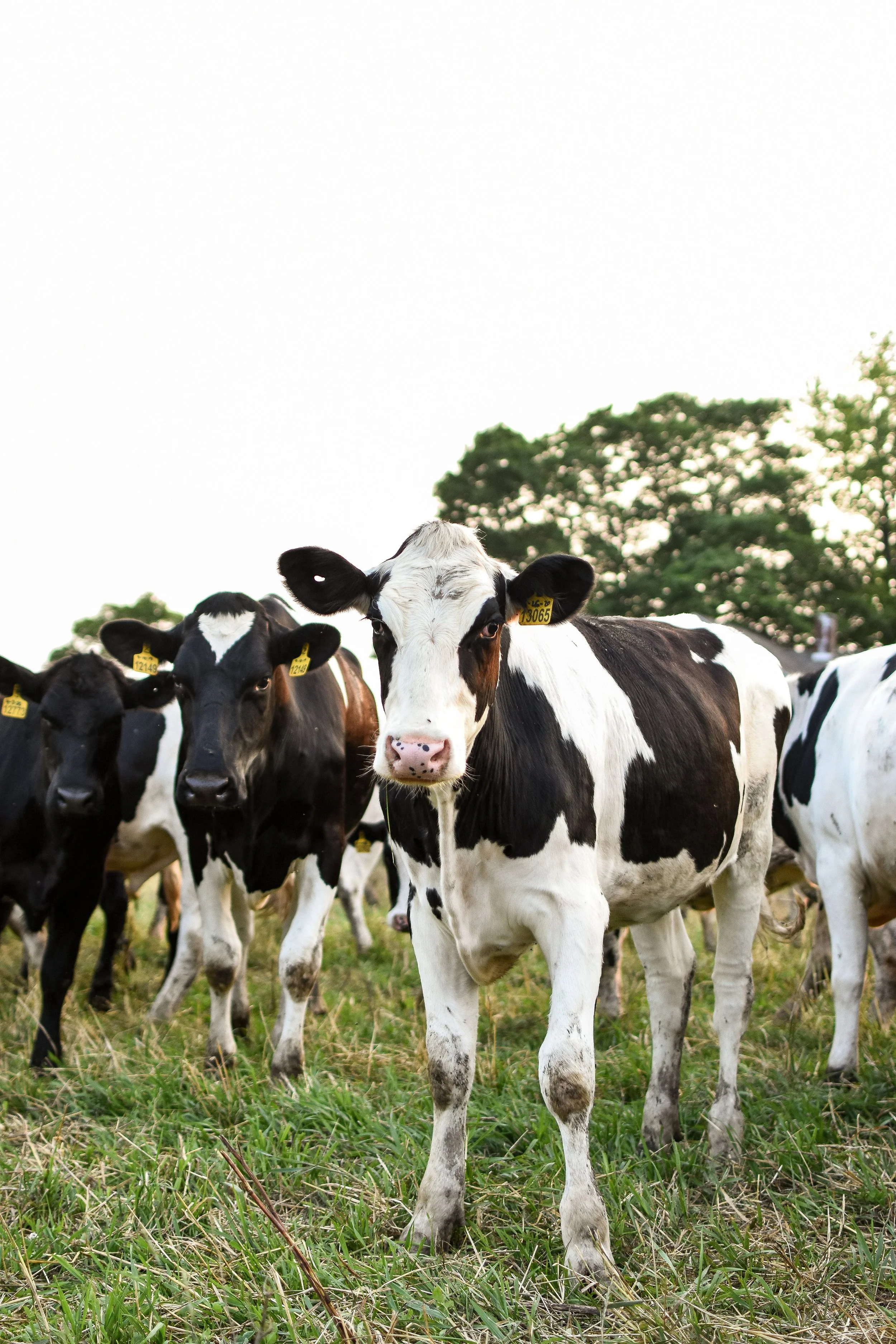
All milk is 100% antibiotic-free. Sometimes, dairy farmers and veterinarians must treat cows with antibiotics when they are ill, just as humans may need medication when we’re sick. Strict government standards and protocols ensure there aren’t antibiotics in the milk you buy at the store. How? These treated cows are temporarily separated from the milking herd and all milk is tested upon leaving the farm and at the arrival of the bottling facility to ensure milk with anti-biotics never makes it into your bottle at home.
There are also no added hormones in any milk. Hormones and hormone-like substances are chemical messengers produced naturally in both animal and plant foods—from brussel sprouts and strawberries to eggs—meaning there are no “hormone-free” foods. Like other foods, all milk naturally contains very small amounts of hormones. However, the body breaks these hormones down during digestion, meaning they become instantly inactive. While there’s no such thing as a “hormone-free” milk or food, there are many real milk choices you can buy. Discover more about hormones in foods and how your local dairy farmers address these concerns.
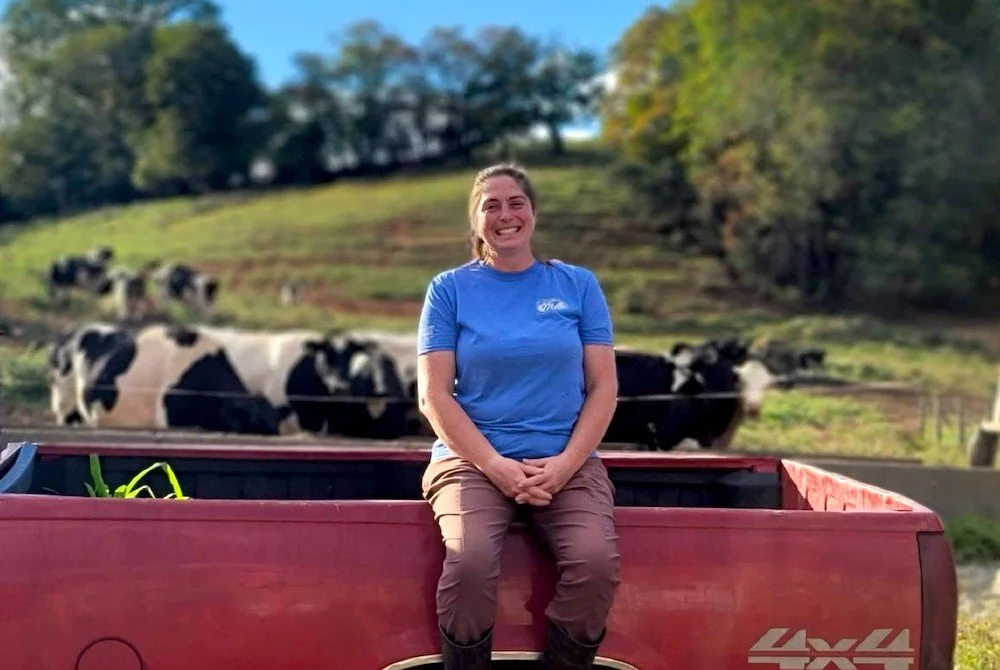
Bowmont Dairy Farm
Boones Mill, VA
Are you concerned about added hormones in milk? Here is what Joanna Shipp, a Virginia dairy farmer, has to say:
“ As I’m milking my cows, I’m proud to provide nature’s most perfect food. Many times I’m asked about the health and safety of milk, specifically about added hormones. While there are no naturally hormone-free foods, milk from my farm and the majority of farms in the U.S. are free from added hormones such as rBST. So enjoy that cold glass of milk without any worry about added hormones. It’s the same milk I’m feeding my own family!”

Providence Dairy
Climax, GA
Just like when you get sick, dairy cows may require medicine in the form of an antibiotic to help them recover when they get sick. How does this work? Dairy farmer Matt Johnson from Providence Dairy in Georgia shares below how he uses antibiotics responsibly, and only when absolutely necessary for the health of his animals.
“My approach to antibiotics is that I would like to use them as little as possible.
“The only time I use injectable antibiotics is in a case where a cow is running a fever, or in the case of gram-positive mastitis-causing bacteria. Using DairyComp (a herd management software), we enter any case where antibiotics are used, and the software helps us keep track of the date administered and the withdrawal period of that antibiotic. When an animal receives medicine, her milk is dumped for this period of time to ensure that you will never find any residual antibiotics in the milk you drink.
“We test every load of milk for antibiotics before we load it onto the tanker. If any animals are sent to market to be processed for meat, we follow the recommended withdrawal period and even usually extend it for two or three extra days to be sure that antibiotics have cleared the meat before that animal goes to market.”

Roy Family Farm
Russell Springs, KY
Shane Roy of Roy Family Farm in Russell Springs, Kentucky, shares:
“As a member of Prairie Farms, we take great pride in providing quality milk from our family dairy farm to our local community. That includes only using antibiotics when a cow is sick and making sure we withhold that cow's milk for the required amount of time after her last treatment. As a reminder to our employees, we use leg bands on our cows to indicate a treated cow as well as a new computer system that marks her as a treated cow during the milking process. To double-check there aren’t any mistakes, we run an antibiotic test on the milk to guarantee an antibiotic-free test result. If for some reason our milk were to test positive for antibiotics, it would be dumped as waste. On our farm, we do not use any added hormones such as rBST to our cows following the requirements of being a member of Prairie Farms.”
Related Posts