Grilling with Milk: Using a Real Milk Marinade for Beef

When the grill is uncovered and the tools are brought out from under the kitchen island, a chef begins planning the perfect meal; this includes a real milk marinade for beef. Whether for a small family dinner or a neighborhood cookout, every detail is scrutinized for days to ensure each bite will be perfection. The grill master must have control of everything.
While deciding what sides to serve and drinks to have on hand, one detail that requires time and patience awaits: how to prepare the meat. Flavor is easily the most important aspect of good food, but consistency is close behind. Finding good techniques to achieve both can be difficult, but both need to be carefully considered when creating a tender meat entrée. There is a possibly surprising solution.
There are two common methods for tenderizing meat. One way is to pound the meat with a tenderizer, ideal for thick cuts (and releasing pent-up anger). For thinner cuts (and the more patient), you can set meat in a marinade of your creation for a long period to soften the surface of the meat. Marinades can be a tricky mixture, though, because if they don't penetrate the surface of the meat, it leaves the meat with an overly soft outside and chewy inside.
Key Takeaways on a Milk Marinade for Beef
Milk can be a useful grilling ingredient, helping tenderize meat, add moisture, and build richer flavor.
Dairy ingredients like milk, yogurt, and buttermilk work well in marinades because they are gentler than harsh, acidic mixes.
Grilling with milk is an easy way to create juicy, flavorful meats while trying a less expected cooking technique.

This milk marinade concept is used in our Milk Braised Pork Loin to tenderize the meat.
Choosing what comprises your marinade is important. Ingredients like vinegar and citrus juices are staple meat tenderizers. Marinating meat should make it more tender, but the aforementioned options can leave the meat dry if left for too long or work so quickly that the meat is too soft.
Why Does a Real Milk Marinade for Beef Work so Well?
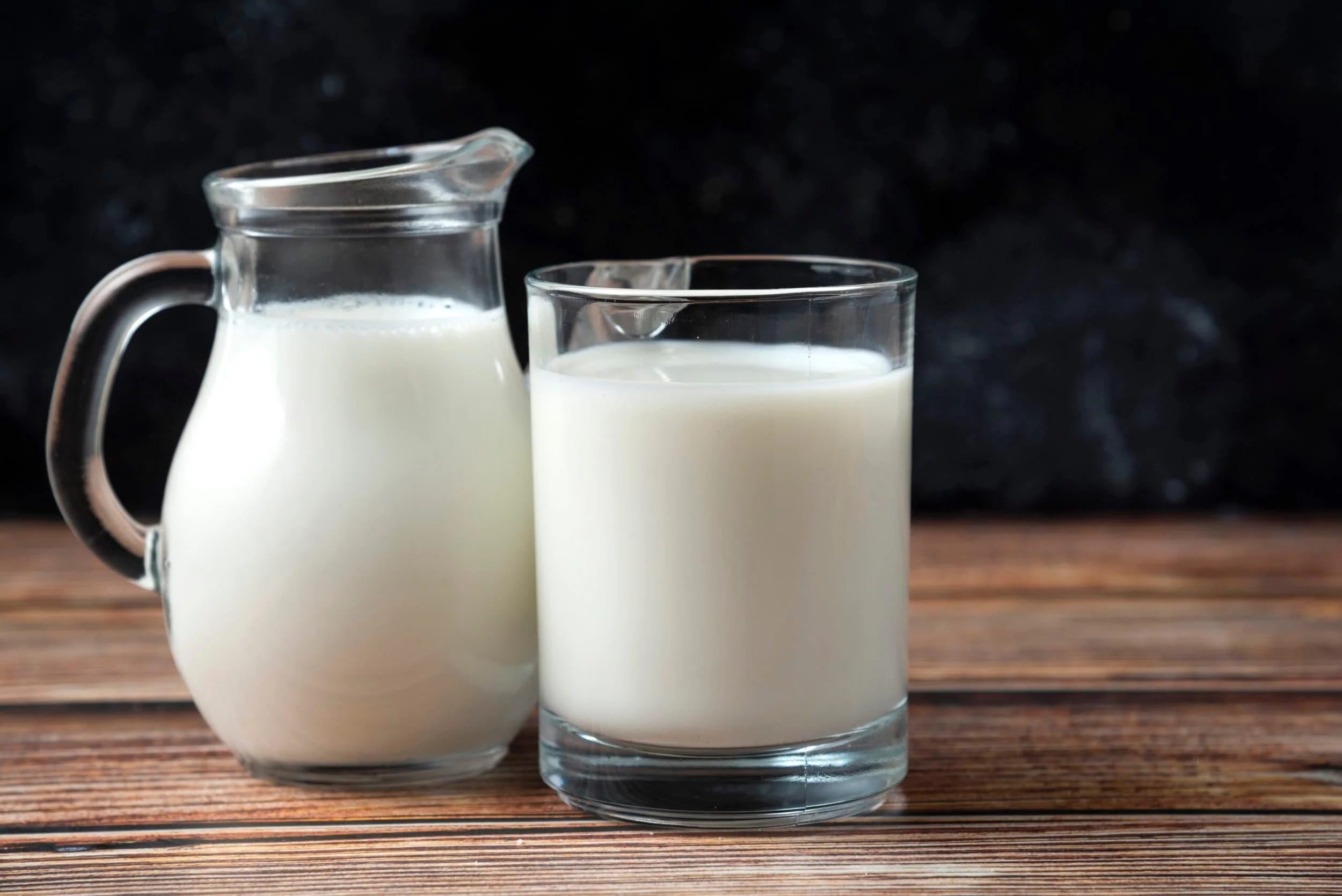
It’s a difficult balance, one that milk can form. Whole milk and buttermilk are traditional marinades in Southern eating, and for good reason! Unlike other options, milk-soaked meat marinades tenderize without getting chewy or mushy. The South knows how to treat meat before frying it.
Why is that? Except for milk products, tenderizer ingredients in marinades are so overpowering that they can harm meat’s consistency if exposed for too long. The acid found in whole milk and buttermilk, however, is just mild enough to soak with meat for hours without damaging the surface. It’s a versatile marinade that can be used on red and white meat. When deciding which to use, whole milk is almost neutral on the pH scale and is best for controlling gamey or fishy flavors, while cultured buttermilk contains more lactic acid for meats that need an acidic marinade.
Common Questions on Milk Marinade for Beef
Q: Can you really use milk when grilling meat?
A: Yes. Milk can be used in marinades to help tenderize meat and add subtle richness before grilling.
Q: Why use milk instead of a more acidic marinade?
A: Milk is gentler, so it can improve texture without making the meat mushy or overly soft.
Q: What dairy ingredients work well for grilling marinades?
A: Milk, buttermilk, and yogurt all work well because they help tenderize meat and carry herbs, spices, and seasonings evenly.
Next time the chef is planning a grilled menu, there’s one less worry about the meal. Simply season milk with nonacidic ingredients, preparing enough marinade to completely submerge the meat. Cover and place the meat and milk marinade in the refrigerator between 4 to 12 hours—whatever you deem as the perfect wait—before rinsing and patting the meat dry. And if you’re adventurous, the marinade doesn’t only work for meet but grilling classics like corn on the cob. Once it has set, fire up the grill for a tasty dinner.
Next time the chef plans to grill out, add milk to the ingredient list.
Related Posts