How a Milk Marinade for Steak Can Transform Texture

A milk marinade for steak might not be the first technique that comes to mind, but it’s one worth trying.
Recently, during our live cooking demonstration at the Georgia Food and Wine Festival, Atlanta-local Chef Joey Ward featured milk marinades. It’s an unusual concept for many everyday cooks. Steak and milk together. It's unexpected, but not new.
Across Southern kitchens, milk has long played an important role, from baking and sauces to marinades that help tenderize and transform proteins before they hit the pan. From soaking meats before frying to building rich, slow-cooked dishes, it’s a technique based on making the most of what you have. Now, it’s showing up in a fresh way.
Key Takeaways
A milk marinade can help tenderize steak while adding subtle richness and balanced flavor.
Milk and buttermilk are gentler than highly acidic marinades, so they can improve texture without making meat mushy or dry.
For grilling, a simple milk marinade with herbs and spices can turn flank steak into a more tender, flavorful meal.
Why Do Chefs Use Milk to Tenderize Meat?
Using a milk marinade for steak comes down to both flavor and function.
Milk contains natural compounds that gently tenderize meat, breaking down proteins just enough to improve texture without overpowering it. At the same time, it adds a subtle richness you don’t get from water or stock.
It’s not flashy, nor does it take over the dish. It just makes everything work a little better.
It’s also an ingredient many people already have on hand, bringing flavor and nutrients like milk’s high-quality protein as part of a balanced approach to cooking.
Can You Use a Milk Marinade for Steak?
Yes, and it works surprisingly well.
While this method shows up in classic dishes like milk-braised pork, it translates well to steak. Letting the meat rest in milk for several hours helps create a tender bite and a balanced, well-rounded flavor.
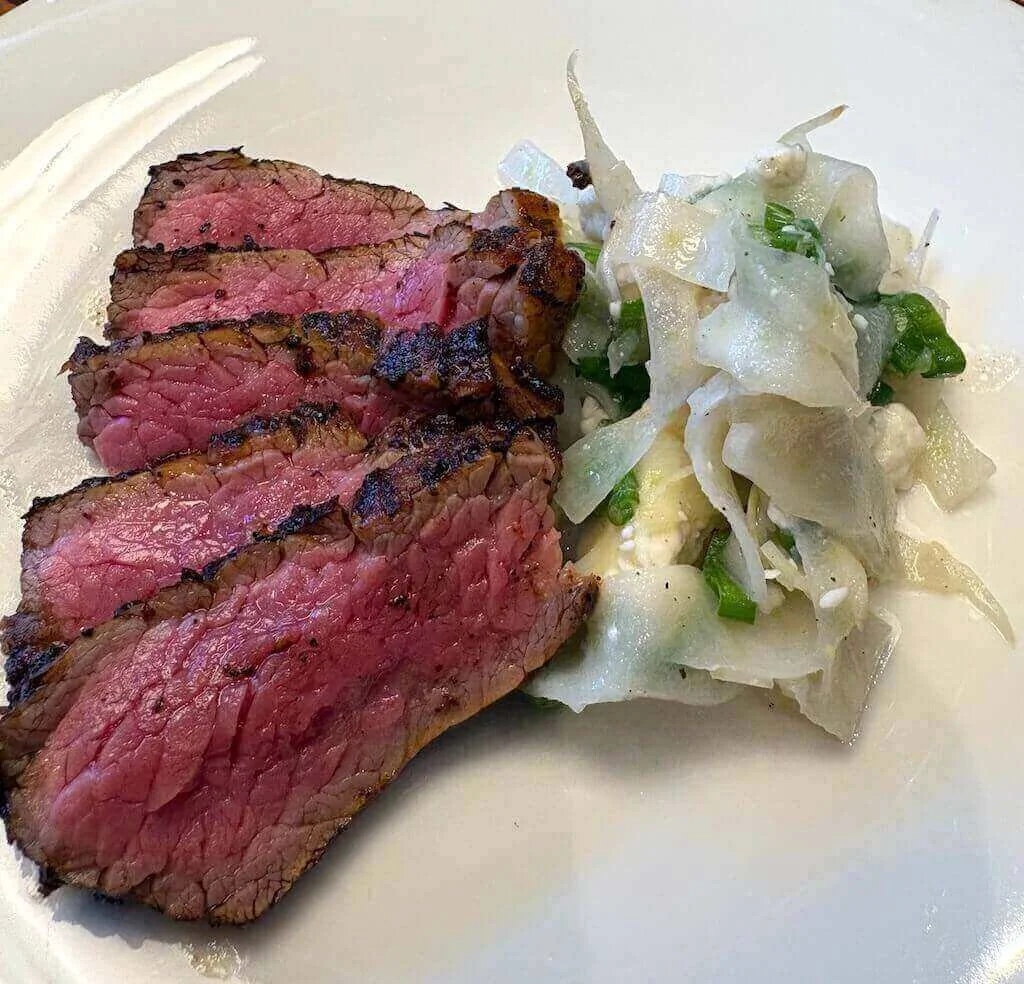
From there, cook it however you like, whether that is grilled, seared, or finished in the oven. Try it yourself with this recipe featured at the Georgia Food and Wine Festival: the Milk Marinated and Blackened Flank Steak with Buttermilk Fennel and Bleu Cheese Slaw. This milk-marinated and blackened flank steak is a flavor-packed dish featuring tender steak soaked in a rich milk marinade, then seared with smoky blackening spices. Served alongside a crisp fennel-and-buttermilk slaw with bleu cheese, this recipe balances creamy, tangy, and savory flavors for a standout meal, perfect for entertaining or a weeknight upgrade.
How to Use a Milk Marinade for Steak on the Grill
It’s a Southern secret that’s out. As the weather warms up and grills come out from under the kitchen island, milk marinades are a perfect way to take your outdoor meals to the next level. Whether it’s a family dinner or a neighborhood cookout, flavor and consistency are everything. Milk helps you nail both.
There are many ways to tenderize meat: pounding, acidic marinades, or quick brines. Each has its quirks: too much acid can make the meat dry or mushy, or a too-short marinade can keep the meat tough. Milk and buttermilk strike a sweet spot. They’re mild enough to tenderize over hours without compromising texture, yet rich enough to add a subtle depth to both red and white meat.
Whole milk is great for controlling gamey or stronger flavors, while cultured buttermilk adds a bit more acidity for tougher cuts. Either way, the South has been using this method for generations, whether for fried chicken, pork, or even steak on the grill.
Here’s the simple approach: season your milk with herbs, spices, or aromatics, avoiding acidic ingredients like lemon juice. Make sure the meat is fully submerged, cover it, and refrigerate for 4- 12 hours, whatever works best for your schedule. Rinse, pat dry, and grill as usual. The result is tender, flavorful meat that consistently impresses. Adventurous cooks can even try this technique on veggies like corn on the cob for a subtle richness!
Next time you plan a cookout, add milk to the ingredient list. Your grill (and your guests) will thank you.
How Do You Prevent Milk from Curdling?
Milk can curdle at high heat or when combined with strong acids, but it’s easy to manage. Keeping temperatures steady and avoiding acidic ingredients like lemon juice while cooking helps maintain a smooth texture.
Even when tiny curds form, they don’t ruin the dish. Typically, they blend in, adding body to the sauce rather than taking anything away.

Meet the Chef Behind the Magic
Chef Joey, a local culinary favorite and James Beard Award winner, has been delighting diners with his Southern-inspired dishes for years. Joey Ward is the executive chef and owner of Michelin-recommended restaurants Southern Belle and Georgia Boy in Atlanta, Georgia. Known for blending classic techniques with modern flair, he was excited to showcase milk marination at the festival, giving attendees a glimpse into how simple ingredients can elevate everyday cooking.
Why This Technique Still Matters
There’s a reason techniques like this milk marinade stick around. They’re practical, adaptable, and proven to work.
From traditional recipes to new takes on steak, milk continues to prove it has a place beyond the glass. Not as a trend, but as a reliable, versatile ingredient that helps bring out the best in the food you’re already making.
It may not be the flashiest trick in the kitchen, but it’s one you’ll probably come back to.
Common Questions on Milk Marinade for Steak
Q: Can you really marinate steak in milk?
A: Yes. Milk can help tenderize steak and create a more balanced, flavorful bite.
Q: Why do chefs use milk to tenderize meat?
A: Milk gently breaks down proteins while adding mild richness, which improves texture without overpowering the meat.
Q: How long should a steak sit in a milk marinade?
A: Usually 4 to 12 hours in the refrigerator, depending on your schedule and the cut of meat.
Related Posts