How to Keep Dairy Products Cool in Hot Summer Temps
Summer heat sends most of us looking for ways to stay cool, and your dairy products are no exception. From the moment it leaves the farm until it reaches your refrigerator, keeping milk cold is one of the most important steps in protecting the fresh taste and quality you expect.
The journey from farm to table happens faster than many people realize- about 48 hours, but a lot happens along the way. Dairy farmers work year-round to keep cows healthy and comfortable, especially during hot summer months, while milk haulers and processors carefully maintain cold temperatures every step of the journey.
Ever wondered how dairy farmers help cows beat the heat? Or what milk truck drivers do behind the scenes to make sure your dairy milk arrives fresh and ready to enjoy? We asked dairy farmers to share how they care for their cows, protect milk quality, and keep fresh dairy moving from the farm to your family's table, even on the hottest summer days.
Key Takeaways
Dairy farmers and milk haulers use strict cooling practices to protect milk quality during hot summer temperatures.
Fresh milk is cooled quickly after milking, stored in refrigerated tanks, and transported in temperature-controlled trucks to keep it below 40°F.
Families can help keep dairy fresh by using a cooler bag at the grocery store and putting milk, cheese, yogurt, and other dairy products in the refrigerator as soon as they get home.
How Farmers Keep Dairy Products Cool in Hot Weather
Southern Swiss: Waynesboro, Georgia
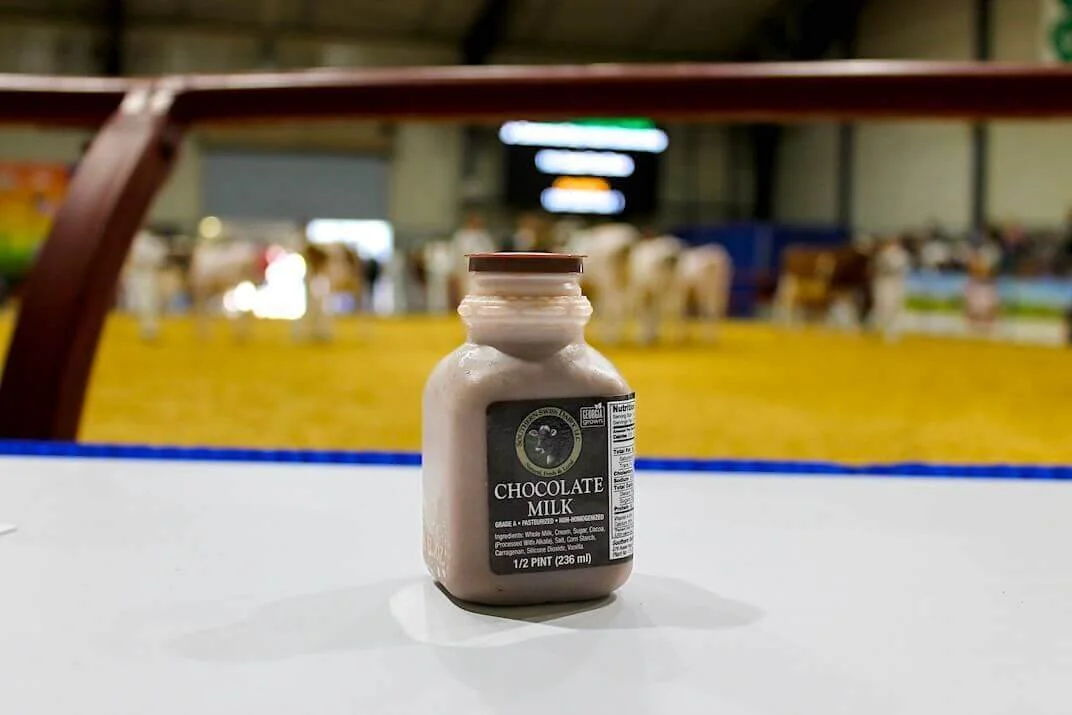
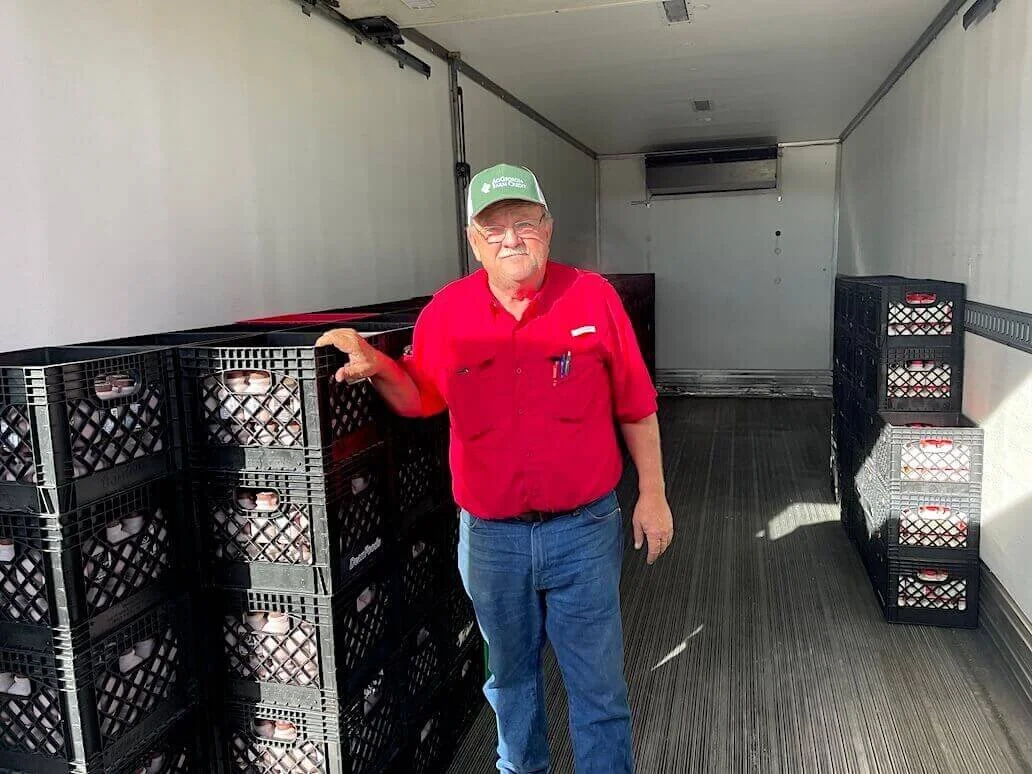
This July, we’re grateful for the hardworking drivers and dairy teams who rise before the sun, protect milk quality in the heat, and bring fresh, local dairy to families across the Southeast. From early mornings to careful handling, Southern Swiss, a local dairy processor in Waynesboro, Georgia, is committed to delivering high-quality dairy all summer long.
Rising early to beat the Georgia heat, the milk truck drivers hit the road at 3–4 a.m. to keep milk fresh from farm to table and make deliveries as early as possible. Temperature-controlled trucks are set at 30°F for milk (and –5°F for ice cream) to protect quality every step of the way, even when temps are getting up into the 90’s.
Pro tip from your local dairy farmers: Keep your milk cold after you buy it to enjoy that fresh taste! Even small differences like bringing a cooler bag to the grocery store and putting dairy directly into the fridge when you get home can ensure that it stays fresh.
Tim Barrick & Sons: Virginia
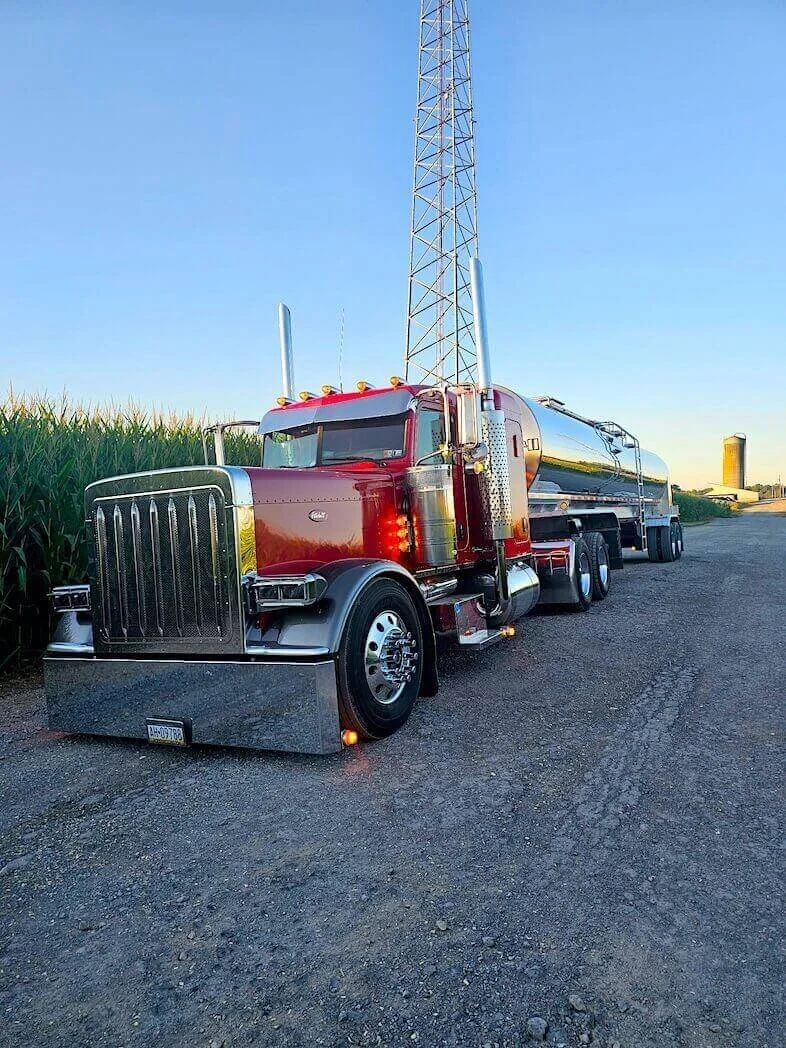
Milk isn’t cold when it leaves the cow; it's around 101.5°F. It’s quickly cooled to 36°F and stored in a refrigerated milk tank. Milk haulers like Tim Barrick & Sons transport milk from the farm to the processor. Haulers check the milk temperature before it is loaded onto their trucks. The stainless steel tankers hold around 7,000 gallons of milk, and they keep the milk at temperatures of less than 40°F while delivering to the processing plant.
Keightley & Core Jerseys: Salvisa, Kentucky
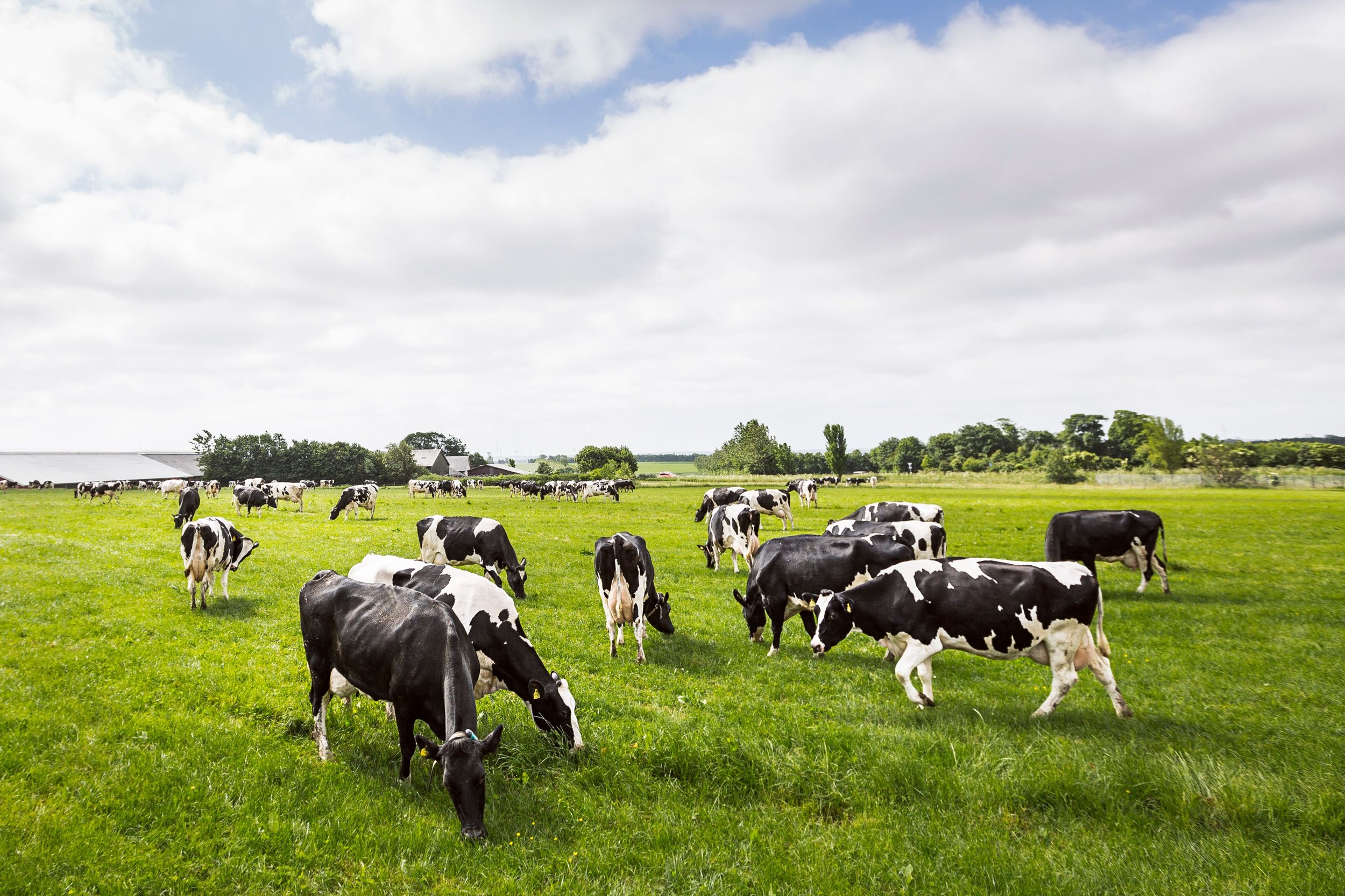
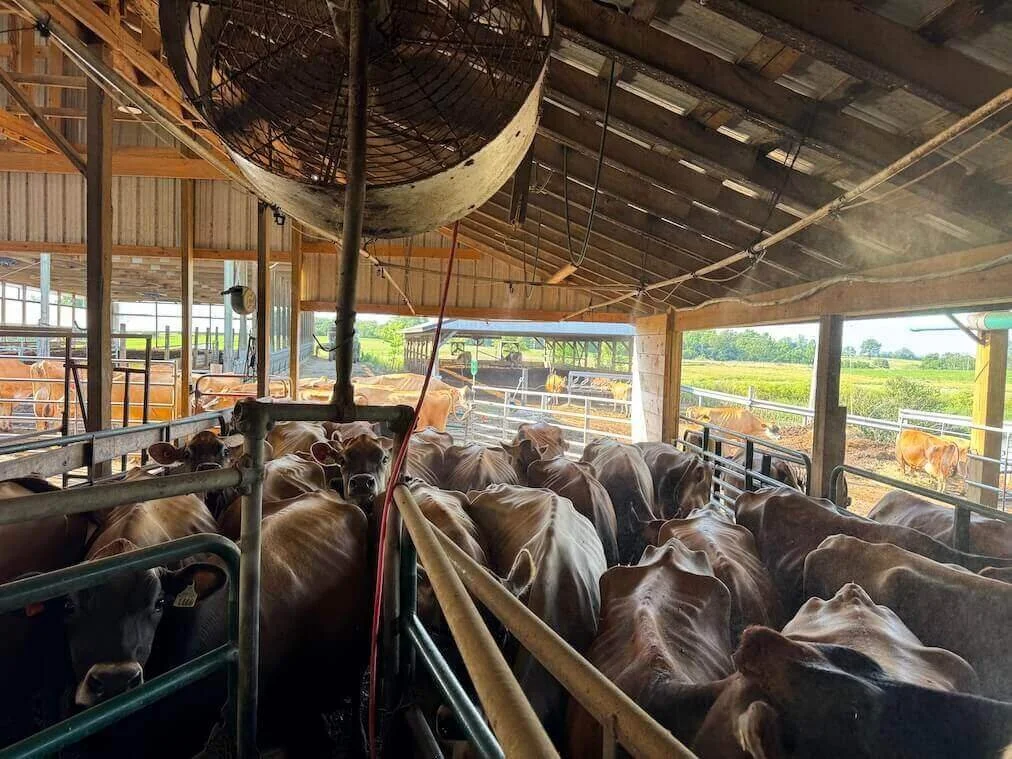
Managing high temperatures on the dairy is quite a challenge, and farmers try to mitigate the stress as best as they can. Keightley runs all the fans they can and has sprinklers in areas where cows are waiting to be milked. They add electrolytes to the feed for the cows and for baby calves. Fans and curtains in the main barn are climate controlled. They also make sure to only move or work cattle in the cool parts of the day.
Common Questions About Keeping Dairy Cool and Safe
Q: How do dairy farmers keep milk fresh in hot weather?
A: Milk is quickly cooled after milking, stored in refrigerated tanks, and transported in temperature-controlled trucks to protect freshness and quality.
Q: What temperature should milk be kept at?
A: Milk should be kept cold, ideally refrigerated at 40°F or below, to help maintain freshness and food safety.
Q: How can I keep dairy products cold after grocery shopping?
A: Use a cooler bag, avoid leaving dairy in a hot car, and place milk, cheese, yogurt, and other dairy products in the refrigerator right away.
Related Posts