Feeding byproducts can offer dairy farmers opportunities to manage feed costs, reduce waste, and meet their herd’s nutritional needs. This month, we asked dairy farmers to share which byproducts they feed, how they incorporate them into their rations, and what they’ve learned through their experiences.
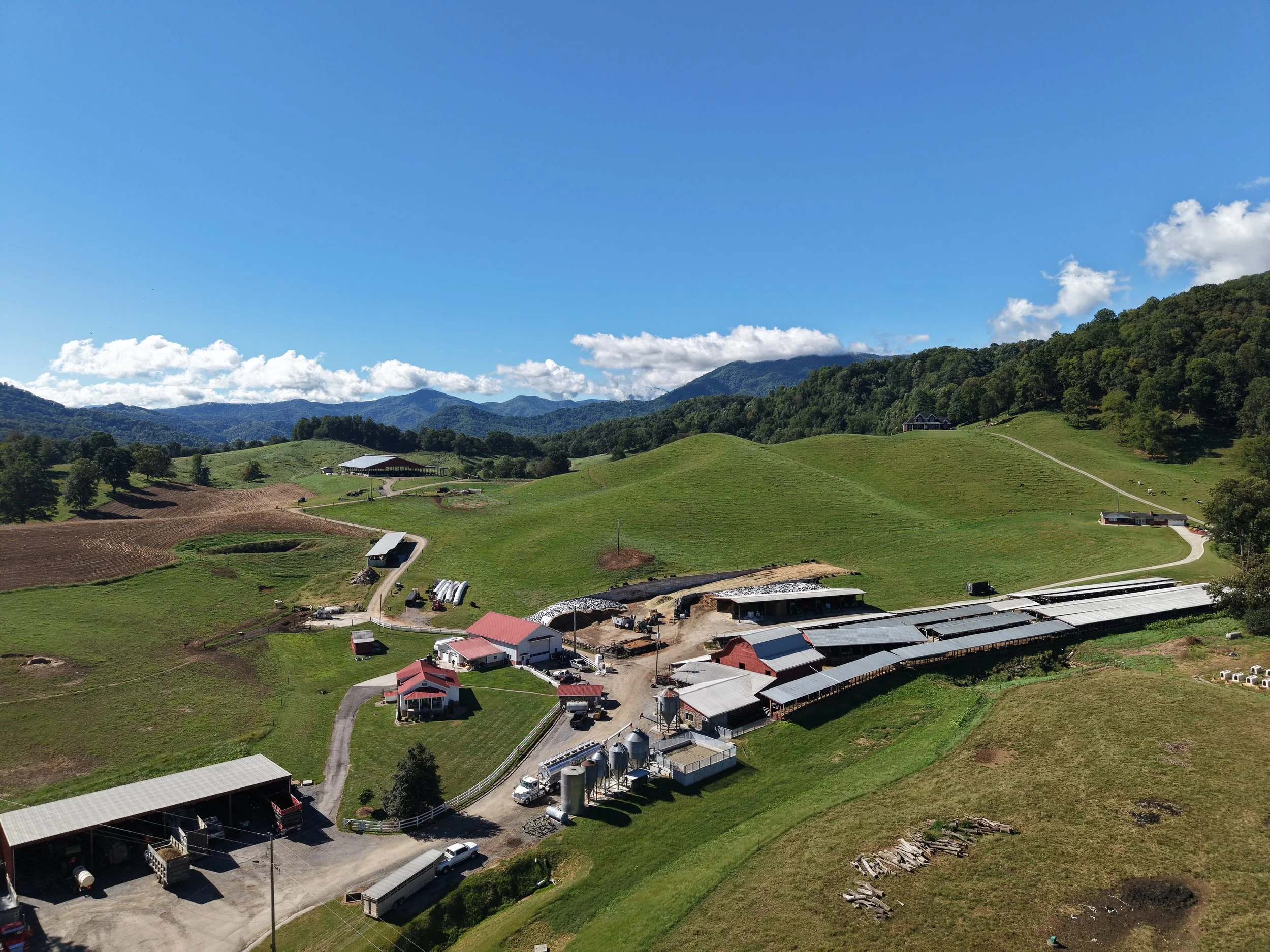
Ross Dairy in Waynesville, NC
Brewers grain is left over from the brewing process after all the fermentable sugars have been removed for beer making. For breweries this is a waste product, but for dairy farms like Ross Dairy it can be an important part of their cows’ diet. Ross Dairy is located near several Western North Carolina breweries and feeds brewers grain to their cattle. It provides a source of protein and fiber, which helps cattle produce milk while solving a problem for the local breweries.
Windcrest Holsteins in Timberville, VA
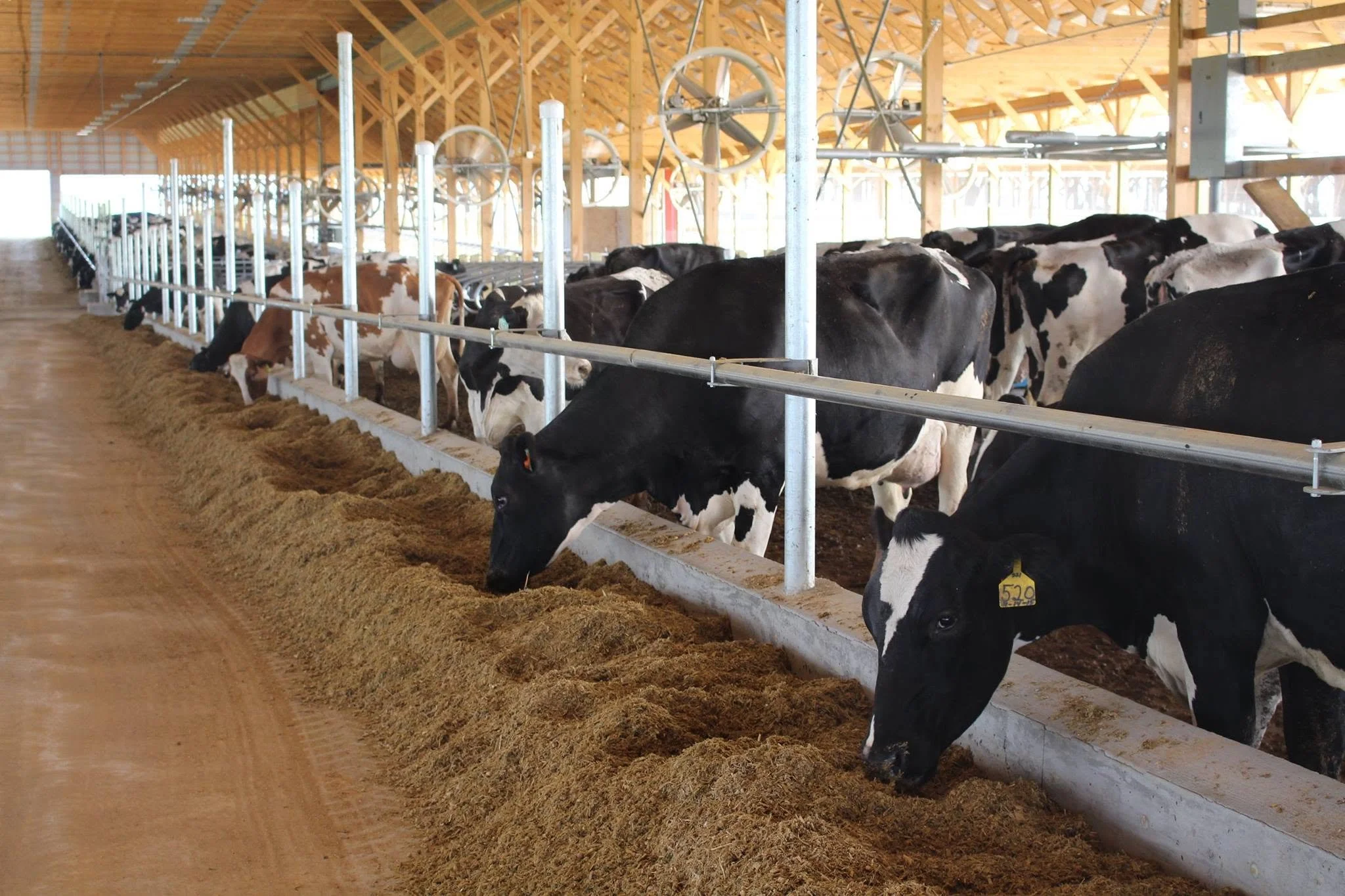
Windcrest Holsteins incorporates a bit of an unusual ingredient in their cattle feed—okara. Okara is a pulp that's left over from processing soybeans for human consumption. Okara is a good protein source for cattle, so including it in their total diet not only provides nutrition for dairy cows but also keeps a waste product from entering the landfill.
Long Dairy in Glasgow, KY
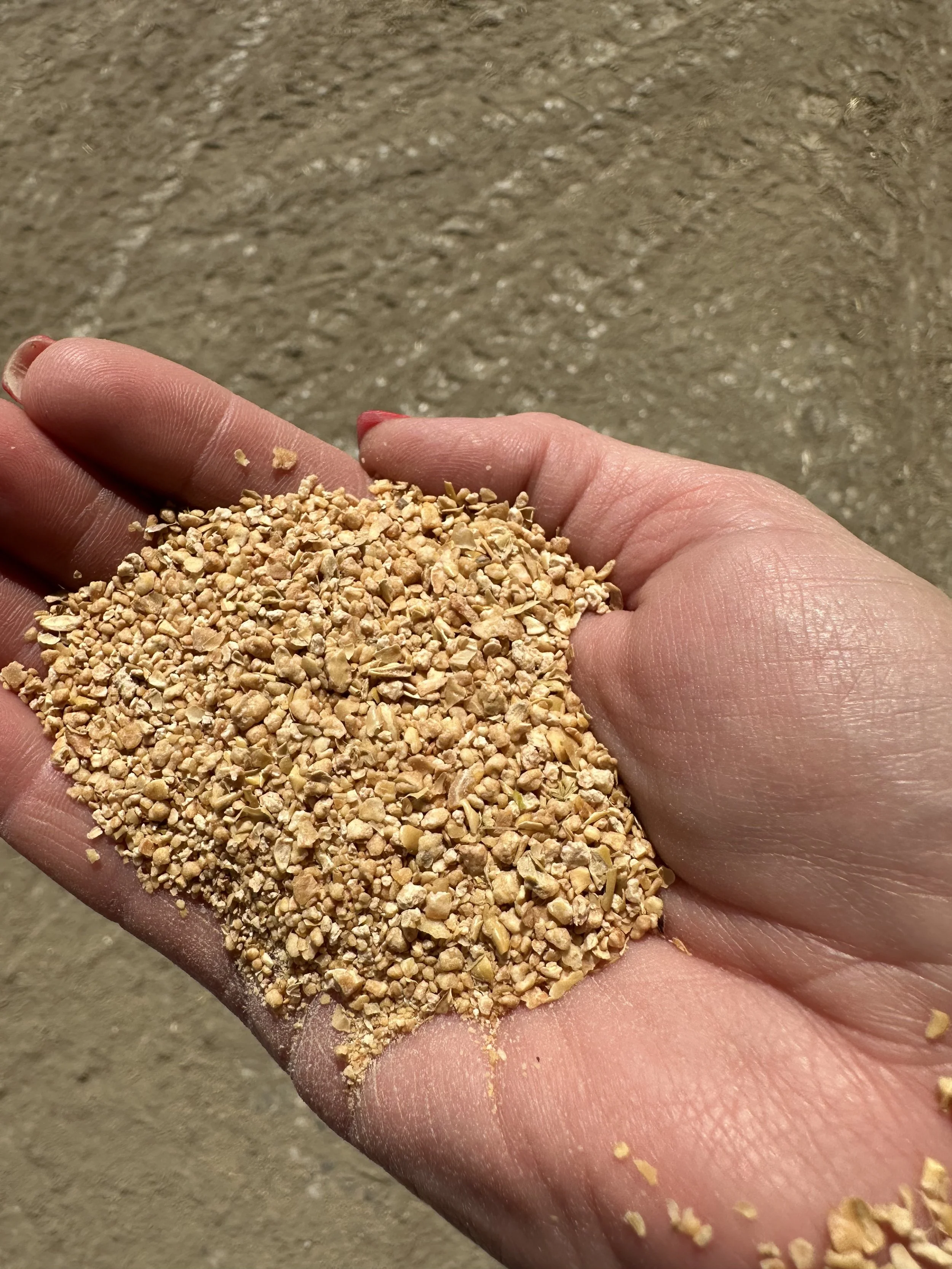
For the Long family, dairy farming comes down to the details, including good nutrition that focuses on forage quality and utilizing by-products like cotton and citrus as feedstuffs to optimize cow production. Citrus pulp is the dried residual of peel, pulp, and seeds left over after citrus fruits are processed for juice. Citrus pulp is high in digestible fiber and energy. Whole cottonseed is a byproduct of the cotton-ginning industry. It provides a combination of protein, energy, and effective fiber.
Pecan Grove Dairy in Baconton, GA
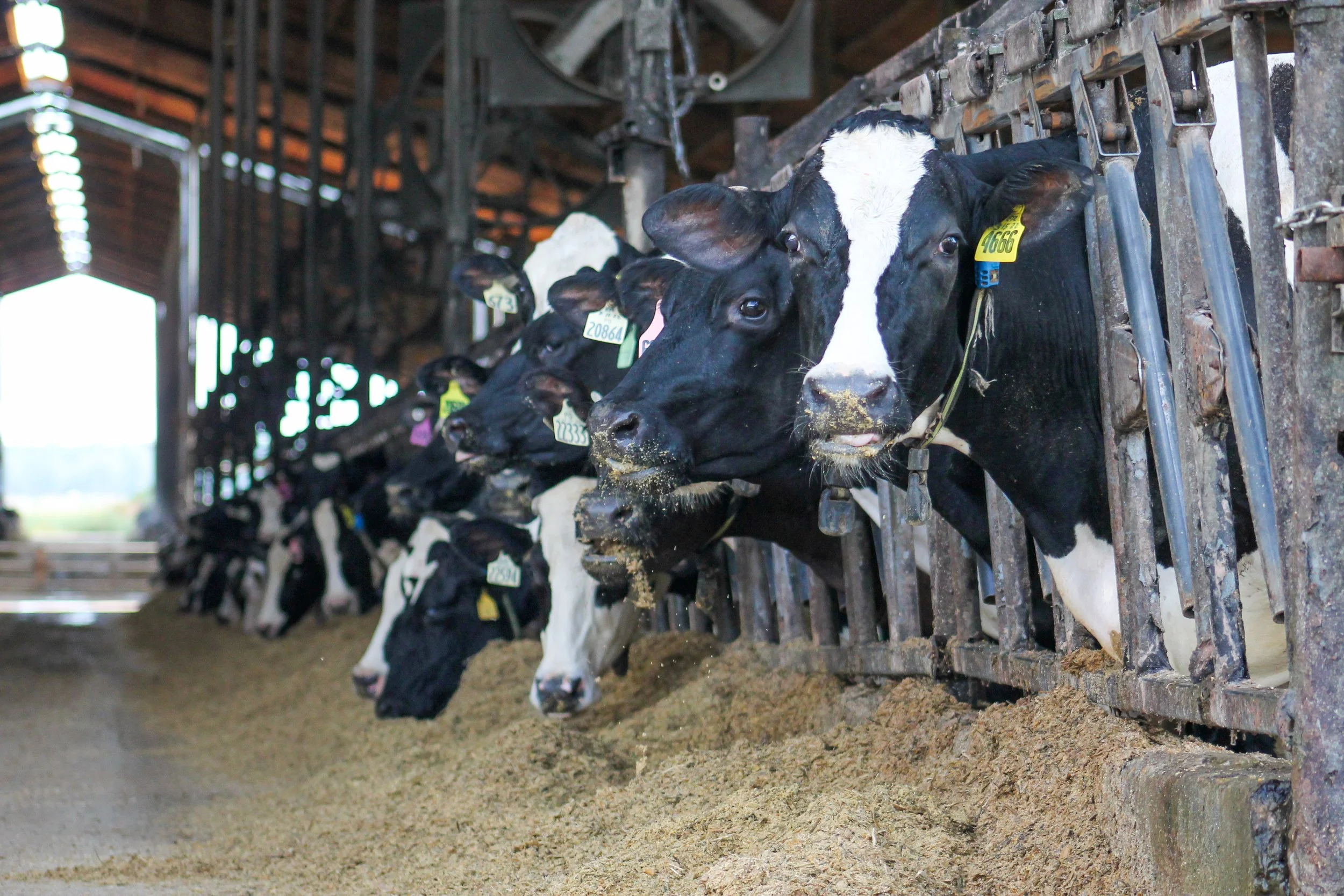
From cotton T-shirts to soybean products and canola cooking oil, Pecan Grove Dairy gives new life to nutritious leftovers from everyday products by incorporating them into cattle feed.
About 30% of each cow's diet comes from byproducts, including canola pellets, soybean meal, and cotton gin byproducts. These ingredients are blended into a total mixed ration, providing the nutrients cows need at every stage of life. The rest of the diet consists primarily of ingredients like corn, haylage and corn silage, much of which is grown on the farm or sourced nearby from other local farmers.
Why use byproducts? Recycling nutritious leftovers from other agricultural industries helps reduce waste, support fellow farmers, and provide cows with a balanced, wholesome diet.
Related Posts