When Does Real Dairy Milk Actually Expire? Should I Panic?
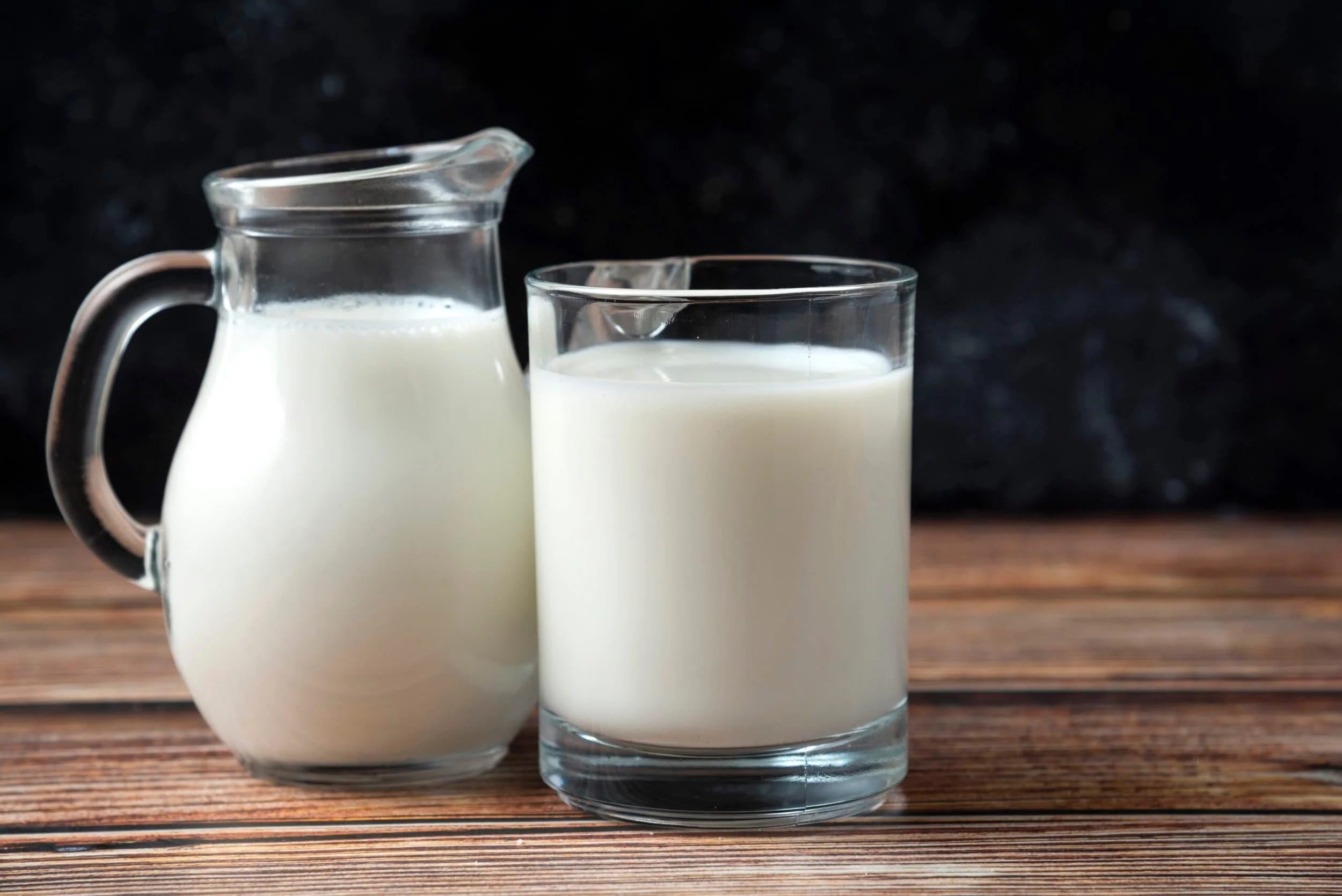
When does milk actually expire? This is a great question to delve into.
Learn what “sell-by,” “best-by,” and expiration dates actually mean.
Milk doesn’t magically spoil at midnight, so when does it?
Follow these easy tips and learn how to tell if your milk is actually bad.
Why Does Milk Expire at the Most Inconvenient Time?
There is nothing more humbling than pouring cereal at 7:12 a.m. and, bleary-eyed, realizing your milk expired yesterday. You check the date on your phone and compare it to the date on the jug.
Yep, yesterday.
Not last week. Not “oops, we tried.” Yesterday.
And now you’re standing there, carton in hand, wondering:
Is it dangerous? Is it fine? Is this how I go, still in my pajamas?
Before you start Googling “how long after sell-by date milk,” let’s take a breath.
Milk doesn’t self-destruct at midnight.
What Do Those Dates Actually Mean?
Here’s the part most of us were never taught in school:
Sell-by date: This is information for the store, not you.
Best-by date: This is about quality, not safety.
Use-by date: This is the manufacturer’s recommendation for peak freshness.
These dates help retailers manage inventory and help consumers enjoy milk at its best quality. They are not countdown timers to disaster. They are each an estimated date to help guide you on how quickly you need to get through food.
When it comes to keeping your milk fresh, proper refrigeration matters more than the exact date printed on the carton.
Why Does Milk Eventually Go Bad?
Milk is perishable because it’s a real food. It’s not a shelf-stable science experiment.
Even after pasteurization, naturally occurring bacteria can grow over time. As bacteria multiply, they produce acids that change the smell, taste, and texture.
When bacteria grows, that’s when you get a:
Sour smell
Curdled texture
Off flavor
The good news, though, is that your senses are very good at detecting when milk has spoiled, even when half-asleep.
If it smells sour, looks lumpy, or tastes off, it’s time to let it go.
If it smells and looks normal? It’s often still fine, even if you’re slightly past the printed date.
Why Does Milk Sometimes Last Longer Than the Date?
It’s all about storage.
Milk stored at 40°F (4°C) or below will last longer than milk that’s repeatedly left on the counter during cereal negotiations. Keeping milk in the back of the fridge and off the counter helps it last until that final pour.
Pro tip:
Keep milk toward the back of the fridge (not the door), as this area is colder.
Close the cap tightly.
Don’t let it hang out on the counter while you scroll. Grab the milk when you need it and then put it back in the fridge. If you want to leave milk out, pour some into a small pitcher so the majority of the jug can be left in the refrigerator.
Temperature consistency matters.
Does the Type of Milk Change the Expiration Timeline?
No. Generally, whole, 2%, 1%, and skim milk have similar shelf lives because the expiration timeline is more about pasteurization and storage than milkfat percentage.
How your milk is prepared my impact the date, though. Ultra-pasteurized milk may last longer unopened because it’s heated to a higher temperature during processing. Once opened, though, the clock starts for all of them.
Should You Ever Ignore the Milk Expiration Date?
We don’t recommend ignoring it the date, but we do recommend understanding it.
The printed date is a guideline for peak quality, but it is important to remember a guideline is not a rule. Your senses are the final authority.
Think of it like this:
Date = suggestion
Smell test = reality
If you’re unsure, err on the side of caution. But don’t automatically toss perfectly good milk at 12:01 a.m. because the calendar flipped.
Can You Use Slightly Sour Milk for Baking?
The short answer: sometimes.
If your milk is just past the printed date and still smells and looks normal, it can typically be used in baking without issue.
If your milk smells slightly tangy (but not sharply sour), hasn’t curdled, and doesn’t show signs of spoilage, it is on its way out but may still work well in baked goods like:
Pancakes
Muffins
Quick breads
Biscuits
Many baking recipes already rely on a mild acidic ingredient like buttermilk or yogurt to react with baking soda. Slightly acidic milk can behave similarly in those situations.
But if your milk:
Smells strongly sour
Has visible clumps or curdling
Tastes noticeably off
Has been improperly stored
It’s time to discard it.
When in doubt, throw it out. Food safety always comes first.
If your milk simply crossed its “best-by” date yesterday and passes the smell test, your banana bread does not need to suffer by losing delicious dairy.
Why Does This Matter?
Food waste is expensive, and throwing out milk that’s still good because of a misunderstood date adds up.
Understanding how expiration dates work helps you:
Reduce waste
Save money
Cook with confidence
Milk expires gradually. The date on the carton is about quality guidance, not a built-in alarm system.
Store milk properly. Use your senses. If your milk truly goes bad, it will not be subtle about it.
Your nose will know.
FAQs on When Does Milk Actually Expire?
Q: Does milk really go bad the second the date passes?
A: No. The date is about peak quality, not instant danger. Use your senses — smell, look, taste — to judge freshness.
Q: Why does milk last longer in the fridge sometimes?
A: Temperature consistency is key. Keep milk toward the back of the fridge, not in the door, and always keep it tightly sealed.
Q: Can I use milk that’s a little past the date for cooking or baking?
A: Yes, if it looks, smells, and tastes okay. Slightly tangy milk can even work like buttermilk in recipes. If it’s strongly sour or curdled, toss it.
Q: Does the type of milk matter for expiration?
A: No. Whole, 2%, 1%, and skim milk have similar shelf lives once opened.
Q: What’s with the dent in the milk jug? Does it help milk last longer?
A: The dent isn’t a magic freshness hack — it’s just part of packaging design. It doesn’t affect milk quality. Check your senses, not the indent.
Related Posts