Organic Milk vs. Regular Milk: What’s the Difference?

When comparing organic milk vs. regular milk, both have the same core nutrition, safety, and quality. The biggest difference is not whether one is healthier. The real difference is how the cows are raised and how the milk is produced under different farming standards. Organic milk must follow USDA organic rules for feed, pasture access, and animal care, while regular milk comes from conventional dairy farms that also follow strict safety and quality standards.
For most shoppers, the choice comes down to personal preference, budget, availability, and which farming approach they want to support. Both organic and regular milk can be part of a healthy diet and provide important nutrients, such as protein, calcium, and vitamins. If you are comparing the two in the dairy aisle, it helps to understand what the labels actually mean.
Key Takeaways on Organic Milk vs. Regular Milk
Organic milk and regular milk offer the same safety, quality, and overall nutrition.
The biggest difference is farming practices, not whether one milk is healthier.
Organic milk must meet USDA standards for organic feed, pasture access, and animal care.
Organic milk often lasts longer because it is commonly processed at ultra-high temperatures.
Grass-fed milk is not the same as organic milk, though some milk can be both.
Comparing Organic Milk vs. Regular Milk
Is Organic Milk Healthier Than Regular Milk?
No. Organic dairy milk is not automatically healthier than regular dairy milk. Both provide the same important dairy nutrition, and both are produced under strict safety standards.
That is where many shoppers get confused. The word organic can sound like it means better nutrition, but in milk, it refers to the farming and certification standards that underpin the product. It does not mean regular milk is lower quality or less safe.
What Makes Organic Milk Organic?
Organic milk must come from farms that follow USDA organic requirements. In general, that means cows are fed certified organic feed, have access to pasture, and are raised under organic animal care standards. Organic dairy production also follows rules that prohibit the routine use of certain products not allowed under USDA organic certification.
These standards focus on how the farm is managed and how the feed is produced. They do not change the fact that both organic and regular milk are real dairy milk with similar nutrition.
What Is Regular Milk?
Regular milk, also called conventional milk, comes from dairy farms that do not follow USDA organic certification rules. That does not mean it is less safe or less nutritious. Conventional dairy farms still operate within rigorous milk quality and food safety systems, and the milk is still tested, pasteurized, and sold under strict standards.
For many families, regular milk is the more available or budget-friendly option. It delivers the same key nutrients people expect from milk and remains a dependable choice for everyday meals, snacks, and recipes.
What Is the Biggest Difference Between Organic Milk vs. Regular Milk?
The main difference is farming practices.
Organic milk comes from farms that follow USDA organic standards for feed, pasture access, and animal care. Regular milk comes from conventional dairy farms that do not use organic certification standards.
This difference matters to shoppers who want to understand what stands behind the label, but it does not mean one milk is nutritionally superior to the other.
Why Does Organic Milk Last Longer?
Organic milk often lasts longer because it is commonly processed using ultra-high-temperature pasteurization. This process heats the milk to a higher temperature for a short time, helping extend shelf life.
Conventional milk is more often pasteurized using standard methods, which can mean a shorter refrigerated shelf life. Because there are fewer organic dairy farms and organic milk may travel farther to reach stores, a longer shelf life can help keep it fresh through distribution.
Is Organic Milk Pasteurized?
Yes. Organic milk is pasteurized.
This is an important distinction because some people confuse organic milk with raw milk. They are not the same. Organic refers to how the milk is produced on the farm. Pasteurization is the safety process used to ensure milk is safe before it is sold.
Is Grass-Fed Milk the Same as Organic Milk?
No. Grass-fed milk and organic milk are not the same.
Grass-fed milk refers to a cow’s diet. Organic milk refers to the farming standards used to produce the milk. Some milk can be both organic and grass-fed, but one label does not automatically imply the other.
This is one of the most common points of confusion in the dairy case, so it is always worth reading the label closely.
Do Organic and Regular Milk Come from Different Cows?
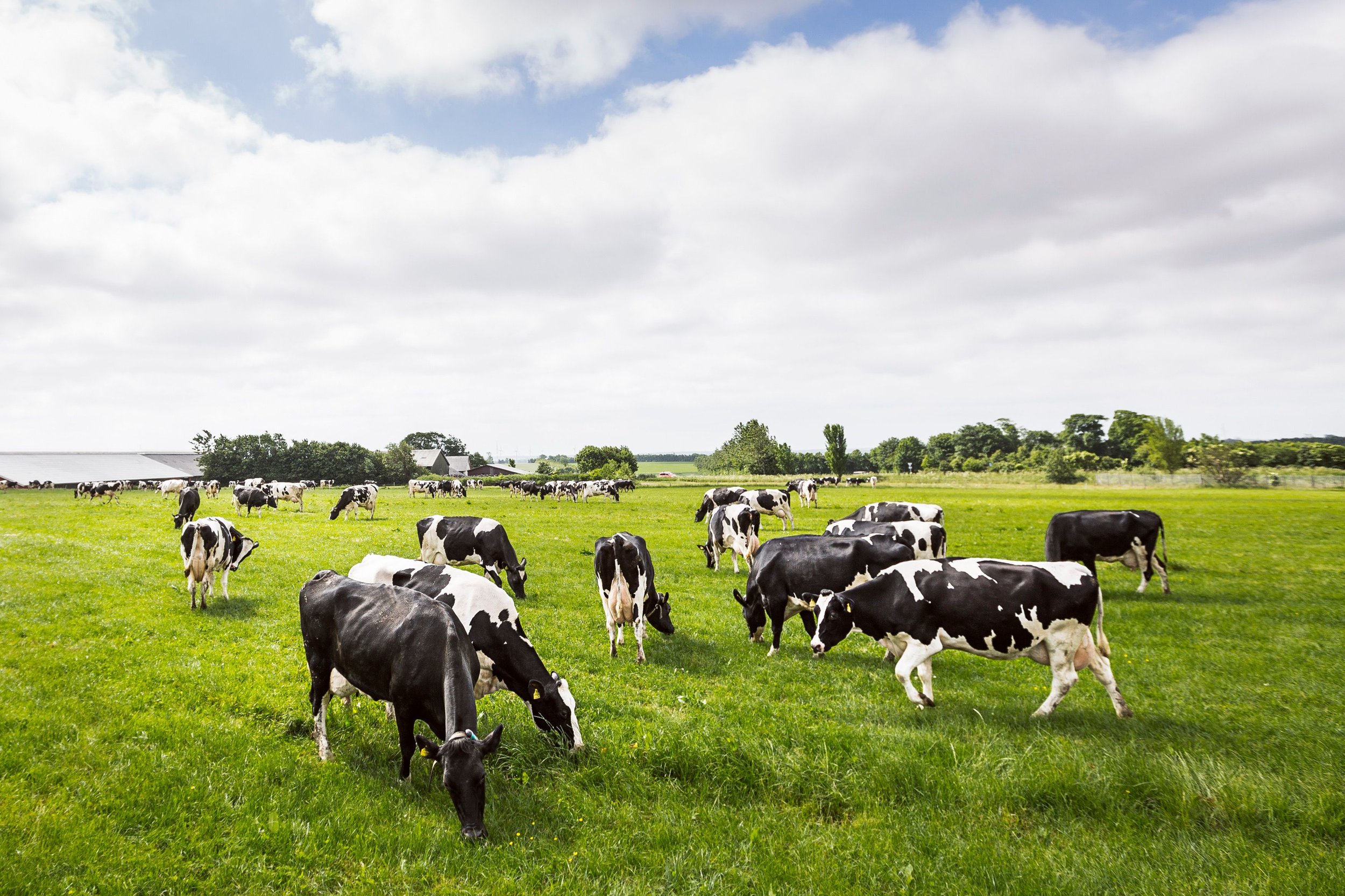
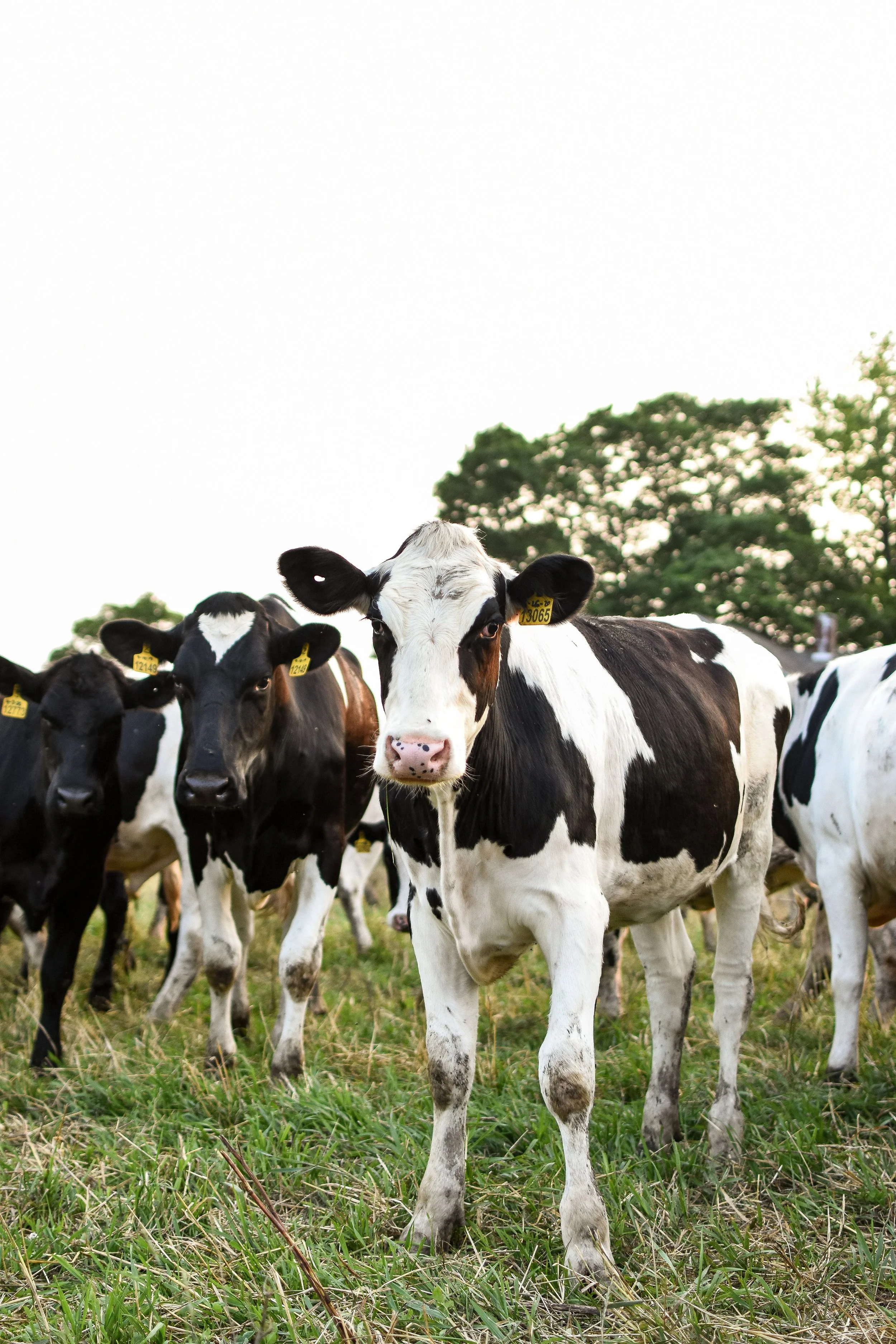
Not necessarily. Organic and regular milk can come from the same dairy cow breeds. The difference is not the breed of cow. The difference is how the farm is managed and whether it follows USDA organic certification standards.
Which is Better, Organic Milk or Regular Milk?
Choose the milk that works best for your household, values, budget, and shopping habits.
Organic milk may appeal to you if USDA organic standards matter to your buying decisions. Regular milk may be the better fit if you want the same dairy nutrition and safety in a more widely available or cost-conscious option.
Either way, you are still choosing real milk or lactose-free milk, both of which provide important nutrients that support a balanced diet.
Organic milk and regular milk are both nutritious, safe, and high-quality choices. The biggest difference is not in the nutrition in your glass. It is in the farming practices behind the label. Organic milk meets USDA organic standards, while regular milk comes from conventional farms that operate under established dairy safety systems. Organic milk also often lasts longer because of its processing.
When deciding between organic and regular milk, the answer is simple: read the label, know what matters most to you, and choose the milk that best fits your family.
FAQs on Organic Milk vs. Regular Milk
Q: Is organic milk healthier than regular milk?
A: No. Organic and regular milk offer the same core nutrition, safety, and quality.
Q: What is the main difference between organic milk and regular milk?
A: The main difference is farming practices, including feed, pasture access, and organic certification standards.
Q: Why does organic milk last longer?
A: Organic milk often lasts longer because it is commonly processed with ultra-high-temperature pasteurization.
Q: Is organic milk pasteurized?
A: Yes. Organic milk is pasteurized.
Q: Is grass-fed milk the same as organic milk?
A: No. Grass-fed and organic describe different production practices.
Q: Do organic and regular milk come from different cow breeds?
A: Not necessarily. The same dairy cow breeds can be used in both systems.
Q: Is regular milk safe?
A: Yes. Regular milk is produced under strict milk safety standards.
Q: Which should I choose, organic or regular milk?
A: Choose the one that best fits your preferences, values, availability, and budget.
Know what is behind the label and choose your milk with confidence. For more information on milk and other dairy products, read The Dairy Alliance’s blog. You can also learn more specifically about conventional and organic dairy farming to understand why it is so important to the economy and health of our country.

Related Posts