See Dairy Differently with the de Jongs of Working Cows Dairy

Dairy farming comes in all shapes and sizes, and the de Jong family of Working Cows Dairy in Slocomb, Alabama, contributes their own unique dairy story to an industry working towards regenerative agricultural practices. Their sustainable practices are unique to their location.
For example, pasture-based dairies are possible in the Southeast because of the ability to grow crops year-round, with ample rainfall and land management practices that protect soil health and water quality. With an average annual rainfall of 57 inches, Southern Alabama is uniquely positioned for pasture-based dairy farms. This high rainfall amount provides irrigation for crops to grow as nutrition for the cows.
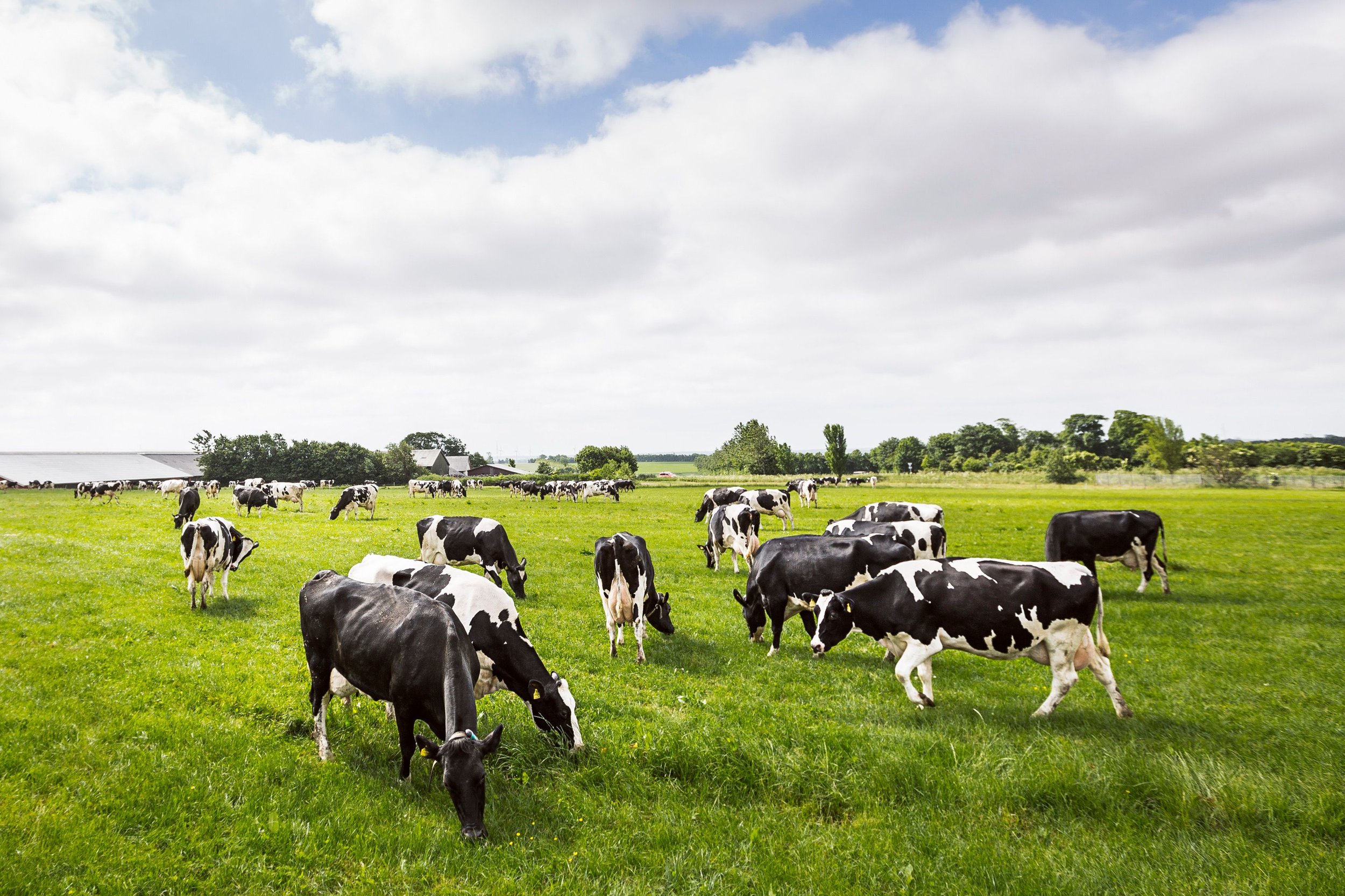
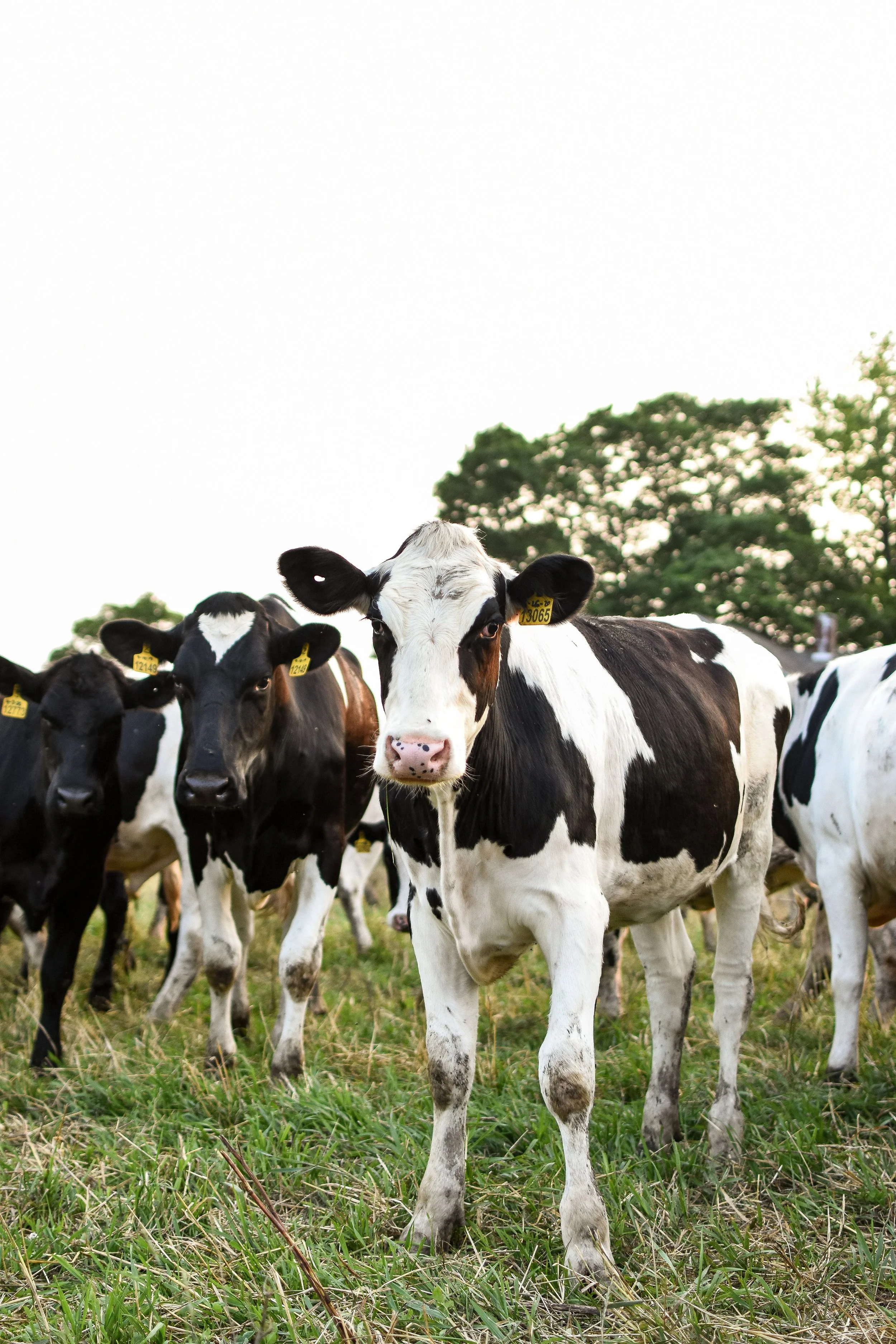
The cows at Working Cows are 100% grass-fed as of 2015. One hundred milking cows are part of their pasture-based rotational grazing system. Rotational grazing has many benefits for the cows and the land. Working Cows rotate the herds to a new pasture every day. Moving the herd into smaller areas more frequently provides fresh forage or grass for them to graze while giving the land time to recover. This management system improves soil structure, biodiversity, organic matter, and carbon sequestration. When you have better soil structure and covered ground, that reduces runoff and improves water quality in local waterways.
And using a pasture system provides new opportunities for cow comfort. Though the cows spend their evenings in a barn, they can enjoy the pasture during the day. Fresh water and additional feed are available to cows in the field. While there is natural shade, farmers can provide additional coverage to keep cows cool and comfortable.
How they dairy farm is unique, too. The dairy is operated by the de Jong family. Working Cows Dairy is committed to environmental sustainability, but they can only do that if they are financially successful and can stay in business. This is one of the reasons the family decided to process their milk to sell directly to consumers. This allows the family to set their own price, find new markets, and shift products according to consumer demands.
The de Jongs left the Netherlands in 1985 to begin a dairy. Several years later, they moved to Alabama. The family decided to switch to producing organic products and all cows and land have been Certified Organic since late 2009. In 2010, the dairy began bottling its own milk instead of sending it to a nearby facility. While Rinske's husband Jan works off the farm for supplemental income, sons Johnny and Mendy help on the property, with Johnny running the bottling facility and Mendy running the day-to-day operations on the farm. They offer fresh dairy products to their community on an honor-based system at their “farm fridge,” a testament to their dedication to their community, as well as their business and community.
Rinske produces award-winning cheese from the fresh milk, starting in 2017 with raw milk before recently switching to pasteurized milk cheese. Cheesemaking with pasteurized milk begins by heating the milk with a culture of beneficial bacteria. Rennet is added to form curds and whey. Most of the art of cheesemaking is in how the curds are used to create the final cheese product, and Working Cows know how to produce incredible cheese from those curds--Working Cows sold over 14,000 pounds of cheese in 2023!
“We take care of our cows in the first place. We don’t eat until our cows are taken care of. It’s more than being regenerative,” summarizes Rinske of their efforts.
To learn more about sustainability efforts on dairy farms, visit our Sustainability and the Dairy Industry section. This article is part of an ongoing video series. Follow along on our social media channels as we talk to Southeast dairy farmers about their work.
Related Posts