What Does Responsible Dairy Farming Look Like Today?
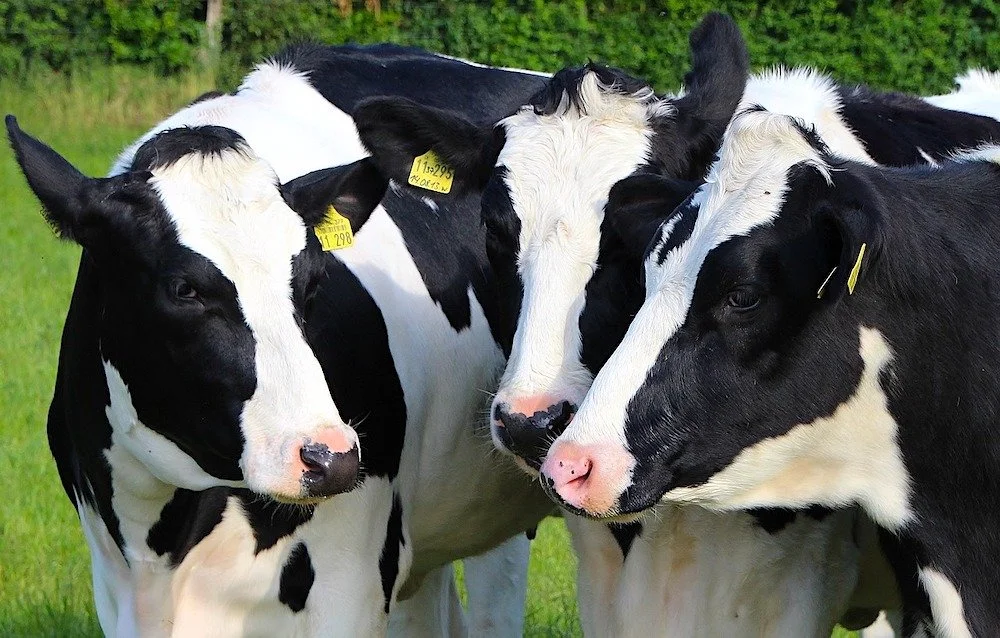
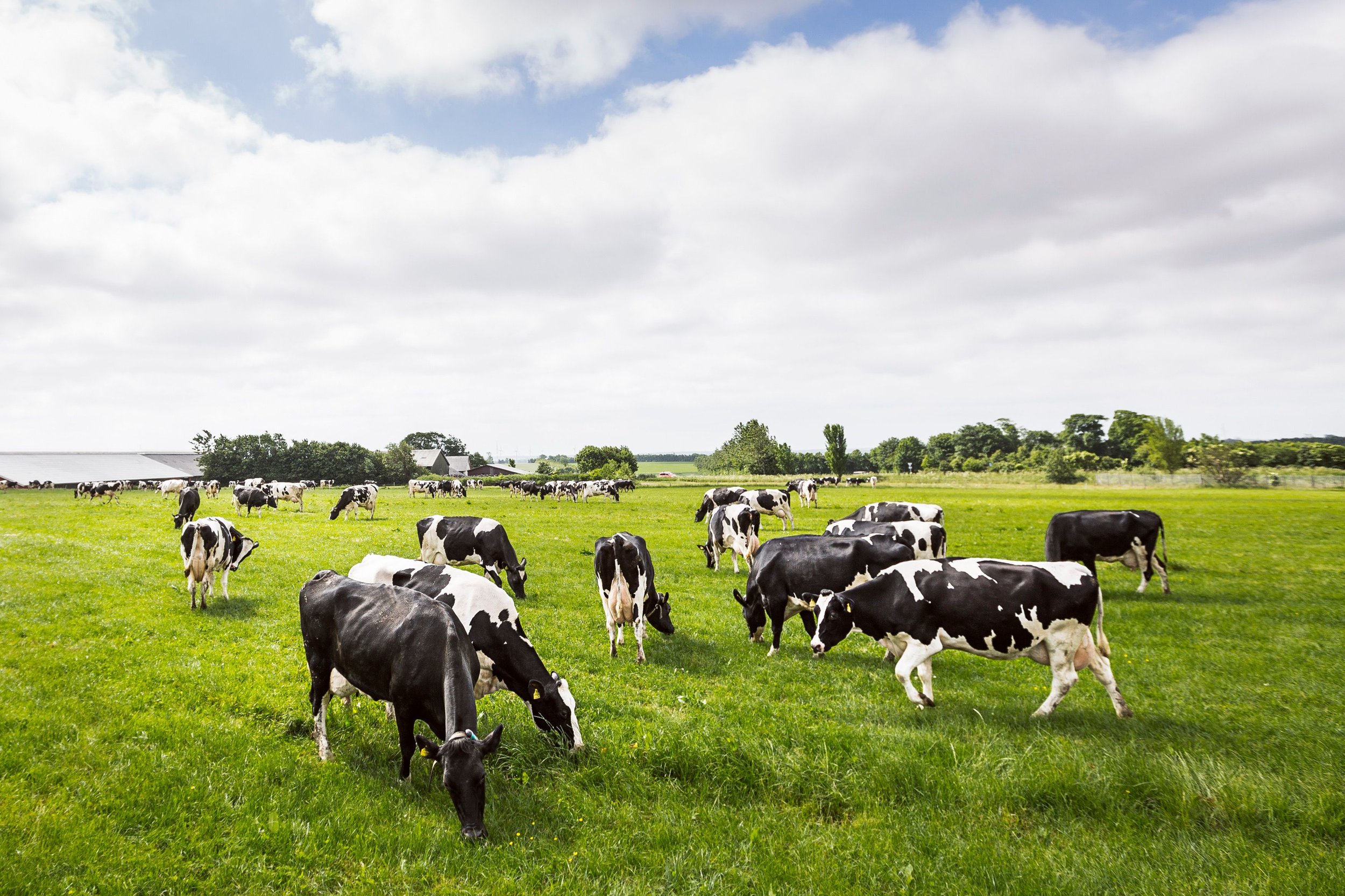
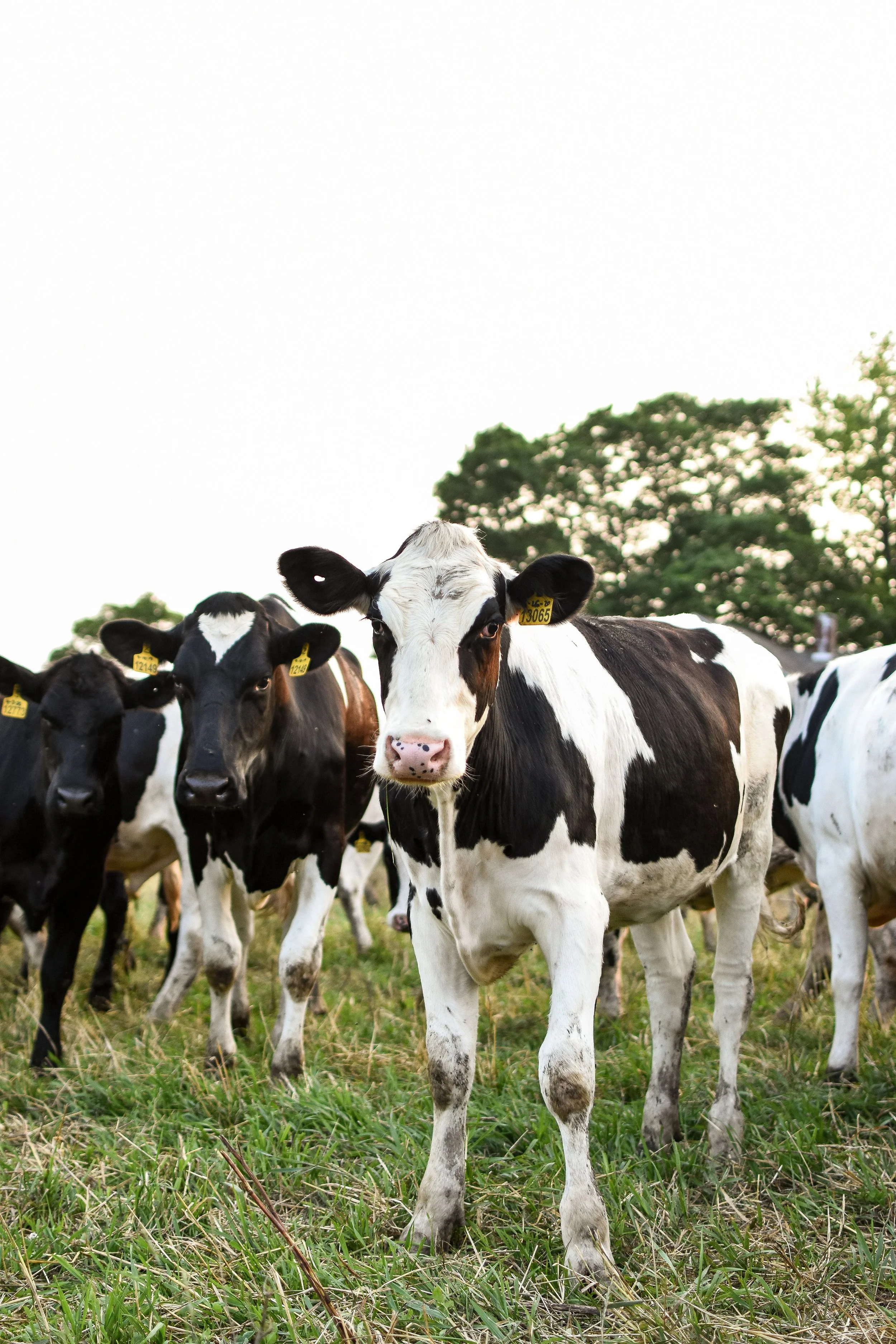
Modern dairy farming has come a long way. Dairy farmers work hard so their dairy cattle lead comfortable, safe, and happy lives.
Megan Clark, a female dairy farmer in Georgia, is measuring sustainability to strengthen the future.
Environmental assessments and grant funding matter for modern dairy farms.
Godfrey Dairy is investing in efficiency, cow care, and the next generation.
What Does Responsible Dairy Farming Look Like Today?
At Godfrey Dairy in Madison, Georgia, it looks like data sheets and milk tanks. Environmental assessments and energy-efficient upgrades. It looks like measuring carbon scores and investing in equipment that cools milk faster while using less power.
So as the sun rises over nearly 2,000 acres in Madison, Georgia, each morning, Megan Clark is already thinking about the future.
Megan Clark stands at the forefront of a new generation of female dairy farmers. With 2026 designated as the Year of the Female Farmer, her work highlights how sustainability, innovation, and stewardship are shaping the future of dairy farms in the Southeast. Megan represents a growing number of women in agriculture who are blending tradition with innovation. At Godfrey Dairy, responsible farming isn’t about doing what’s always been done. It’s about measuring, improving and planning intentionally for what comes next.
That mindset is shaping how this female-owned and operated dairy invests in sustainability, animal care, and long-term success.
Who Is Megan Clark of Godfrey Dairy?
Godfrey Dairy is a female-owned and operated dairy farm in central Georgia. Leading a farm of this size requires daily decisions that affect animals, land, employees, and the broader community. That means paying attention to the details like cow comfort, feed management, energy use, and environmental impact .
For Megan, responsible dairy farming isn’t about standing still. It’s about understanding where the farm is today and making informed investments for tomorrow. Every business decision Megan Clark makes has to help pass the dairy farm down to the next generation.
And so, for Megan, sustainability is part of running a successful dairy.
Why Does Measuring Matter for Modern Dairy Farming?
“I have been told before you can never manage what you don't measure,” says Megan of farm assessments.
That belief is what led Megan to participate in a voluntary environmental assessment, also known as a roadmap assessment.
“It is one of the reasons that I was happy to volunteer for the road map assessment,” she explains. “We've been working with The Dairy Alliance to develop a roadmap for the state of Georgia to determine what would be some of the practices and technologies that might help these dairies become more environmentally sustainable and also to help them stay economically viable.”
The assessment process takes a comprehensive look at how a dairy operates. This type of evaluation helps farmers identify strengths and opportunities.
For Megan, understanding her farm’s carbon footprint was especially important.
“One of the reasons that I was happy to volunteer on the road map assessment is to learn what our carbon score is and that's just something that we have never known. Clearly, it takes a lot of digging and a lot of data for somebody to work through.”
As sustainability becomes more central to food production, that information matters.
How Do Grants and Innovation Support Sustainable Dairy Farming?
Investing in dairy sustainability often requires significant resources. In 2023, Georgia was included in the Southeast Dairy Business Innovation Grant program for the first time.
Megan applied and was able to obtain a new chiller with the grant program. The new chiller improved both efficiency and milk quality. The upgrade also reduced energy use.
“As milk temperature reaches up, a compressor may come on, but if we don't need it, the compressor cuts off. So we're not having a bunch of equipment running when we're not needing it to run. It's just saving power.”
“Going from running 11 compressors to running 2, everything here is full circle.”
Megan is quick to acknowledge the competitive nature of grant funding.
“I'm really thankful for that grant. And the process was writing the grant, getting a couple reference letters. It is very competitive, but I will continue to submit.”
What Does Environmental Stewardship Look Like on the Farm?
Sustainability at Godfrey Dairy is designed to work as a system.
“When you're flushing with wastewater that goes back into a lagoon that's being irrigated, then we are fertilizing fields with manure. We're growing crops and then turn around and feed them to the cow. So every piece of waste here is put back into the land.”
This full-circle approach reflects how modern dairy farms balance environmental stewardship, animal care and economic viability.
Investing in cow comfort, nutrition, and efficiency isn’t just about productivity. It’s about strengthening the farm for the future.
As we recognize women in agriculture this March, Megan Clark represents the leadership and innovation shaping today’s dairy farms. By measuring impact, investing in new technology, and planning intentionally, she is helping ensure Godfrey Dairy remains strong for the next generation.
Related Posts