Where Does Your Milk Come From? How to Trace Your Milk From Our Farm to Your Family
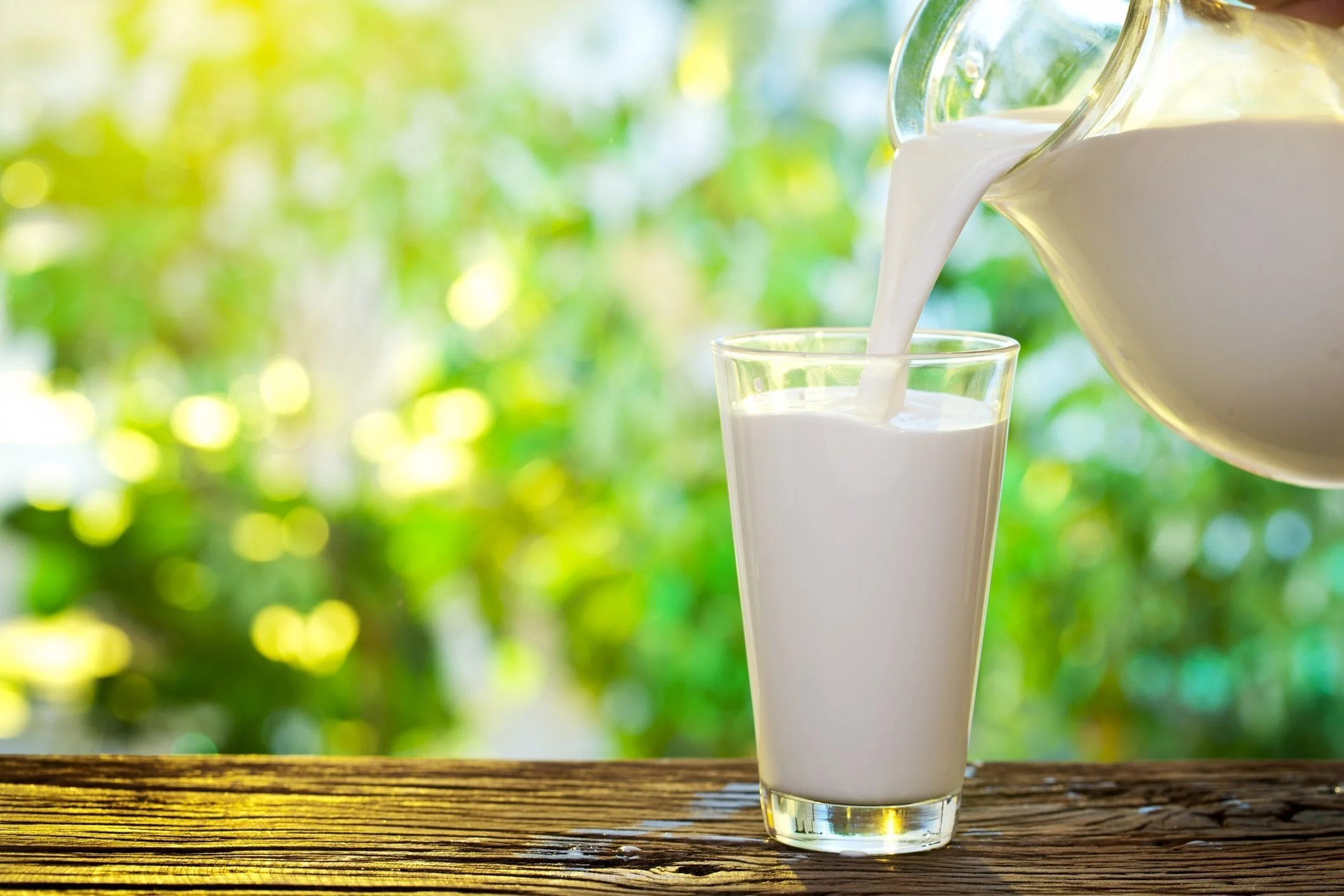
When you pour a glass of milk, you probably aren't thinking about its road trip. Often, the furthest into milk’s journey we consider is when we pull it off the grocery store shelf.
Real dairy milk has a story that often starts surprisingly close to home. When it comes to your milk, know it is local.
Milk can go from a dairy farm to the grocery store in about 48 hours, depending on the product and where it is processed. Along the way, it is kept cold, tested for quality and safety, and processed before it reaches your grocery store.
And if you're curious about where the milk in your refrigerator actually came from, there's an easy way to find out.
How Does Milk Get From the Farm to the Grocery Store?
The journey starts on the dairy farm.
Dairy farmers milk their cows and quickly cool the milk before it is stored in a refrigerated tank. From there, milk is transported to a processing facility, where it is tested and undergoes processes such as pasteurization and homogenization before being bottled and sent to retailers.
Some dairy farms take an even more direct route. Farms that process their own milk can bottle fluid milk or turn their milk into products such as cheese, ice cream, yogurt, or butter right on the farm. These farms are sometimes called producer-processors.
No matter the route, temperature control, testing, and processing are important parts of getting quality dairy products from the farm to your refrigerator.
Local Dairy Farmers Are Part of the Journey
And for Tennessee families, that journey often starts right in the Volunteer State.
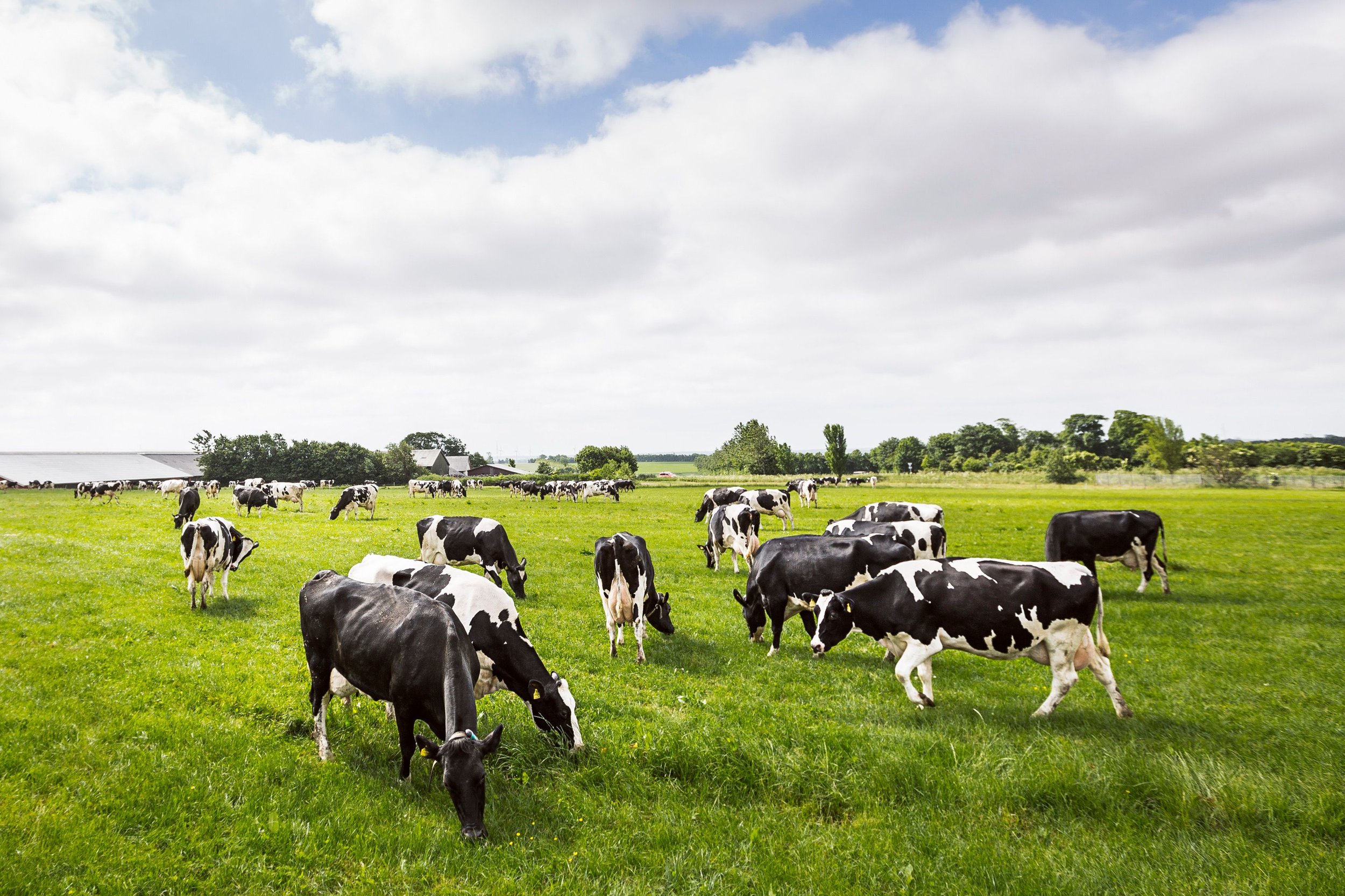
From Our Farm to Your Family highlights the impact of local Tennessee dairy farmers and their products within their communities. Tennessee is home to dairy farm families who care for their cows, manage their land, and work to produce milk and other dairy products for communities. Here are a few of the local dairy farms making the milk we all enjoy.
Sweetwater Valley Farm
The Harrison family has connected with their community in several ways. At Sweetwater Valley Farm in Philadelphia, TN, the journey from farm to family looks a little different. In addition to the real dairy milk it sends out, the farm also processes and sells its own dairy products. Using milk from their own dairy cows, the Harrisons created a variety of cheddar-based cheeses that can be bought on their own or from their cafe in their grilled cheese sandwich options. From caring for the cows and growing their feed to making and packaging the cheese, it’s a true farm-to-table experience they are proud to share with the community.
Lee Family Farms
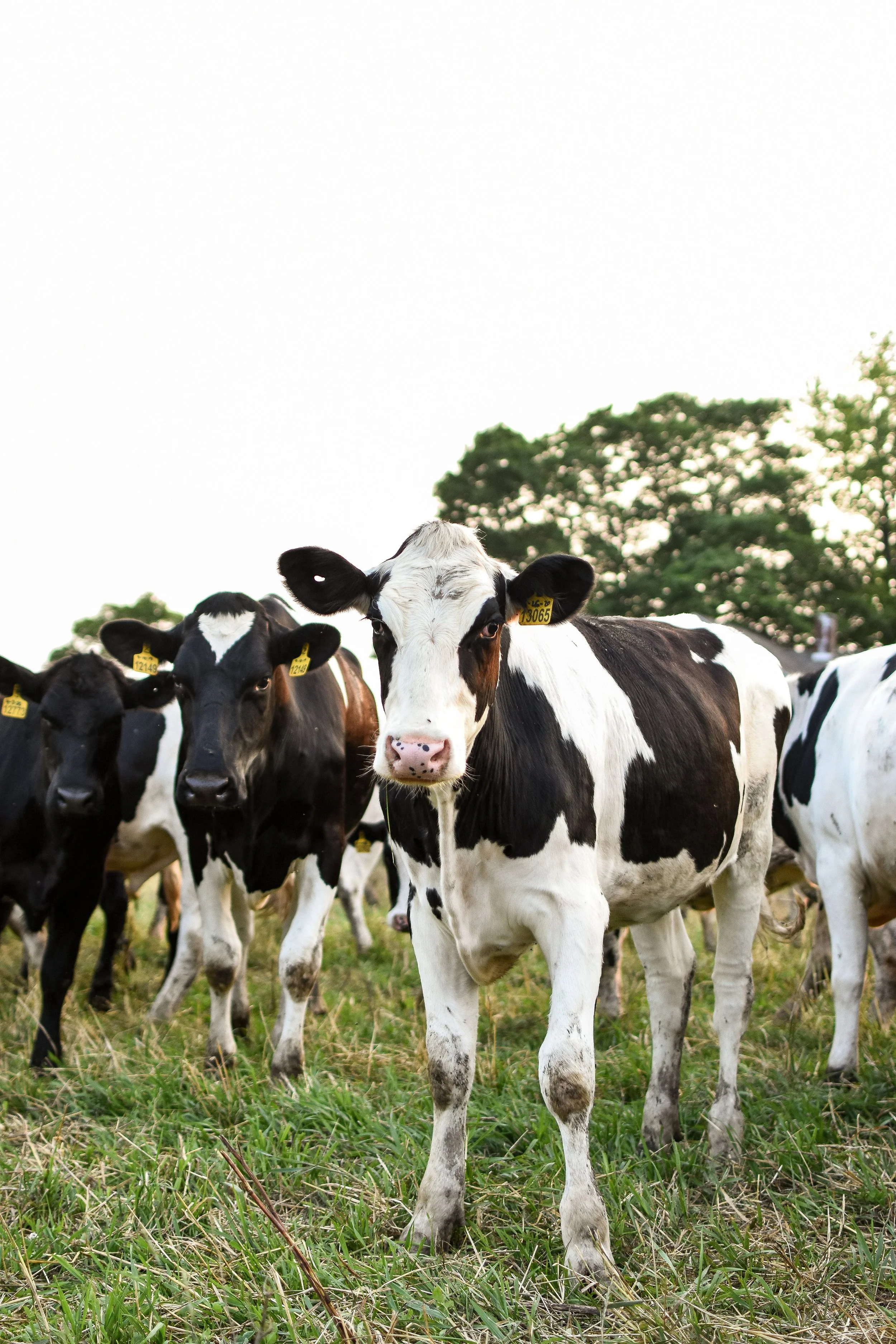
Lee Farms in Englewood, TN, is home to five generations of dairy farmers. Steve Lee is the third generation to farm there and produce real, high-quality dairy milk. It’s a big job, so his children are helping him out. The farm is home to Holstein and Jersey cows. The family also grows several hundred acres of crops, including corn, soybeans, and wheat.
Davis Brothers Dairy
At Davis Brothers Dairy, also in Philadelphia, TN, producing milk is part of a family farm operation rooted in Tennessee. Samantha Craun works with her family on the dairy farm that her late father, Randy Davis, and his brother started in 1984. They strive to be better at everything they do and to become more efficient. She hopes to continue her father’s legacy of promoting Tennessee’s dairy industry and connecting the dairy farm to its neighbors.
These farms are different, but they share something important: there are real people behind the dairy products on store shelves.
How Can I Find Out Where My Milk Comes From?
To learn more about your specific jug of milk, look for the plant code printed on your milk container. These codes are typically found near the top of the container, on the lid or near the label. The code generally begins with two numbers, followed by additional numbers or letters.
Once you've found the code, enter it into the Where Is My Milk From? tool to find the processing plant associated with your dairy product.
Find out where your milk comes from
Does the Milk Code Tell Me Which Farm My Milk Came From?
No, this code identifies the processing plant. However, you can use this to discover the local dairy farms that produce and send real dairy milk regularly.
Where Can I Find the Milk Code on My Milk Jug?
Start by looking near the top of the container, on the lid or around the label. The code is often near the sell-by or use-by information.
A few tips:
The code typically starts with two numbers between 01 and 56.
The rest of the code can include numbers, letters, or a dash.
If you see a colon, keep looking—that isn't the plant code.
Not every dairy product will have a code that works with the tool, and some products may not be included in the database.
Why Does Knowing Where Your Milk Comes From Matter?
Knowing where your dairy comes from can help you better understand the journey from farm to grocery store.
It can also help you discover the dairy farms and processing facilities that are part of your local food system.
And if you're looking specifically for Tennessee dairy, don't stop at the milk aisle. Look for Tennessee dairy brands and products at your local grocery store, farm store, or farmers market, and check out products made by Tennessee dairy farms.
Frequently Asked Questions About Where Milk Comes From
How long does it take milk to get from the farm to the grocery store?
Milk can travel from the farm to the grocery store in about 48 hours, although the exact timeline varies based on the farm, processor, product,and distribution route. Milk is generally kept refrigerated throughout the process.
Is all milk processed at a dairy farm?
Many dairy farms send milk to processing facilities, where it is tested and processed. Some farms process milk on the farm and sell products such as bottled milk, cheese, or ice cream.
How do I know if my milk is from Tennessee?
Check the plant code on your milk container and enter it into the Where Is My Milk From? tool. The result can tell you which processing plant is associated with the code.
What does the code on a milk jug mean?
The code is a plant identification code that can be used to identify the processing facility associated with the dairy product. It is typically printed near the top of the container, on the lid, or near the label.
Where can I find Tennessee dairy products?
Look for Tennessee dairy products at grocery stores, farm stores, farmers’ markets, and other local retailers. Some Tennessee dairy farms also process their own milk into products such as bottled milk, cheese, and ice cream.
From Our Farms to Your Family
The next time you reach for a jug of milk, take a second look at the container.
You might be able to trace its journey back to the processing plant and discover a little more about the dairy industry behind one of the most familiar products in your refrigerator.
And if you're looking for Tennessee dairy, start local. Get to know the farmers, farms, and dairy products that help make up Tennessee's food system.
Are you curious where the milk in your fridge started? Find the code and see where it leads.
Related Posts