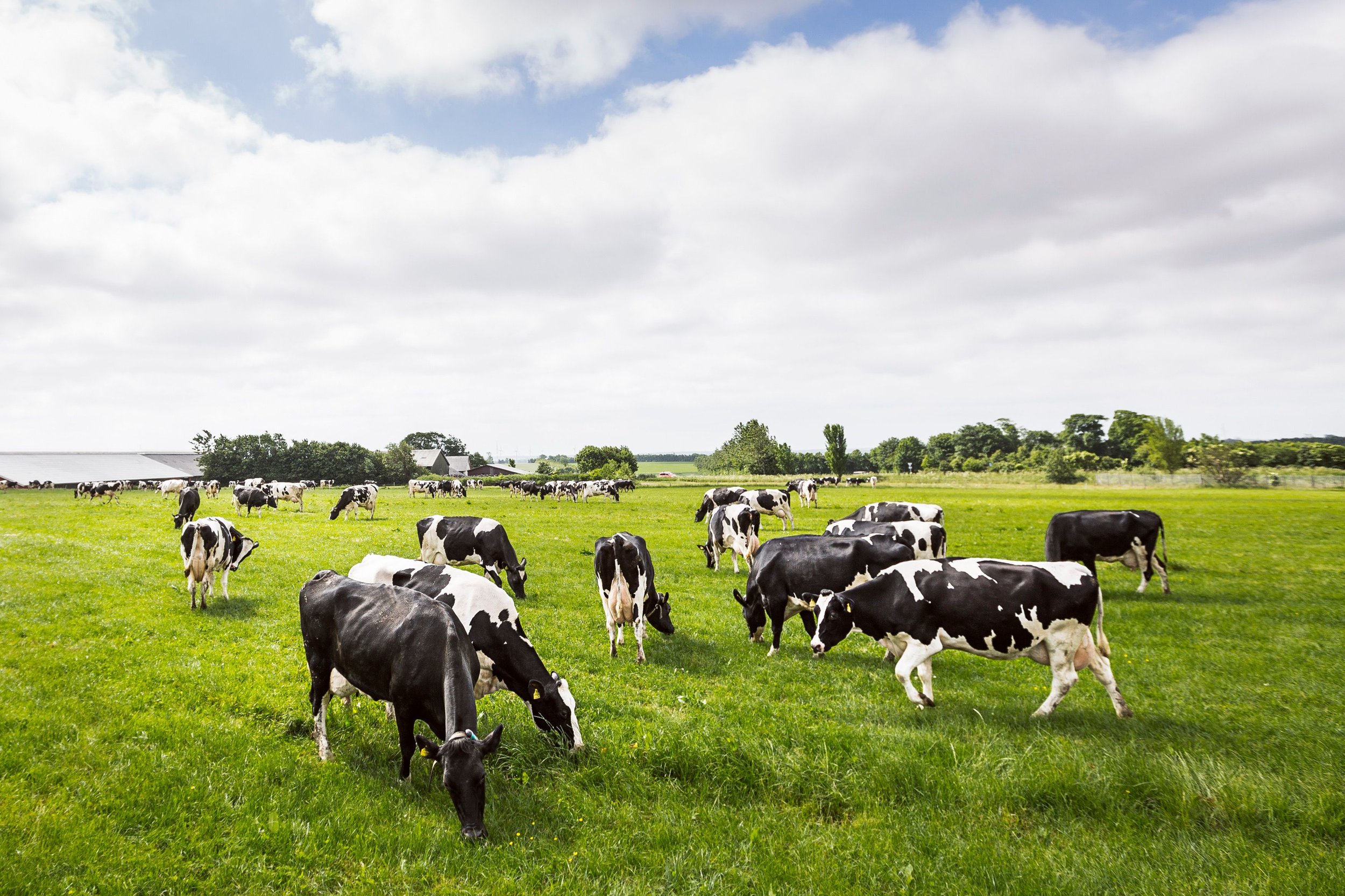
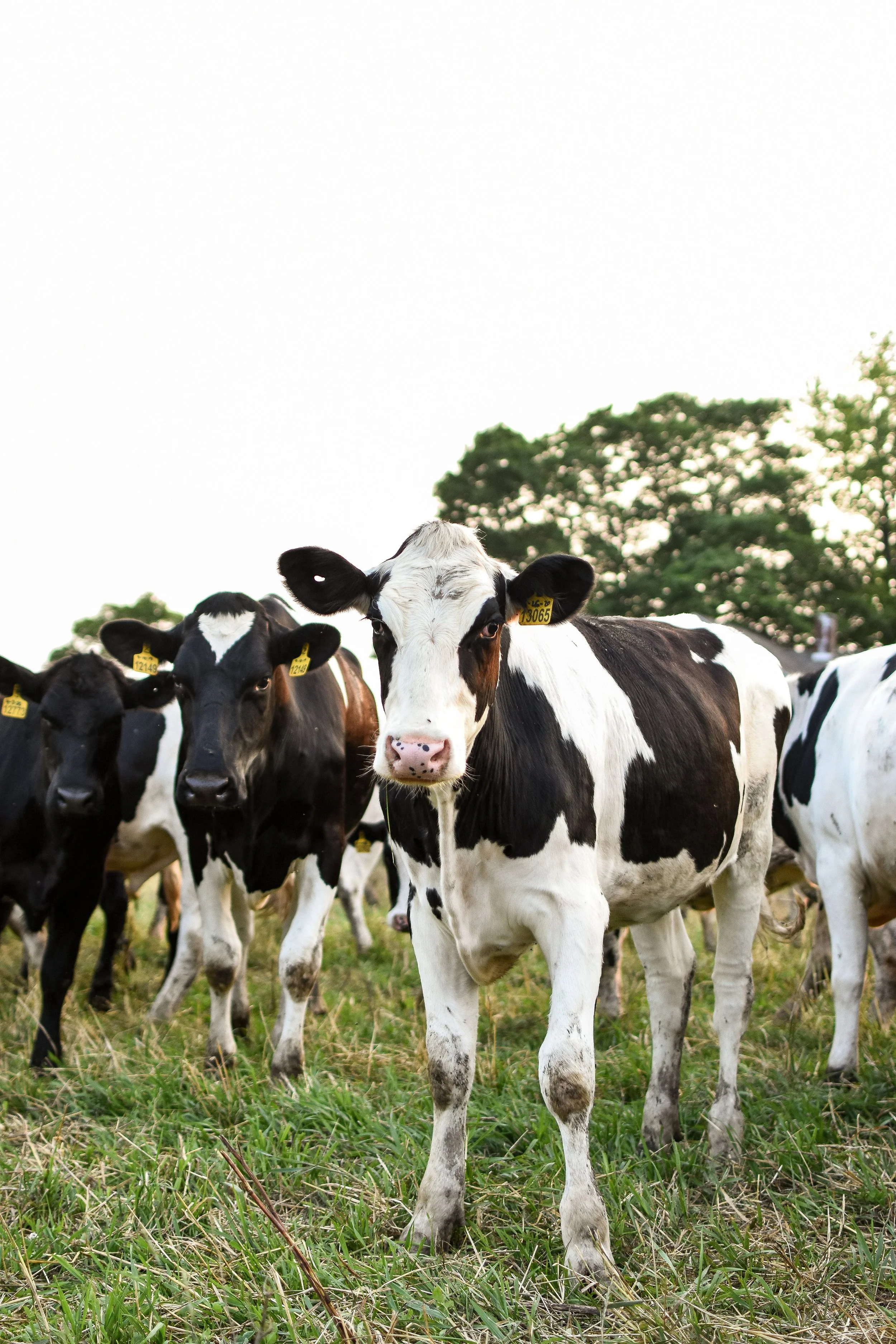
Yes, dairy cows are different from other cattle, but not because they are a different species. Dairy cows and beef cattle are both cattle. The main difference is what they have been bred for over time. Dairy cows are bred for milk production, while beef cattle are bred more for muscle and meat production. That is why dairy cows often look leaner and more angular, while beef cattle usually look stockier and more muscular.
People also notice differences in coat color, size, and body shape. A black-and-white Holstein looks very different from a solid brown Jersey or a muscular beef breed, but they are all still cattle. What changes most are the breed, the animal's purpose, and the traits farmers select for over generations.
Key Takeaways on How Dairy Cows are Different from Other Cows
Dairy cows and other cattle are the same species, but they are bred for different purposes.
Dairy cows are bred for milk production, while beef cattle are bred more for muscle and meat.
All dairy cows are female, and bulls do not produce milk.
A cow must have had a calf before she can produce milk.
Different dairy breeds may look different, but they all produce the same real milk used in dairy foods.
What Makes a Dairy Cow Different?
The biggest difference is purpose. Milking cows are bred to produce large amounts of milk. Beef cattle are bred to develop more muscle and body mass.
As a result, dairy cows often have a leaner frame, a more angular shape, and a more developed udder. Beef cattle tend to look broader, thicker, and more muscular. These differences do not mean one is healthier than the other. They simply reflect the job each type of animal has been bred to do.
Are Dairy Cows a Different Species or Breed?
No. Dairy cows are not a different species from other cattle. They are all cattle. The difference comes from breed and genetics, not from being a completely different kind of animal.
That is similar to how different dog breeds can look very different but still all be dogs. With cattle, breed affects body shape, coat color, and traits such as milk production or growth.
Why Do Dairy Cows Look Different?
Dairy cows can look different for several reasons, including breed, genetics, and selection for milk production over time.
Some of the most recognized dairy breeds include Holsteins, which are often black and white, and Jerseys, which are usually light to dark brown. Other dairy breeds may be white, red, or a mix of colors. That is why some dairy cows are spotted while others have a solid coat.
Milking cows also often look less muscular than beef cattle because their bodies are geared more toward producing milk than building muscle.
Do Dairy Cows Have Fur or Hair?
Cows have hair. Many people casually say 'fur,' but 'hair' is the more accurate word. This is not a major difference between dairy cows and other cattle, but it is a common question, especially for people learning more about farm animals.
Are All Dairy Cows Female?
Yes. Dairy cows are female. A cow is an adult female bovine. A bull is an adult male bovine. Since milk production comes from female animals after they have had a calf, the cows in a milking herd are female.
Can Male Cows Produce Milk?
No. Bulls cannot produce milk. This is one of the most common questions people ask when learning about dairy farming. Only female cows produce milk, and they do so after having a calf. Bulls may still be present in the cattle world, but they are not part of the milking herd.
Do Cows Have to Be Pregnant to Produce Milk?
A cow must have had a calf before she can begin producing milk. Like other mammals, cows produce milk to feed their young.
After calving, a dairy cow continues producing milk for months. On dairy farms, cows are milked regularly as part of their care and management. Once that lactation cycle ends, a cow will not begin producing milk again unless she has another calf.
Can Any Cow Produce Milk?
Any female cow that has had a calf can produce milk, but not all cows are bred to produce the same amount.
Beef cows produce milk for their calves, but dairy cows are bred to produce much more milk. That is one of the main reasons dairy cattle are used in milk production. Their genetics and breeding make them better suited for that role.
Is the Milk Different Based on the Cow’s Color or Breed?
The color of the cow does not change, whether the milk is real or not. Different breeds may vary in traits such as milk volume or milkfat levels, but milking cows all produce milk used to make the dairy foods people know and enjoy.
So while a Holstein and a Jersey may look very different, both are dairy cows, and both produce milk.
Why Don’t Dairy Cows Usually Have Horns?
Many dairy cows do not have horns for safety and herd management reasons. On farms, reducing horn-related injury risk can help protect both animals and people working with them.
That is one reason many people assume dairy cows are naturally different from other cattle when they see them.
Other Common Questions About Dairy Cows
Q: What is the main difference between dairy cows and beef cattle?
A: Dairy cows are bred for milk production, while beef cattle are bred more for muscle and meat.
Q: Do cows have to have a calf before producing milk?
A: Yes. A cow begins producing milk after having a calf.
Q: Can any cow produce milk?
A: Any female cow that has had a calf can produce milk, but dairy cows are bred to produce much more.
Q: Why do dairy cows look thinner than beef cattle?
A: Dairy cows are bred for milk production, not for heavy muscle development.
Q: Does the breed or color of the cow change the milk?
A: Breed can affect traits like milk volume, but dairy cows all produce real milk.
Dairy cows are different from other cattle in purpose, body type, and breeding, but they are not a different species. Dairy cows are female cattle bred for milk production, while beef cattle are bred more for muscle and meat production. That is why dairy cows often look leaner, have more visible udders, and belong to recognizable dairy breeds like Holsteins and Jerseys.
Once you understand breed, purpose, and milk production, dairy cows make a lot more sense. They are cattle, just specialized for a different job. Learn more about dairy farming and get closer to the cows, farmers, and facts behind real milk.
Related Posts