How Milk Whey and Casein Can Fuel Your Day (and Night!)

More and more people are turning to high-protein diets to fuel their everyday lives. Whether you're trying to build lean muscle, manage your weight, recover faster after workouts, stay energized throughout the day, or simply feel fuller for longer, increasing your protein intake can help. That’s where milk whey and casein, the two high-quality proteins found in real dairy milk, come into the picture. These proteins are not just for bodybuilders or marathon runners. From busy parents and athletic teens to health-conscious adults and older adults looking to maintain muscle mass, casein and whey offer benefits for just about everyone.
Milk Whey vs. Casein: What’s the Difference—and Why You Might Want Both in Your Diet
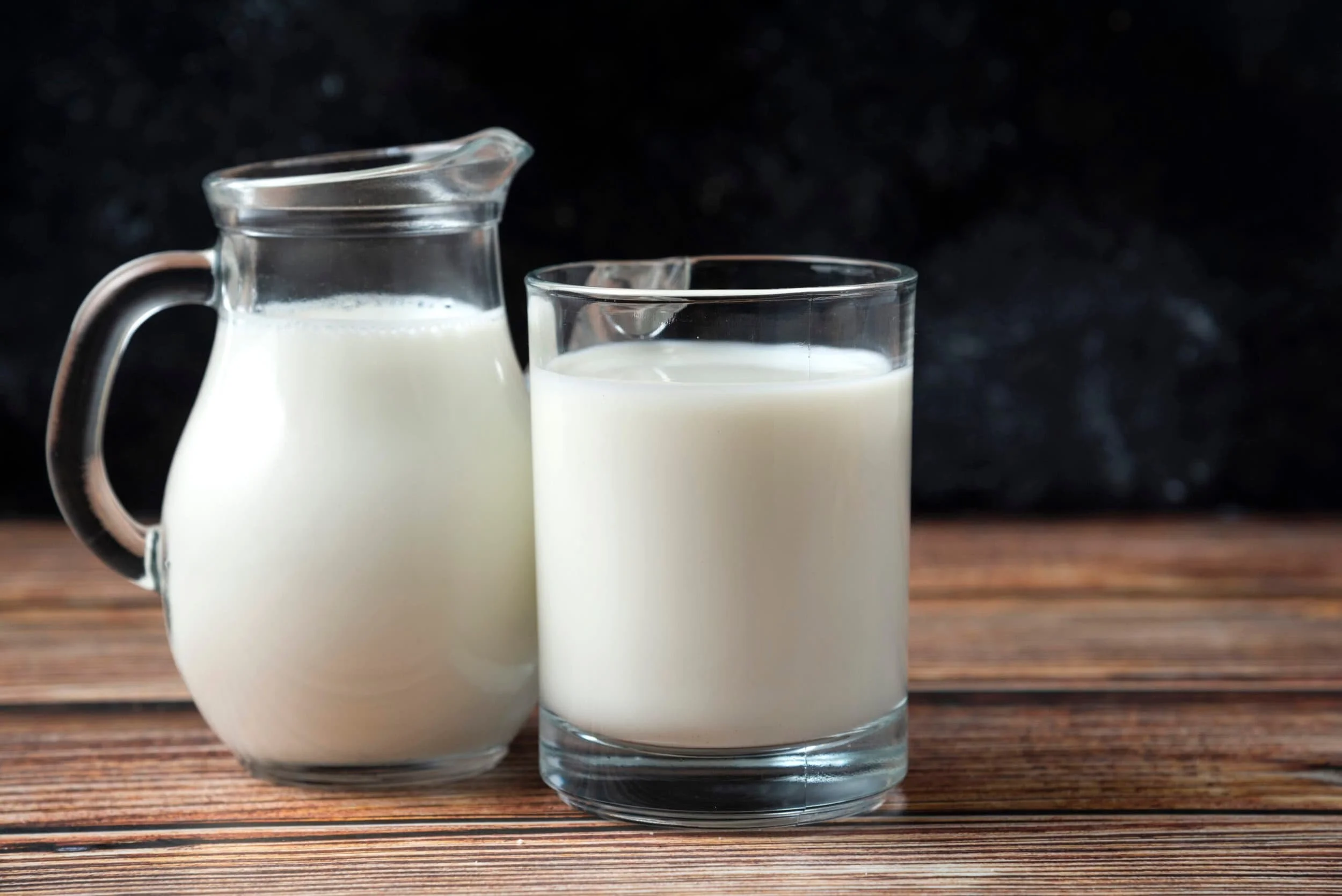
If you're starting to pay more attention to protein in your daily meals, you've probably come across the terms casein and whey. This dynamic duo of dairy protein occurs naturally in every cup of milk. In fact, real milk delivers 8 grams of complete, high-quality protein per cup, and it includes both casein and whey. While they’re often mentioned together, they’re far from identical, and understanding how they differ can help you get the most out of your protein intake. But what are they exactly? And do they really make a difference in how your body responds to protein?
Let’s break it down with everyday life in mind.
What Are Milk Whey and Casein?
Casein and whey are the two main types of protein found in dairy milk. When milk is processed to make cheese or yogurt, it naturally separates into these two components:
Whey protein: the liquid portion, which digests quickly.
Casein protein: the curd portion, which digests slowly.
Each is considered a complete protein, meaning they contain all nine essential amino acids your body needs but can't make on its own. However, casein and whey work differently in your body.
Key Differences Between Milk Whey and Casein
Whey Protein
Digestion Speed: Fast (absorbs quickly)
Best Time to Use: Post-workout, morning
Satiety (Fullness): Moderate
Muscle Support: Great for muscle building
Casein Protein
Digestion Speed: Slow (gradual release of amino acids)
Best Time to Use: Bedtime, long gaps between meals
Satiety (Fullness): High—helps keep you full longer
Muscle Support: Great for muscle recovery & maintenance
Casein: The Slow-Acting Protein
Casein makes up about 80% of the protein in milk, and it’s the slower-digesting of the two. It takes its time, releasing amino acids gradually into your bloodstream, which helps nourish your muscles over a longer period.
Why is that good? The slow pace may help you feel full longer, which is helpful if you manage your weight. Or, since your body does a lot of muscle repair and rebuilding while you sleep, having high casein foods like milk or cheese before bed may support overnight recovery. Now that’s a better night’s rest.
Milk Whey: The Quick-Release Protein
Whey accounts for the other 20% of the protein in milk and it’s the fast-acting partner. It digests quickly and delivers amino acids to your muscles.
Why is that good? Whey’s speed makes it ideal for post-workout recovery when your muscles are most ready to rebuild. It’s also naturally rich in leucine, an amino acid known to promote muscle protein synthesis, helping build and preserve muscle at any age. This is why chocolate milk, which has both casein and whey, is a go-to recovery drink for everyone from pro athletes to kids after soccer practice.
Which One Should You Use—and When?
Should I choose casein or whey? You don’t have to choose just one. Your body can benefit most when you include both. Whey is ideal for the moments when your body needs fast fuel, like after a workout or as a quick breakfast boost. Casein, meanwhile, is perfect for sustained support, like before bed or during long stretches between meals. It feeds your muscles slowly over time, helping to prevent muscle breakdown.
Real Foods That Contain Casein and Whey
You don’t need to add protein powders to meals to get casein and whey. Real dairy foods like milk have both! Milk is an easy, delicious way to get both proteins into your daily diet.
Milk: A natural source of both proteins (about 80% casein, 20% whey).
Greek yogurt: Rich in protein, especially casein. This is an easy snack or addition to smoothies.
Cottage cheese: A casein-rich snack that’s creamy, filling, and surprisingly versatile.
Hard cheeses: Delicious options with casein.
Lactose intolerant? No worries! Lactose-free milk still contains these same high-quality proteins, just without the lactose.
Common Questions About Casein and Whey
Are casein and whey just for athletes?
Nope! While athletes use them to build and repair muscle, casein and whey are just as valuable for anyone wanting to stay energized, full, and strong throughout the day.
Will casein and whey help with weight management?
Yes. Protein helps curb hunger, supports lean body mass, and stabilizes energy. These are all components of managing weight healthfully.
Do I need a protein supplement?
Not necessarily. A balanced diet with dairy products like milk, yogurt, and cheese can provide plenty of high-quality protein—no shaker bottle required. If you are interested in smoothies, browse our dairy-based drinks.
Why You May Choose a Higher-Protein Diet
While most people meet their minimum protein needs, some people, like those who are more active, can benefit from a higher-protein diet that includes both fast- and slow-digesting sources. Here’s why:
Protein helps preserve lean muscle as we age.
Protein supports weight management by increasing satiety and reducing cravings.
After exercise, consuming fast-acting protein like whey helps repair and rebuild muscle.
Combined with other exercise like resistance training, a higher-protein diet can enhance muscle growth and strength.
Casein + Whey = Everyday Protein Power
Protein matters for your day. Understanding the role of casein and whey in real milk makes it easier to support your health goals—no powders or fancy supplements required. By incorporating both casein and whey into your diet, you're giving your body the tools it needs to stay strong, recover well, and feel full and focused for whatever your day throws at you. The next time you pour a glass of milk, blend a smoothie, or reach for cheese and crackers, remember you’re giving your body the fuel it needs to stay strong, satisfied, and energized all day long. You’re doing something great for your body that tastes great, too.
Related Posts