What Is Whey Protein and How Can You Use It in Meals?

Whey protein appears on ingredient lists, nutrition labels, and recipes, but it is not always clear what it is or how to use it. The Dairy Alliance explains where whey comes from, the types of whey products you may see, and practical ways to use them in everyday meals.
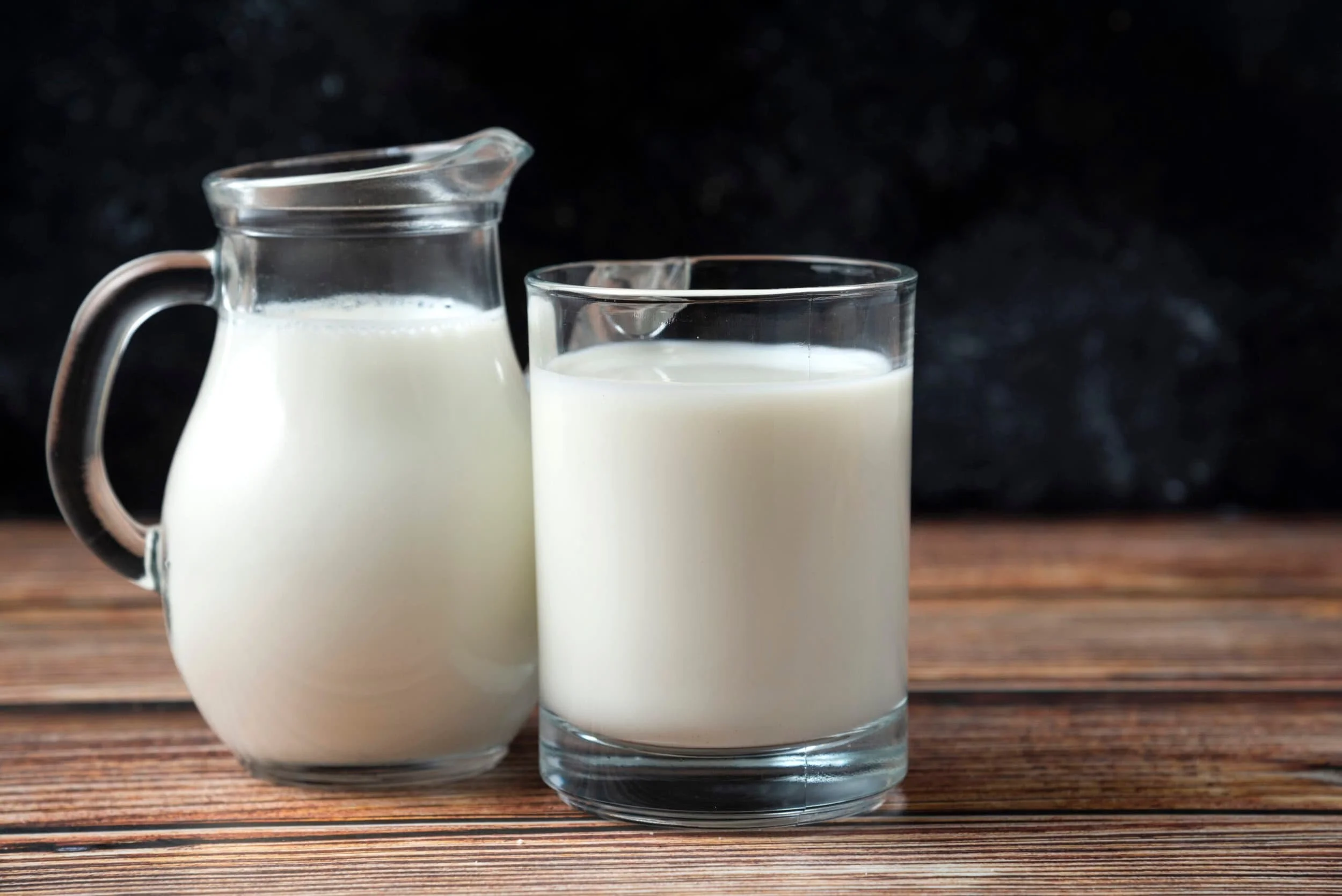
Whey is the liquid portion of milk that separates from the curds during cheesemaking. It can be processed into whey protein powder, whey protein concentrate, whey protein isolate, and other ingredients. Because whey comes from milk, it is a dairy product.
Whey products can be used in smoothies and shakes, as well as oatmeal, soups, sauces, dips, pancakes, muffins, and other foods. The sections below explain common whey products and how they may fit into meals.
Whey Protein at a Glance
Whey is a dairy protein produced during cheesemaking.
Whey products include whey protein concentrate, whey protein isolate, and hydrolyzed whey protein.
Whey can be used in much more than smoothies, including oatmeal, soups, sauces, dips, baked goods, and pancakes.
Whey is a complete protein. A complete protein contains all nine essential amino acids.
Some whey products may be easier for some people with lactose intolerance to tolerate, but whey is not dairy-free and should be avoided by people with a dairy allergy.
What Is Whey Protein?
Whey is the liquid portion of milk that separates from the curds during cheesemaking. For a long time, whey was often treated as a byproduct, but today it is widely recognized as a valuable dairy ingredient because it contains protein and other milk components. Whey can be filtered, pasteurized, and dried into powders that are then used in foods, beverages, and recipes.
Whey protein is especially well known for being a complete protein (a source of all 9 essential amino acids the body needs).
Is Whey Dairy?
Yes. Whey is dairy because it comes from milk. If a product contains whey protein, whey powder, whey protein isolate, or whey protein concentrate, it is not dairy-free.
This is an important distinction for people reading labels. Some people with lactose intolerance may tolerate certain whey products better than others, especially more filtered forms like whey protein isolate, which usually contains very little lactose. But people with a milk allergy should avoid whey because it is a milk-derived ingredient.
What Is Whey Protein Made Of and How Is It Made?
Whey is created when milk coagulates during cheesemaking. The solids become curds, which are used to make cheese. The remaining liquid is whey. That whey can then be pasteurized and further processed into different ingredients, including protein powders and dairy food ingredients used in many packaged foods and recipes.
Processing methods help determine the type of whey product produced and the amounts of protein, lactose, and other components that remain in the final ingredient.
Common Types of Whey Products
Whey products are ingredients made from the whey portion of milk. The most common include whey protein concentrate, whey protein isolate, and hydrolyzed whey protein.
Whey protein concentrate is high in protein but usually still includes some lactose and fat. Whey protein isolate is processed further and typically contains more protein and less lactose. Hydrolyzed whey protein is broken down further to support faster digestion and easier mixing in some products.
Whey ingredients are also used in a wide range of foods, including dairy products, dry blends, baked goods, frozen desserts, nutrition bars, prepared mixes, and beverages.
Why Whey Can Be Useful in Everyday Meals
Many people use whey products because they offer a convenient source of high-quality protein. Whey is often associated with active lifestyles, but it is not only for athletes. It can also be a practical way to add protein to meals and snacks throughout the day.
Whey ingredients are also valued for their functionality in food. They can blend smoothly into liquids, enhance texture, and add protein to recipes without dramatically altering flavor.
How to Use Whey Protein in Everyday Meals
Whey products can fit into everyday meals in simple, practical ways. Unflavored or lightly flavored whey protein powders are often the easiest to use in recipes because they blend into foods more naturally.
Smoothies and Shakes
This is the most familiar use. Blend whey protein into smoothies or shakes for a quick breakfast, snack, or post-workout drink.
Oatmeal and Hot Cereals
A scoop of whey protein can be stirred into cooked oatmeal to add protein and make breakfast more filling.
Soups, Sauces, and Dips
Whey protein can be mixed into soups, sauces, and dips to boost protein. In many cases, it works best when added after cooking or over gentle heat to help maintain a smooth texture.
Pancakes, Muffins, and Baked Goods
Whey products can be added to pancake batter, muffin batter, and other baked goods to increase protein content. This is one of the easiest ways to use whey in family meals and snacks.
Yogurt Bowls and Overnight Oats
Whey powder can be stirred into yogurt bowls or overnight oats to increase protein and support a more satisfying snack or breakfast. This is especially useful when you want a no-cook option.
Choosing a Whey Product for Your Needs
It helps to read the label carefully. Different whey products vary in protein content, lactose level, flavor, ingredients, and sweeteners. Whey protein isolate is often a better fit for people looking for more protein with less lactose, while whey protein concentrate may be a more common all-purpose option.
It is also smart to think about how you want to use it. A flavored powder may work well in shakes but not in soups or sauces. An unflavored version is usually more flexible for cooking and baking.
Is Whey Only for Athletes?
No. Whey is often marketed to athletes and gym-goers, but it can be useful for anyone looking for a convenient way to add high-quality protein to meals and snacks. The reason whey is so common in sports nutrition is that it is a complete protein and easy to use, not because it is only meant for intense training.
Make Whey Protein Work in Everyday Meals
Whey products are dairy-based ingredients made from the liquid portion of milk left over during cheesemaking. They are popular because they provide high-quality protein and can be used in many foods, from smoothies and oatmeal to soups, sauces, pancakes, and baked goods. Whey is dairy, so it is not appropriate for people with a milk allergy. Still, some whey products may be easier for some people with lactose intolerance to tolerate, depending on how they are processed.
For many people, whey products are simply a practical way to add more protein to everyday meals without complicating their routines.
Frequently Asked Questions About Whey Protein
Q: What is whey protein?
A: Whey protein is a protein found in milk and separated from the liquid whey that forms during cheesemaking. It is considered a complete protein because it contains all nine essential amino acids.
Q: Is whey considered dairy?
A: Yes. Whey comes from milk, so it is dairy.
Q: How is whey made?
A: Whey is created during cheesemaking when milk separates into curds and liquid. The liquid portion is whey.
Q: Can whey protein be used in meals and not just shakes?
A: Yes. Whey protein can be added to oatmeal, soups, sauces, dips, pancakes, muffins, and baked goods.
Q: Is whey protein dairy-free?
A: No. Whey protein is not dairy-free because it is derived from cow's milk.
Q: What are easy ways to get more dairy protein in my diet?
A: Adding whey protein isolate to smoothies with real dairy milk or Greek yogurt is an easy way to bump up the high-quality protein content of any meal.
Q: Can people with lactose intolerance use whey products?
A: Some people with lactose intolerance may tolerate certain whey products better than others. Lactose content varies by product, so readers should check the label and follow guidance from a qualified health professional.
Q: Is whey only for athletes?
A: No. Whey can be useful for anyone who wants a convenient source of high-quality protein in everyday meals and snacks.
Q: What is the difference between whey concentrate and whey isolate?
A: Whey isolate is usually processed further, with more protein and less lactose, while whey concentrate generally contains more lactose and fat than isolate.
Related Posts