Food Connects Us: Explore Where Your Dairy Foods Come From
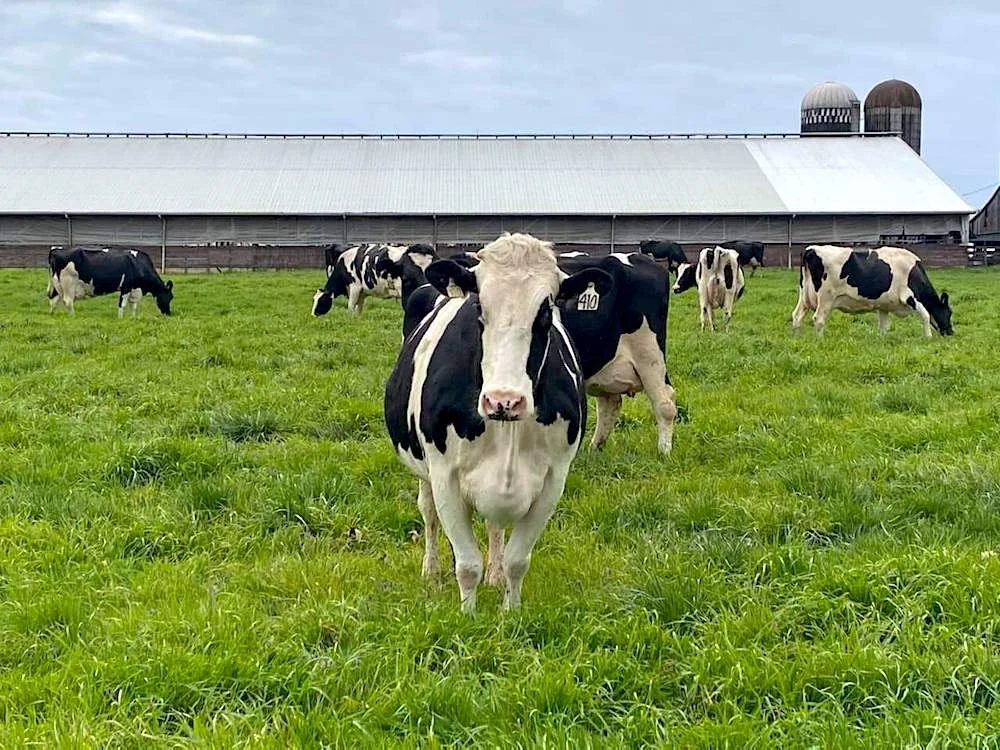
365 days a year, dairy farmers work to ensure their cows are taken care of and they are producing high-quality milk. Yet all grocery shoppers see are fully stocked shelves of milk, cheese, and yogurt (among other delicious dairy foods). They miss all the steps, decisions, and care that is taken to get to fully stocked dairy shelves. For many Americans, the picture of the black and white cow on their ice cream might be the closest they’ll ever come to meeting a cow.
As the landscape in our country shifts, a shrinking number of people are producing food in our country (2% of the population to be exact). This means fewer people have the privilege of referring to a trusted personal connection when they have questions about where their food comes from. People are relying on what the internet tells them or doesn’t tell them. And that creates opportunity—opportunities for doubt and confusion about where our foods come from.
Working as a dietitian and living as a human in the 21st century, I get the impression people (at no fault of their own) are overwhelmed with information and don’t know what to believe, especially when it comes to dairy foods. And while the body of science supporting dairy’s role in healthy eating patterns is very strong and accessible on the internet, the privilege of visiting a dairy farm or talking to a dairy farmer isn’t always. Let’s face it— you’re at a statistical disadvantage. That’s why the work our team at The Dairy Alliance does to connect health professionals and thought leaders with dairy farms is so crucial.
This National Nutrition Month, I encourage you to attend a virtual dairy farm tour to learn more about where your milk, cheese, and yogurt are coming from. Having brought thousands of people to a dairy farm through virtual farm tours—I know you won’t be disappointed. In the Southeast region alone, I have had the privilege of visiting numerous farms through both virtual and in-person visits, and I never walk away without learning something new.
If you need some extra inspiration, here are the top 3 things I learned this year working for dairy farmers.
Knowing Where Your Dairy Foods Come From
There are numerous paths dairy farms can take to achieve US Dairy’s goal of becoming carbon neutral by 2050. Prior to visiting Hillcrest farm this past fall (check out our virtual farm tour and earn a free CEU), I mistakenly assumed we needed methane digesters for a farm to be net zero. I don’t want to spoil it for you, but Hillcrest employs other methods to lead the charge when it comes to sustainability.
Not all methane digesters are the same. Most recently, I had the privilege of sharing a day with 5th generation dairy farmer, Jeremy Moyer, who farms in Amelia, VA. With a methane digester currently being built on the farm, they will be able to produce renewable gas from both food waste and manure. So, not only do dairy farmers divert food waste from entering landfills by incorporating it into their cows’ diet, they can now also use it to produce renewable energy.
The number of farms in the state of Virginia has decreased from 2,369 in 1992 to 760 in 2009 and now sits around 355 dairy farms in 2024. Yet, total milk production hasn’t changed that much. Meaning farms are consolidating and becoming much more efficient (fewer happier cows making more milk).
If you’re looking for something to feel good about this National Nutrition Month, attend a virtual dairy farm tour. You will be amazed at the role dairy farms play in contributing to a sustainable food system and gain a greater appreciation for the abundance of dairy foods available in our grocery stores.

Related Posts