When learning where milk comes from, discovering how cows are cared for, and seeing the many careers that support dairy farming, hands-on lessons can leave a lasting impression on students.
Across our region, dairy farmers, Extension educators, Farm Bureau staff, and youth organizations are helping bring agriculture into classrooms through interactive activities, engaging resources, and real-life experiences. They know that when learning is fun and relatable, students are more likely to remember it and share what they've learned with their families.
We asked several agriculture educators and dairy advocates to share the dairy lesson that gets students talking, how they make dairy relevant to young learners, and what advice they have for anyone interested in exploring the world of dairy. Plus, we're highlighting free classroom resources available throughout the year to help educators continue the conversation long after the lesson ends.
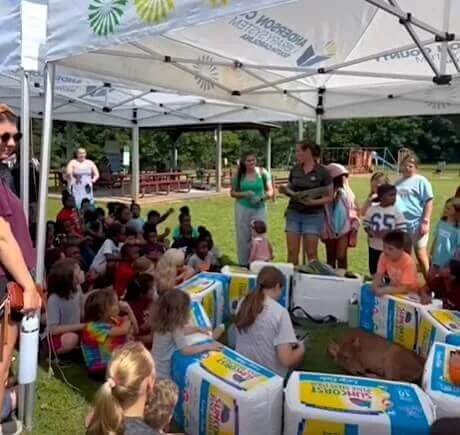
Milky Way Farm in Starr, SC
Milky Way Farm had a unique opportunity this summer to connect with families at Dairy Day events held at branches of the local public library. Kids and parents met a dairy calf from Milky Way Farm and learned what cows eat, the technology used on the farm, and how grass is turned into the glass of milk they enjoy. Farmer Iris also read the book “Tales of the Dairy Godmother” by Viola Butler to the group. Iris fielded a lot of questions about dairy calves and the steps involved in milk processing.
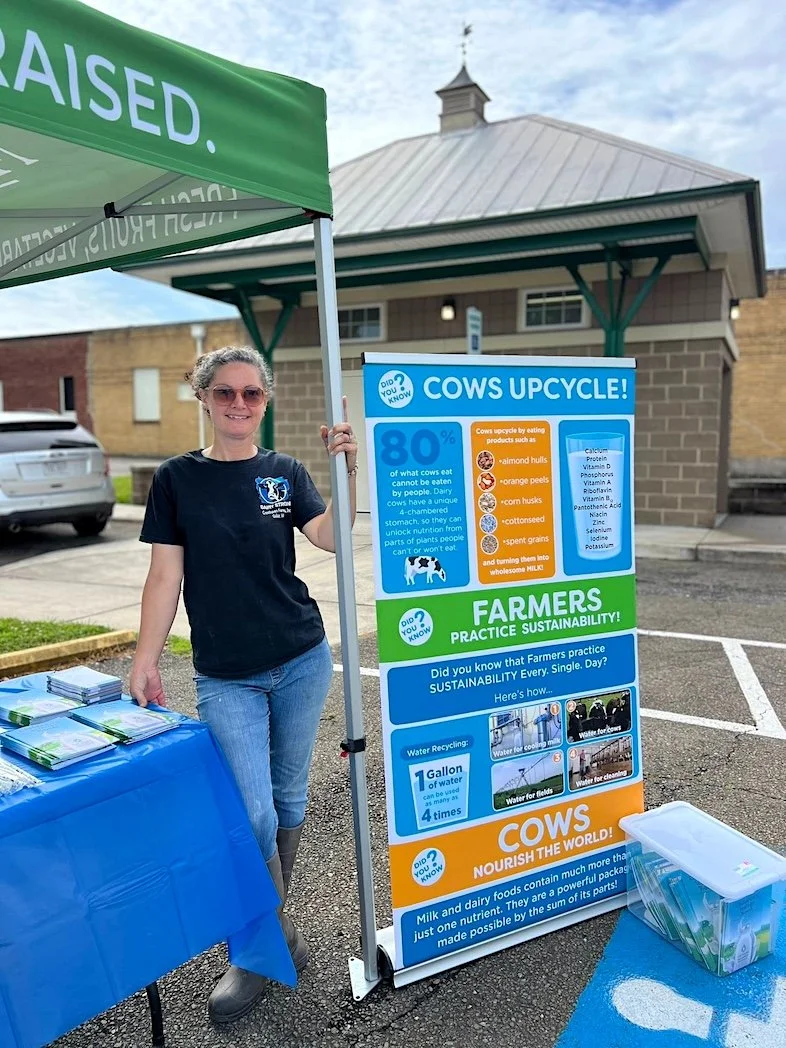
Cresthaven Farms in Galax, VA
Cresthaven Farms provides their local community with opportunities to learn about dairy. The farm hosts school and other tour groups and promotes dairy at local community events, like Dairy Day at their local Farmer’s Market. Farmer Sarah says people are always surprised to learn how much milk a cow can give in a day and how much work has to be done on a dairy every day. She likes to remind people to think about cows and farmers the next time they buy their favorite dairy products in the grocery store!
Dr. Jess Boone, Postdoctoral Associate in the Department of Agricultural Leadership, Education & Communication, College of Agricultural & Environmental Sciences, University of Georgia
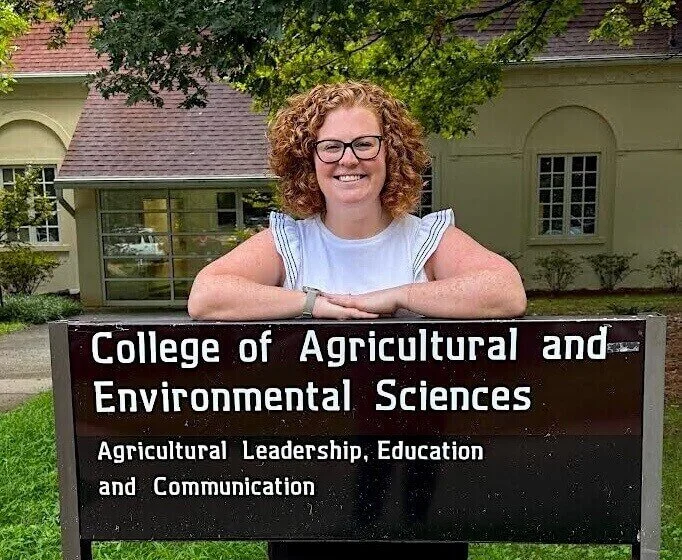
Dr. Jess Boone supports K-5 teachers through Georgia Farm Bureau's Agriculture in the Classroom (AITC) program. She believes the best way to make dairy relatable is to connect it to students' everyday lives. Nearly every child has eaten cheese on pizza, enjoyed ice cream, or poured milk over cereal. Starting with those familiar experiences helps students understand that dairy begins on a farm and involves many people before it reaches their table. Hands-on activities, storytelling, virtual and in-person farm experiences, and conversations with local farmers all help students see the real people behind their food.
As a former elementary teacher, Dr. Jess Boone is passionate about equipping educators with the knowledge, confidence, and resources they need to bring agriculture into their classrooms. While she now serves as a Postdoctoral Associate at the University of Georgia, her work centers on advancing Elementary Agricultural Education in Georgia. One way Dr. Boone supports K-5 teachers is through Georgia Farm Bureau's Agriculture in the Classroom (AITC) program.
"We provide professional development workshops that connect teachers with engaging agricultural experiences and classroom-ready resources. These workshops include farm tours, introductions to local Extension agents and agricultural businesses, and hands-on activities that help teachers make meaningful connections between agriculture and the standards they already teach.
Dairy education has been an important focus of several of our workshops. Teachers have had the opportunity to visit London Farms, where they learned about raising Holstein and Jersey dairy heifers, as well as Glo-Crest Dairy & Mountain Fresh Creamery, where they experienced dairy production from the farm to the finished product. These experiences help educators see firsthand how dairy production works so they can confidently share those stories with their students. We are also incredibly grateful to The Dairy Alliance, whose continued support has helped make these dairy workshops possible.
Ultimately, my passion is equipping elementary educators with the content knowledge, confidence, and resources needed to make learning relevant, engaging, and connected to the world around their students."
Dr. Liz Eckelkamp, Associate Professor and Dairy Extension Specialist at the University of Tennessee
The University of Tennessee and The Dairy Alliance work together to support many dairy youth activities, including a poster contest, Dairy Month Chairperson contest, Dairy Quizbowl, dairy Skillathon, farm days and the AgRoundup program. Dr. Eckelkamp’s favorite fun fact to teach kids is the 4 compartments of a dairy cow's stomach and all the foods they can upcycle!
At the University of Tennessee, we focus on youth through programs like 4-H and support others like FFA (Dairy judging, Dairy handling, and Dairy products contests). We will also do joint programs like farm or field days, Academic Conference, and AgRoundup to help our dairy kids grow and develop. We also partner with The Dairy Alliance every year to put on a poster contest and Dairy Month Chairperson contest during June to promote dairy throughout the state and provide more opportunities for youth.
Kids really like learning about the 4 compartments of a dairy cow's stomach and all the foods they can upcycle! We also usually talk about having to actually have a baby (calf) before cows can produce milk.
To make dairy relatable to students, I take a lot of things back to food, or things they may do with their pets or siblings. Several of our students come from a dairy background, so often it's talking about the differences between managing show animals and production animals.
Some advice I have for students or other educators who want to learn more about dairy is that extension has a lot of resources! We're always happy to talk to groups of students in person or over virtual platforms. Having time for people to answer questions and have a dialogue is one of the best ways to learn!
Related Posts