Tired of Eggs? High-Protein Dairy Foods Can Fill the Gap

Key Takeaways on High-Protein Dairy Foods:
Dairy = a complete protein alternative to eggs: Like eggs, high-protein dairy such as milk, Greek yogurt, and cheese provide all nine essential amino acids, plus casein and whey proteins for energy, satiety, and muscle recovery—making them versatile, nutrient-dense swaps.
Easy, protein-rich meal ideas without eggs: From Greek yogurt parfaits, cottage cheese toast, and pizza toast to casseroles, smoothies, and baked goods, dairy fits seamlessly into breakfast, lunch, and dinner with both flavor and functionality.
Practical benefits of choosing dairy foods: Dairy offers portability, affordability, and flexibility in cooking, with options like lactose-free milk for those with sensitivities—helping you break free from egg fatigue without sacrificing nutrition.
We get it: boiled eggs are easy, but so many delicious high-protein dairy foods offer the same, if not more, complete protein. They’re portable protein snacks that require minimal skill in the kitchen. But if your go-to snack is starting to feel more blah than breakfast club, it might be time to break things up (pun fully intended).
BREAKING (get it?) NEWS: Eggs aren’t the only tasty way to meet your protein goals. It’s time to switch things up with real dairy. Dairy foods like milk, yogurt, and cheese deliver the same high-quality protein, plus a whole lot more versatility and flavor. These dairy staples taste great and deliver the same high-quality protein your body needs. So whether you're looking to break free from your breakfast rut or just give eggs a day off, dairy’s got your back. From smoothies to savory bowls, dairy can do way more than you think, and it might just be the easiest egg swap you’ll ever make.
(And let's clarify this now, eggs still aren’t dairy, despite what the sign at the grocery store suggests.)
Are Eggs the Only Way to Get High-Quality Protein?
No, eggs aren’t the only source of high-quality protein.
Eggs have earned their stellar breakfast reputation. They’re quick, versatile, and provide complete protein. But if you’ve hit your personal limit on hard-boiled eggs or are dealing with price spikes or shortages, you’re not out of options.
Dairy foods like milk, Greek yogurt, and cheese also offer complete proteins, meaning they contain all nine essential amino acids your body can’t make on its own. That puts them in the same category as eggs when it comes to building muscle, feeling full longer, and fueling your day. Milk and other dairy products are satisfying alternatives that bring complete protein and their own versatility to the table.
What Makes a Protein “High-Quality”?
Not all proteins are created equal. When it comes to getting the most benefit from your meals, quality matters just as much as quantity. High-quality (or complete) proteins are made up of all the essential amino acids your body needs to grow, recover, and function.
Both eggs and dairy are complete proteins. That means when you make the switch, you're not sacrificing nutrition but expanding your high-quality protein options. Whether you’re chasing fitness goals or staying energized between meals, high-quality protein makes a big difference.
And for those with lactose intolerance, you don’t have to skip your 3 servings of dairy a day. Lactose-free milk is real milk with milk’s high-quality protein, just without the lactose that may cause discomfort.
Why Is Milk the Original Protein Drink?
Before there were protein powders and pre-workout shakes, there was milk. (And let’s call it out, many of those options contain casein and/or whey, which are found in milk. Why? Because whey is quickly absorbed, making it great for post-workout recovery, while casein digests more slowly, helping you stay full longer.)
Unlike eggs, dairy contains casein and whey. If you're used to grabbing a protein shake after a workout, milk and other dairy foods offer a whole-food alternative. Many exercise buffs praise chocolate milk as a recovery beverage, so give it a try! When you try dairy where you normally consume eggs, you’re expanding your protein type to support energy, satiety, and muscle recovery.
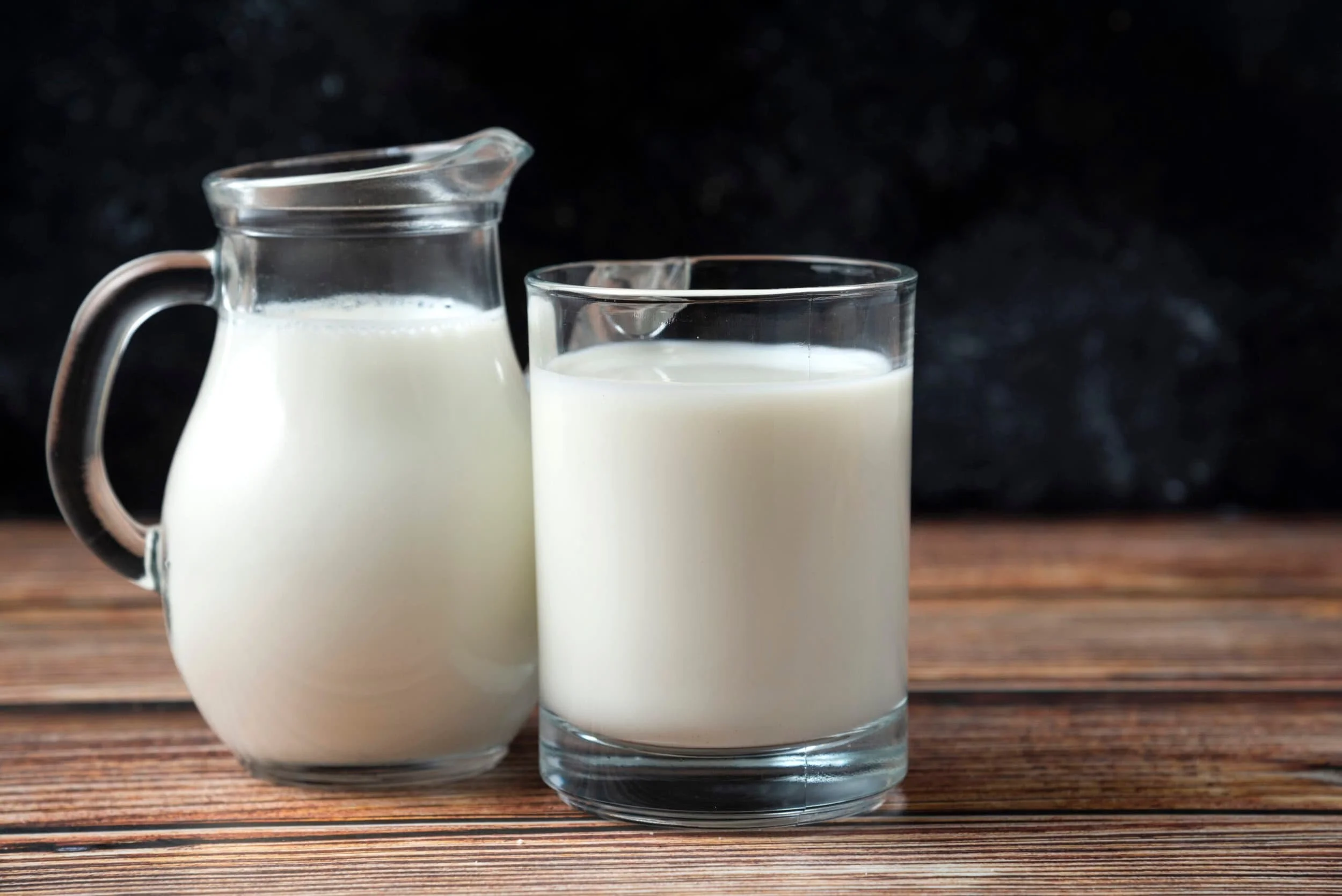
One 8-ounce glass delivers 8 grams of complete protein, so you can just pour and go.
Try these easy swaps when--
Baking: Sub in milk or Greek yogurt for added protein and moisture.
Making a casserole or quiche: Use cheese, milk, or cottage cheese to replace or reduce eggs while still keeping things creamy and satisfying.
Prepping pancake or waffle batter: Use Greek yogurt or ricotta for a boost of protein and richness.
How Much Protein Is in Common Dairy Foods?
Here’s how dairy can show up and show out in your meals:
Greek Yogurt (15–20g per cup)--Yogurt is creamy, tangy, and works well in everything from parfaits to dips. Use it in breakfast bowls or even baking.
Cottage Cheese (12g per ½ cup)--Cottage cheese is not just for your grandma’s diet in the ‘80s. Cottage cheese is great with toast, savory bowls, and as a blender base for dressings and dips.
Cheese (6–7g per ounce)--While the amount of protein varies according to the type, cheeses like mozzarella and cheddar add that melty texture and comforting flavor to pastas, quesadillas, and wraps.
What are Easy Meal Ideas Without Eggs That Use Dairy Foods?
Try these egg-free, dairy-focused meals:
Cheddar Drop Biscuits with Sausage Gravy with yogurt in the biscuit dough
Blue Lemon Cheesecake Cups with Greek yogurt and milk combining to create the no-bake base.
Creamy Balsamic Vinaigrette Dressing made with yogurt
PB&J Smoothie with milk, Greek yogurt, and peanut butter
Can You Really Swap Dairy Foods for Eggs in Cooking?
Yes, you can swap dairy for eggs in cooking, but there are some things to keep in mind:
Structure Matters: In baking, eggs help bind and lift. Greek yogurt, milk, or even ricotta can often stand in, but results may be softer or denser.
Watch Bake Times: Dairy-based swaps may brown faster, so check early.
Moisture Counts: Yogurt and ricotta add moisture, so you might need to tweak flour or baking powder slightly depending on the recipe.
Egg Wash Alternatives: In place of an egg wash, use milk or butter for golden tops on baked goods.
Milk, yogurt, and cheese provide high-quality protein that fits seamlessly into all kinds of meals, from breakfast to dinner.
Pro Tip: Keep shelf-stable or ultra-filtered milk in your pantry so you're never caught without a quality protein source when eggs run low.
Are Dairy Foods Worth Making the Swap?
Dairy delivers the same high-quality protein as eggs. Plus, it's versatile and often already in your fridge.
Switching up your protein routine doesn’t mean giving up the foods you love. Rather, it means adding more delicious options. Whether you’re trying to save money, add more variety, or simply avoid your 47th boiled egg this week, dairy foods like milk, yogurt, and cheese make easy, protein-rich swaps that work across all meals.
Stay tuned: we’ll be diving into trendy dairy recipes (like that 2-ingredient Greek yogurt dough) next.
Are you making the swap?
Key Takeaways:
Dairy = a complete protein alternative to eggs: Like eggs, high-protein dairy foods such as milk, Greek yogurt, and cheese provide all nine essential amino acids, plus casein and whey proteins for energy, satiety, and muscle recovery—making them versatile, nutrient-dense swaps.
Easy, protein-rich meal ideas without eggs: From Greek yogurt parfaits, cottage cheese toast, and pizza toast to casseroles, smoothies, and baked goods, dairy fits seamlessly into breakfast, lunch, and dinner with both flavor and functionality.
Practical benefits of choosing dairy foods: Dairy offers portability, affordability, and flexibility in cooking, with options like lactose-free milk for those with sensitivities—helping you break free from egg fatigue without sacrificing nutrition.
Related Posts