Benefits of Milk Protein vs. Egg Protein: Which is Better?

Are the benefits of milk protein greater or less than those of egg protein? Both are great, but only one of them comes in chocolate.
If you’re trying to up your protein intake without blowing your budget or choking down another chalky protein shake, you’re in the right place. Eggs have long been the breakfast MVP, but it might be time to look beyond the carton. It's time to grab real milk, the unsung protein hero already sitting in your fridge.
Sure, eggs have their place, but when it comes to quality protein, convenience, and a little nostalgia in a glass, milk might just be the overlooked all-star. (Especially when it’s chocolate.)
And yes, lactose-free milk counts, too. Let’s unpack why milk may be one of the simplest ways to help meet your daily protein needs and fuel your day.
Are Eggs the Only Way to Power Up?
Eggs are a classic breakfast go-to for a good reason. One large egg provides about 6 grams of complete protein, including all nine essential amino acids your body needs. Scrambled, fried, poached—they’re versatile, easy to prepare, and easy to enjoy.
But milk deserves its moment, too.
Benefits of Milk Protein: How Much Protein Is in Milk?
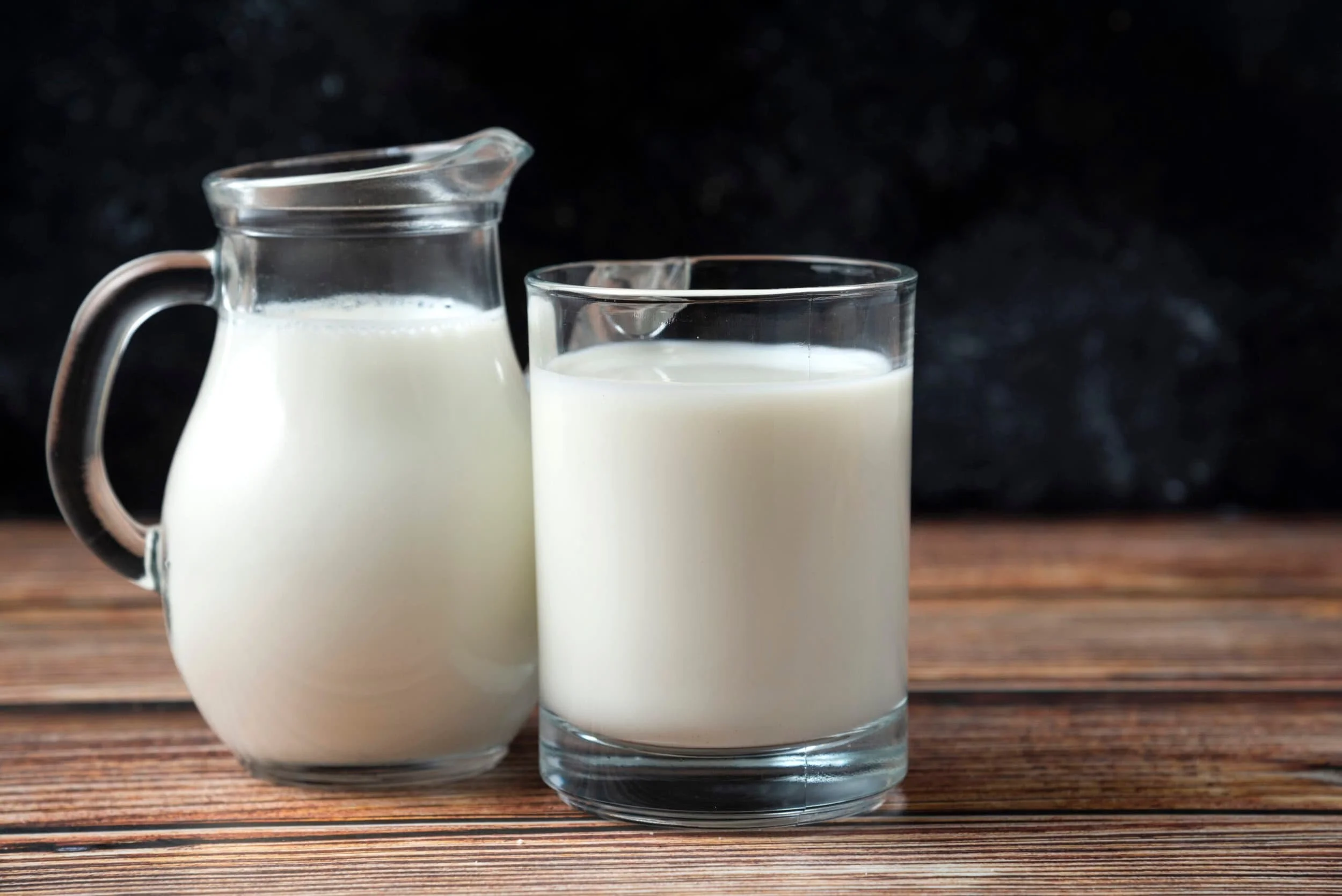
Every 8-ounce glass of milk provides 8 grams of complete, high-quality protein. That’s more than an egg, and there is no cracking required. It’s also widely available and affordable, making it an easy addition to meals and snacks throughout the day.
Real dairy milk offers:
8 grams of complete protein per 8-oz glass
All nine essential amino acids
A simple, nutritious option with no prep required
It’s like the original protein shake, just without the blender or added powders. And even better? Milk isn’t just for kids or cereal. It fuels your whole day:
Builds lean muscle
Helps you recover after workouts
Keeps you feeling full and focused
Supports hydration with natural electrolytes
What About Lactose-Free Milk?
If you are lactose-sensitive, don’t skip milk just yet.
Lactose-free milk is real dairy milk. It comes from cows and provides the same nutrients, including 8 grams of high-quality protein per serving, as regular milk. The only difference is the natural lactose (milk sugar) is broken down for easier digestion.
If traditional milk hasn’t worked for you in the past, lactose-free milk may be worth trying again. You’ll still get:
All 9 essential amino acids
Muscle-building benefits
Fuel for your day
That creamy taste you remember, just without the side effects
You can still drink real milk without sacrificing comfort or nutrition.
Does Chocolate Milk Have Protein, Too?
Yes! Chocolate milk provides the same 8 grams of high-quality protein per cup as white milk, with the added benefit of carbohydrates that can support post-exercise recovery. Chocolate milk has earned its spot as a post-exercise go-to for athletes and weekend warriors alike. Many athletes choose chocolate milk after a workout due to its approximate 3:1 carb-to-protein ratio, a combination that supports muscle recovery and glycogen replacement.
Chocolate milk tastes like a treat but works like a sports drink with 8 grams of complete protein per serving.
How Do I Add More Benefits of Milk Protein to My Day?
Drinking a glass is always a great start, but there are many simple ways to include milk’s high-quality protein in your routine:
Smoothies – Blend milk and Greek yogurt with fruit and nut butter
Overnight oats – Use milk instead of water
Soups and sauces – Add creaminess with milk in place of broth
Baking – Swap milk for water to add more nutrition to baked goods
Do you want more variety? Dairy foods like Greek yogurt (about 15–20g protein per cup) and cottage cheese (about 12g per ½ cup) can also help support your daily protein needs.
Milk vs. Alternatives: Not All Protein Is Created Equal
Milk naturally contains high-quality protein. Compared to plant proteins, proteins from milk are more complete, higher-quality and less processed.
Benefits of Milk Protein vs. Egg Protein: Who Comes Out on Top?
Both milk and eggs provide complete, high-quality protein, but milk brings a few unique advantages:
8 grams of complete protein per cup
No prep required
Built-in hydration (with electrolytes)
Available in lactose-free varieties
Chocolate milk options for post-exercise
Budget-friendly at about 25¢ per cup
Milk is keeping your protein routine simple and strong while giving you complete, high-quality protein to power through the day. And if lactose is a concern, real dairy still has your back with lactose-free options that don’t compromise on taste or nutrition.
Related Posts